Investing in Nigeria Q4 2026: Naira, Yields, and Opportunities

Investing in Nigeria Q4 2026: Naira, Yields, and Opportunities Nigeria’s investment landscape in the fourth quarter of 2026 presents opportunities alongside important risks. With changing monetary policy, attractive fixed-income yields and ongoing movements in the naira, investors are reconsidering where to put their money and how to protect its value. The important question is no longer simply where to invest, but which investments offer a reasonable balance between potential returns, risk and long-term value. 1. Understanding the Naira and the Investment Climate The naira remains an important consideration for anyone investing in Nigeria. At the end of October 2026, the exchange rate in the Nigerian Foreign Exchange Market (NFEM) stood at about ₦1,338.99 per US dollar. Currency movements affect the cost of imported construction materials, business operations, foreign investments and the purchasing power of savings. For investors, this makes diversification and careful financial planning particularly important. Rather than relying entirely on one asset or holding all savings in naira, it is worth considering how different investments respond to currency fluctuations. 2. Fixed-Income Investments: Are the Yields Still Attractive? Treasury bills and Federal Government bonds remain options for investors seeking more predictable income. At the 4 November 2026 Treasury-bill auction, the stop rates were: 91-day Treasury bill: 15.40% 182-day Treasury bill: 15.79% 364-day Treasury bill: 15.80% The Central Bank of Nigeria also reduced its Monetary Policy Rate to 23% in September 2026, signalling a shift in monetary policy. However, investors should remember that quoted yields are not the same as guaranteed personal returns. Tax, purchase price, fees, holding period and inflation can affect actual outcomes. 3. Real Estate: Investing in Tangible Assets Real estate remains an important investment consideration for Nigerians looking to build long-term wealth. Unlike short-term financial instruments, property investment can offer potential value appreciation, rental income and opportunities for development. However, returns depend heavily on location, purchase price, infrastructure, demand and proper property management. Before investing, buyers should verify ownership documents, investigate the property’s legal status, assess the surrounding area and understand all associated costs. A property should not be considered a good investment simply because its asking price is expected to increase. Its actual value depends on demand, usability and the quality of the investment decision. 4. Other Opportunities Worth Considering Beyond property and fixed-income investments, investors may also explore: Equities: Shares in listed Nigerian companies can provide exposure to business growth, dividends and capital appreciation, although prices can fluctuate. Business investment: Agriculture, technology, logistics, manufacturing and essential services may offer opportunities for investors who understand the sector. Diversified portfolios: Combining different asset classes can help reduce dependence on a single market or investment outcome. Every opportunity requires research, an understanding of the risks and a clear investment timeframe. 5. What Should Investors Consider Before Investing? Before committing funds in Q4 2026, consider these important questions: What is my investment goal: income, capital appreciation or wealth preservation? How quickly might I need access to my money? Can the expected return keep pace with inflation? Have I verified the investment, its ownership or the organisation offering it? What could happen if the market or exchange rate moves against me? Avoid investing based solely on social media trends, promises of unusually high returns or pressure to make immediate payments. Final Thoughts Nigeria’s Q4 2026 investment environment offers several possibilities, from Treasury bills and bonds to equities, business ventures and real estate. However, no investment is completely free from risk. The strongest investment decisions come from understanding the market, verifying opportunities and matching investments to personal financial goals. At Petik Limited, we believe that informed property decisions and quality development are important parts of building lasting value. Whether you are considering property ownership or exploring real estate opportunities, proper research and professional guidance should come first. Petik Limited — Building value. Creating possibilities. Most Recent Posts All Posts Architectural Design Best Builders building with purpose Client Stories Concrete works Nigeria Construction construction craftsmanship Construction Education construction Nigeria Eco-friendly construction Green building Nigeria Hot House for Rent inclusive building design Land For Sale Marketing Plan New Buildings News Petik Projects Project Management Property Property Investment quality construction company Nigeria Real Estate Real Estate Updates Structural Engineering Structural steel Nigeria Sustainable Building Sustainable building Nigeria Sustainable Growth & Shortlet ROI Trust & Transparency Trusted builders Nigeria Investing in Nigeria Q4 2026: Naira, Yields, and Opportunities Dangote Refinery Fuel Price Cuts For Q4: What Developers and Property Owners Need to Know Diaspora Guide: How to Buy Property in Nigeria with Confidence Categories Architectural Design (12) Best Builders (29) building with purpose (17) Client Stories (1) Concrete works Nigeria (14) Construction (26) construction craftsmanship (9) Construction Education (1) construction Nigeria (10) Eco-friendly construction (2) Green building Nigeria (1) Hot (4) House for Rent (1) inclusive building design (1) Land For Sale (4) Marketing Plan (1) New Buildings (4) News (2) Petik Projects (20) Project Management (1) Property (4) Property Investment (6) quality construction company Nigeria (2) Real Estate (4) Real Estate Updates (1) Structural Engineering (1) Structural steel Nigeria (3) Sustainable Building (1) Sustainable building Nigeria (2) Sustainable Growth & Shortlet ROI (1) Trust & Transparency (1) Trusted builders Nigeria (5) Uncategorized (4) Tags Age Friendly Design building contractor building contractor Lagos Building Failures Nigeria Building Regulations Building Responsibly in Nigeria Building Safety building stages Buy Property in Nigeria From Abroad Civil Works client testimonial construction company Construction Costs Nigeria construction experience construction Nigeria construction process Construction Quality CORBON Damp Proofing Dangote IPO Dangote Refinery Diaspora Property Investment Diaspora Real Estate diaspora real estate Nigeria Drainage Systems Election 2027 fast construction FGN Bonds foundation casting Foundation First Fuel Price Changes Green Construction house building guide house building Nigeria Inclusive Building Investing in Nigeria Investment in Nigeria Investment Property Lagos Land Title Verification Multi Unit Development Naira Exchange Rate Nigeria Construction Nigeria Economy 2026 Nigeria Property Market Nigerian Investors Nigerian Real Estate Petik Petik Builds Petik Limited Project Management property development Property Investment Nigeria Property Management Property Verification Q4 2026 Construction Budget Quality Control Real Estate real estate development Nigeria Real Estate Due Diligence Real Estate Investment Real Estate Market Real Estate Nigeria Registered Builders Reinforced Concrete reliable builders Site Mobilization stress free building Structural Engineering Structural

Investing in Nigeria Q4 2026: Naira, Yields, and Opportunities Read More »

Dangote Refinery Fuel Price Cuts For Q4: What You Need to Know

Dangote Refinery Fuel Price Cuts For Q4: What Developers and Property Owners Need to Know

Dangote Refinery Fuel Price Cuts For Q4: What Developers and Property Owners Need to Know Changes in fuel prices can have a significant effect on Nigeria’s construction and property sectors. From transporting building materials to operating generators and construction equipment, fuel remains an important part of project expenditure. Recent price adjustments by Dangote Refinery have brought renewed attention to the relationship between domestic fuel prices, business operating costs and construction budgets. For Nigerian developers and property owners, the final quarter of 2026 presents an opportunity to review project expenses, reassess outstanding commitments and plan maintenance activities more carefully. However, one important point should be understood: a reduction in fuel prices does not automatically translate into cheaper construction. Material prices, exchange rates, labour costs, transportation charges and supplier pricing decisions also influence the final cost of a project. So, what should developers and property owners review before finalising their Q4 budgets? 1. Review Your Fuel and Energy Expenses Fuel affects several activities on a construction site and within residential or commercial properties. Diesel and petrol may be required for generators, water pumps, concrete mixers, machinery, security operations and other essential equipment. Start by reviewing how much your project or property spends on fuel each month. Consider: Average monthly petrol and diesel consumption. Generator operating hours. Fuel requirements for construction equipment. Transportation and site mobilisation expenses. Electricity alternatives and backup power arrangements. Compare your previous fuel expenditure with current supplier quotations rather than assuming that every price adjustment has already reached the retail market. A realistic energy budget should reflect the actual prices available to your project. 2. Reassess Transportation and Material Delivery Costs Fuel prices can influence the cost of moving construction materials from suppliers to project sites. Cement, sand, granite, blocks, steel and finishing materials all require transportation at different stages of construction. If fuel costs decline, developers may be able to negotiate more competitive delivery charges. However, logistics providers may not immediately reduce their rates because vehicle maintenance, road conditions, labour and other operating expenses remain relevant. For Q4, review: Supplier delivery charges. Haulage and truck mobilisation fees. Distance between suppliers and project locations. Number of deliveries required. Opportunities to consolidate material orders. Additional charges for difficult site access. Request updated quotations from suppliers and transport providers. Compare them with existing agreements before adjusting your project budget. 3. Update Your Building Materials Budget Fuel is only one part of construction expenditure. The prices of cement, reinforcement bars, sand, granite, roofing materials, electrical fittings and finishing products can change independently of petrol and diesel prices. A September 2026 report by The Guardian highlighted rising construction material costs linked to poor road conditions, logistics challenges and distribution bottlenecks. The report noted that cement and several other materials had become more expensive despite differences in the movement of individual product prices. This means developers should not assume that lower fuel costs will immediately reduce material prices. For your Q4 budget: Request updated prices for major materials. Compare quotations from multiple suppliers. Confirm whether quoted prices include transportation. Identify materials that may require early procurement. Check product specifications and quality before accepting cheaper alternatives. Review quantities against the current construction drawings and bill of quantities. The objective is to control expenditure without compromising the building’s quality and safety. 4. Review Labour and Contractor Agreements Construction budgets can also be affected by labour charges, contractor agreements and project timelines. Changes in fuel prices may affect some operating expenses, but they do not automatically reduce skilled labour costs or existing contractual obligations. Before making adjustments, review your agreements with contractors, artisans, equipment operators and other service providers. Check: Outstanding contractor payments. Agreed labour rates. Project milestones and completion dates. Additional costs caused by delays. Equipment hire and operating charges. Responsibilities for material transportation. Where an agreement needs adjustment, discuss the changes with the relevant parties and document any revised terms. Clear agreements help prevent misunderstandings and make project expenses easier to monitor. 5. Prioritise Outstanding Construction Work The final quarter of the year is an important period for developers working towards project completion or preparing properties for occupation. Rather than spending indiscriminately, review the outstanding work and identify what must be completed before the end of December. Your priority list may include: Structural and roofing works. Plumbing and electrical installations. Waterproofing and drainage. Doors, windows and finishing. External works and access roads. Safety inspections and necessary approvals. Separate essential work from improvements that can reasonably wait until another phase. This lets you allocate available funds to activities that protect the building, meet project requirements, and move construction toward completion. 6. Prepare a Property Maintenance Budget Property owners should also use Q4 to review their buildings’ condition and plan maintenance activities. Regular maintenance can help identify problems before they develop into more expensive repairs. Inspect: Roofs and ceiling conditions. Drainage channels and gutters. Water supply and plumbing systems. Electrical installations. Generators and backup power systems. Security equipment. External walls and visible structural concerns. Where defects are identified, engage qualified professionals to assess and recommend appropriate repairs. For landlords and property managers, planned maintenance can also help reduce unexpected disruptions for occupants and tenants. 7. Create a Contingency Fund Even a carefully prepared construction budget can be affected by unexpected expenses. Supplier price changes, equipment breakdowns, material shortages, weather conditions and project delays can all create additional financial pressure. Developers should therefore include a contingency allowance in their Q4 budgets. This fund should be based on the project’s size, complexity, remaining work and exposure to cost uncertainty. Avoid using the contingency fund for routine expenses that should already be included in the original budget. A clearly managed reserve provides additional flexibility when unforeseen issues arise. 8. Review Your Q4 2026 Construction Budget Checklist Before committing to new expenses, use this checklist to review your project’s financial position. Fuel and Energy Reviewed current petrol and diesel prices. Calculated monthly fuel consumption. Assessed generator and equipment operating expenses. Obtained updated energy supply quotations. Materials and Logistics Requested updated

Dangote Refinery Fuel Price Cuts For Q4: What Developers and Property Owners Need to Know Read More »

Diaspora Guide: How to Buy Property in Nigeria with Confidence

Diaspora Guide: How to Buy Property in Nigeria with Confidence

Diaspora Guide: How to Buy Property in Nigeria with Confidence For many Nigerians living abroad, buying property back home represents an opportunity to build long-term wealth, secure a future residence or create an additional source of income. However, managing a property transaction from another country can be challenging when you cannot easily visit the site, meet the seller or inspect the documentation in person. Distance makes proper verification even more important. Attractive photographs, persuasive sales messages, and promises of rapid appreciation aren’t enough to prove a property is legitimate or suited to your investment goals. Before sending a single dollar, pound or euro home, take time to verify the seller, investigate the property, understand the transaction terms and obtain independent professional advice. Here is a practical checklist to help diaspora buyers invest in property in Nigeria more safely. 1. Verify the Seller’s Identity and Authority One of the first steps is confirming who is selling the property and whether that person or organisation has the legal authority to do so. Do not rely solely on a social media profile, business card, website or WhatsApp conversation. Before proceeding: Request the seller’s full identity and relevant business details. Establish whether the seller is the owner, an authorised representative or a property developer. If an agent is involved, independently confirm their relationship with the owner. Request evidence of the seller’s authority to sell the specific property. Be cautious if the seller pressures you to pay immediately. Where a company is involved, independently verify its registration details through the appropriate official channels. Remember that company registration alone does not prove ownership of a particular property. 2. Request and Independently Verify the Property Documents Property documentation is a critical part of the buying process. However, receiving a document is not the same as confirming that it is genuine, valid or sufficient for the transaction. Depending on the property and its location, documents may include a Certificate of Occupancy, a registered deed, a survey plan, a Governor’s Consent where applicable, or other relevant title and transaction records. The documents required will depend on the property’s ownership history and legal circumstances. Before committing funds: Request copies of the available title documents. Engage an independent Nigerian property lawyer to review them. Verify the relevant title records with the appropriate land registry or government authority. Check for possible competing claims, encumbrances, acquisition issues or restrictions. Confirm that the seller has the legal right to transfer the interest being offered. Avoid relying exclusively on documents supplied by the seller or on assurances that verification can be completed after payment. 3. Arrange an Independent Property Inspection Buying from abroad does not mean you must rely entirely on the seller’s photographs or videos. Arrange a physical inspection through a trusted representative who is acting in your interest. Where appropriate, engage a qualified surveyor or other relevant professional to assess the property. During the inspection, confirm: The property’s actual location and boundaries. Whether the plot or building matches the information provided. Access roads and surrounding development. Drainage, flood exposure and visible environmental concerns. Existing utilities and infrastructure. Whether the property appears occupied or subject to a dispute. For land purchases, ensure that the plot being offered can be identified accurately on the ground and reconciled with the relevant survey and documentation. A virtual tour can help you understand the property, but it should not replace independent verification. 4. Confirm the Total Cost Before Sending Money The advertised price may not represent the full amount required to complete a purchase. Ask for a written breakdown of the total acquisition cost, including applicable legal fees, documentation charges, taxes, agency fees, survey costs and any estate or infrastructure charges. If the property is being sold under a payment plan, request clear written terms covering: The initial deposit. Instalment amounts and due dates. The consequences of late or missed payments. Refund and cancellation conditions. The timing of allocation and documentation. Any additional charges that may arise. Make sure you understand the payment arrangement before signing or transferring funds. If the terms are unclear, ask your lawyer for clarification before proceeding. 5. Use Traceable Payment Channels Payment security is especially important when the buyer and seller are in different countries. Avoid sending substantial sums to personal accounts without independently confirming the recipient’s authority and the reason for the payment. Before transferring funds: Confirm the recipient’s identity and payment instructions independently. Ensure the payment arrangement matches the written agreement. Use a traceable payment method through an appropriate financial institution. Keep transfer confirmations, receipts and correspondence. Confirm in writing how each payment will be acknowledged and recorded. Be cautious if the recipient suddenly changes bank details, requests payment to an unrelated third party, or insists on an urgent transfer before you complete verification. Never assume that a payment receipt, by itself, establishes ownership of the property. 6. Confirm Allocation and Completion Documents For land purchases, payment should not end your verification process. Understand exactly what you are purchasing and what evidence you should receive at each stage of the transaction. Where applicable, confirm the plot allocation, boundaries, transaction documents and any remaining steps required to perfect or register the relevant interest. For completed buildings, clarify what documents establish the transaction and what additional approvals or records are required. Ask your lawyer to explain which documents should be provided immediately, which require further processing and what obligations remain outstanding. Keep secure copies of all agreements, receipts, title documents, inspection reports and official correspondence. 7. Investigate the Location and Investment Potential A property can have genuine documentation and still be a poor investment for your needs. Before buying, evaluate the location independently. Consider accessibility, infrastructure, local demand, environmental conditions and the property’s suitability for your intended use. If you plan to rent it out, research achievable rental income, vacancy risk, management expenses and maintenance costs. If you intend to build, investigate planning requirements, development costs and the availability of essential infrastructure. Do not rely solely on projected appreciation or promises that

Diaspora Guide: How to Buy Property in Nigeria with Confidence Read More »

Nigeria’s Property Market Ahead of Election 2027 Expectations

Nigeria’s Property Market Ahead of Election 2027 Expectations As Nigeria approaches the 2027 general elections, investors are watching factors that could influence property values, construction costs, rental demand, and development opportunities. Election seasons often raise questions about economic policy, infrastructure spending, investor confidence, and the naira’s direction. For property investors, these questions matter because real estate decisions typically involve substantial capital, long-term commitments and risks that cannot always be reversed quickly. However, the smartest investment decisions are not necessarily those driven by political predictions. They are based on location, demand, affordability, infrastructure, documentation and the potential of a property to serve a real market need. So, where should investors focus as they plan for 2027? 1. Residential Properties That Meet Real Housing Needs Housing remains a fundamental need, creating opportunities for investors who understand what people can afford and where they want to live. Instead of focusing exclusively on expensive luxury developments, investors can assess properties designed for professionals, families, growing households, and other clearly defined tenant groups. The key is to match the property to the demand in its immediate location. Before investing, consider: The number and type of potential tenants in the area. Rental prices for comparable properties. Accessibility to workplaces, schools, healthcare and transport. The purchasing power of the target market. The cost of maintaining and managing the property. A property that serves a clearly identified market may offer a more defensible investment case than one purchased primarily because of its appearance or prestige. 2. Growth Corridors With Verifiable Infrastructure Infrastructure can influence property demand by improving accessibility, connecting communities to economic activity and making previously difficult locations more practical for residential or commercial development. For investors, the opportunity lies in identifying locations where infrastructure improvements align with genuine demand. In Lagos, for example, investors may examine established residential markets and developing corridors around Lekki, the Lekki–Epe axis and other areas connected to employment, commerce and transport networks. But a developing location is not automatically a profitable investment. Before committing funds, investigate: The actual condition of access roads. Existing electricity, water and drainage infrastructure. Distance to employment and commercial centres. The status of announced infrastructure projects. Flood exposure and environmental conditions. Land title, planning restrictions and permitted land use. Don’t pay a premium simply because a major road, port, or new development has been announced. Confirm what exists, what is under construction and what remains a proposal. 3. Land Investment With Strong Due Diligence Land remains an option for investors seeking to acquire property for future development or long-term holding. However, a plot’s potential depends on much more than its advertised price. Location, legal status, physical condition, access, and intended use all affect its suitability. During election season, investors should be especially careful when making decisions based on rumours of government projects, anticipated rezoning, or promises of rapid appreciation. Before buying land, ensure that you: Verify the title: Have a qualified property lawyer independently review the relevant documents. Inspect the site: Confirm the actual location, boundaries, access and surrounding conditions. Check planning restrictions: Investigate applicable land-use rules, acquisition issues and development approvals. Calculate the full cost: Include documentation, professional fees, infrastructure and other applicable charges. Document the transaction: Keep agreements, receipts, payment records and allocation documents. Land can be part of a long-term investment strategy, but it may generate no income while you hold it. Investors should consider holding costs, liquidity and the possibility that expected appreciation may not materialise. 4. Income-Generating Properties Over Speculative Promises For investors who want more than potential future appreciation, rental properties and professionally managed shortlets may be worth evaluating. These investments can generate income when they meet genuine demand and are operated effectively. However, their performance depends on more than the property’s purchase price. For long-term rentals, examine local tenant demand, achievable rent, vacancy periods and maintenance costs. For shortlets, assess occupancy, nightly rates, seasonality, furnishing expenses, utilities, cleaning, platform charges and professional management fees. A useful starting point is to estimate the net operating income rather than relying on gross rental revenue. Net operating income = Rental income − Operating expenses When evaluating overall return, also account for purchase costs, financing, taxes (where applicable), and major repairs. The goal is not simply to own a property that looks valuable. It is to understand how the property is expected to perform financially and what could affect that performance. 5. Construction and Development Opportunities Built Around Cost Control Property investment is not limited to buying completed buildings or holding land. Investors may also explore development opportunities where demand is evident and a realistic path to completion exists. However, construction costs remain an important consideration. Recent reporting from Nigeria’s property sector has highlighted pressures from land prices, materials, labour, infrastructure and financing. These costs can affect both developers’ margins and the final prices buyers pay. For anyone considering a development project, a sound investment assessment should include: A realistic project budget. Professional architectural and engineering designs. A detailed bill of quantities. Material procurement and labour planning. Applicable approvals and regulatory requirements. Construction supervision and quality control. A contingency allowance for unexpected costs. Cutting corners to meet an unrealistic budget can lead to defects, delays and additional expenses. A well-planned project is better positioned to manage costs while protecting the building’s quality and long-term usability. 6. How the 2027 Election Season Could Influence Property Decisions Elections can influence investor sentiment, expectations about public spending and perceptions of economic stability. But predicting the direction and scale of any effect on property prices is difficult. Some buyers may delay major commitments while waiting for clearer policy. Others may continue investing where they see strong underlying demand or have sufficient capital to support a long-term strategy. Investors should therefore distinguish between political headlines and measurable market conditions. Consider three questions: Will the property meet a real need? A home, rental apartment or commercial space should have a clear target market. Investment decisions are harder to justify when demand depends mainly on speculation. Can the investment withstand

Nigeria’s Property Market Ahead of Election 2027 Expectations Read More »

Building Responsibly in Nigeria: The Importance of Compliance

Building Responsibly in Nigeria: The Importance of Compliance Building construction is about more than putting up walls, installing a roof, or finishing a project on budget. Every building must be designed, constructed and maintained with safety, quality and long-term performance in mind. Recent building collapses in Lagos, followed by orders to demolish distressed buildings, have renewed attention on the importance of responsible construction practices. At the same time, the Council of Registered Builders of Nigeria (CORBON) inducted 436 builders while reaffirming its zero-tolerance position on unethical construction practices. These developments highlight an important message for property owners, developers, contractors and investors: building responsibly is not optional. It is fundamental to protecting lives, property and public confidence. 1. Building Safety Must Come First A building may look attractive on the outside, but its appearance does not necessarily reflect its structural condition. A building’s safety depends on several factors, including proper design, suitable materials, competent workmanship, appropriate supervision, and compliance with applicable building requirements. When these elements are neglected, the consequences can extend beyond financial losses. Building failures can cause injuries, fatalities, displacement and damage to surrounding properties. For developers and property owners, safety must therefore remain a priority from the earliest planning stages through construction and final handover. 2. Quality Construction Begins Before Work Starts Responsible construction begins before the first block is laid. It begins with proper planning and professional preparation. Before construction starts, developers should ensure that the project has appropriate designs, realistic budgets, suitable specifications and a clear construction plan. Important considerations include: Professional design: Engage appropriately qualified professionals to prepare and review the relevant building designs. Site assessment: Understand the ground conditions, drainage requirements and other site-specific considerations. Material selection: Use materials that meet the project specifications and applicable quality standards. Construction planning: Establish a realistic programme for labour, materials, inspections and quality checks. Technical coordination: Ensure that the relevant professionals work together to address design and construction requirements. Taking these steps early can help reduce avoidable errors, costly rework and risks that may compromise the finished building. 3. Why Registered Builders Matter Construction projects require technical knowledge, practical experience and a clear understanding of professional responsibilities. Registered builders have an important role in coordinating construction activities, managing workmanship, monitoring quality and ensuring that work follows approved plans and specifications. Working with appropriately registered and qualified professionals can help property owners make more informed decisions about who delivers their projects. Before appointing a builder, clients should verify the person’s relevant registration, qualifications and experience. They should also establish clear responsibilities, contractual terms, reporting arrangements and quality-control procedures. CORBON’s induction of 436 builders reinforces the importance of professional recognition and accountability within Nigeria’s building industry. Its stated zero-tolerance position on unethical construction also highlights the need for integrity in professional practice. Registration alone, however, should not replace project-specific supervision, regulatory approvals or independent verification where required. 4. Compliance Is Part of Responsible Development Building regulations and approval processes exist to support safe and orderly development. Treating compliance as an inconvenience can expose developers and property owners to serious risks. Depending on the project and location, responsible development may require planning approval, appropriate building permits, professionally prepared designs, inspections and compliance with applicable building codes and standards. Developers should confirm the specific requirements with the relevant authorities before commencing work. They should also ensure that construction follows the approved designs and that significant changes are reviewed and authorized through the appropriate process. Compliance is not simply about obtaining documents. It is about ensuring that the building is developed according to the requirements intended to protect occupants, neighbours and the wider community. 5. Material Quality and Workmanship Cannot Be Compromised A construction budget should account for quality rather than encourage shortcuts that undermine safety. Using unsuitable materials, ignoring technical specifications or allowing poorly executed work to continue can create defects that become expensive to correct later. Responsible builders should implement quality-control procedures throughout the construction process. These may include checking delivered materials, monitoring concrete works, inspecting reinforcement before concrete placement and carrying out appropriate tests when specified. Workmanship should also be inspected at key stages, rather than leaving every quality check until the project is nearly complete. For developers, the objective should be to deliver buildings that meet the required standards, not simply structures that appear finished. 6. Construction Speed Must Never Replace Construction Quality Fast project delivery can be valuable. It can reduce delays, improve planning and help owners put completed properties to use sooner. However, speed should come from efficient coordination, timely procurement, skilled labour and disciplined project management—not from skipping essential procedures. Concrete curing requirements, structural inspections, material testing and other technical processes must be observed according to the relevant specifications and professional guidance. A realistic construction schedule should allow the necessary work to be completed properly. The goal is not merely to finish quickly. It is to deliver a safe, durable building within an achievable timeframe. 7. Developers and Property Owners Share Responsibility Although builders and other construction professionals have defined responsibilities, property owners and developers also influence the quality of a project through their decisions. Choosing contractors solely because they offer the lowest price, demanding unrealistic deadlines or approving undocumented changes can create pressure that undermines proper construction practices. Property owners can support better outcomes by: Appointing qualified professionals with relevant experience. Confirming that required approvals are in place. Agreeing on clear specifications and contractual responsibilities. Allowing adequate time for construction and inspections. Requesting progress reports and quality-control records. Addressing defects and safety concerns promptly. Keeping project documents and approvals properly organized. Responsible development is a collaborative effort that requires accountability from everyone involved. 8. How Petik Limited Approaches Responsible Construction At Petik Limited, construction should be viewed as a commitment to quality, coordination and long-term value. A well-managed project requires attention to planning, material procurement, workmanship, supervision and the requirements that apply to the development. These elements help create a more reliable construction process and support better outcomes for property owners and investors.

Building Responsibly in Nigeria: The Importance of Compliance Read More »

When Rent Hits ₦10 Million: Debunking Customer Service Myths

When Rent Hits ₦10 Million: Debunking Customer Service Myths When rent reaches ₦10 million, ₦15 million, or more, the conversation often focuses on the size of the apartment, the location, the finishing, and the facilities. But another part of the property experience can be just as important: service. A beautiful property can lose its appeal when maintenance requests are ignored, communication is poor, or residents struggle to get help when something goes wrong. In premium property markets such as Lagos, customers are not simply paying for physical space. They are also paying for convenience, reliability, responsiveness and the experience that comes with living in or using the property. Yet several misconceptions continue to shape how property owners and managers think about customer service. Here are five common customer service myths in Lagos property. Myth 1: “If the Property Is Beautiful, Customer Service Doesn’t Matter” A well-designed property can attract a customer. But the experience after the customer moves in can determine whether they remain satisfied. Imagine moving into a beautifully finished apartment only to discover that: Maintenance requests take days to receive a response. Common areas are poorly maintained. Security concerns are not addressed promptly. Communication from management is inconsistent. Basic facilities repeatedly develop problems. The building may be impressive, but poor service can quickly change the customer’s perception. The property gets the customer through the door. Service helps determine what happens next. Myth 2: “Customer Service Means Being Available 24/7” Being available does not necessarily mean providing good service. Customer service is not simply about answering calls at any hour. It means having a reliable process for responding to issues, communicating clearly, and resolving problems appropriately. A professional property operation should have clear channels for residents or customers to raise concerns and understand how those concerns will be handled. Responsiveness matters, but so does consistency. Myth 3: “Tenants Only Care About the Apartment” The apartment itself is obviously important. But a resident’s experience extends beyond the four walls of their unit. They may interact with: Facility management Security personnel Maintenance teams Estate management Cleaning staff Administrative staff Service providers The condition of shared spaces, the reliability of facilities and the quality of communication can all influence how residents experience a property. This means property management is not only about maintaining buildings. It is also about managing the experience around the building. Myth 4: “Complaints Are a Problem” Complaints can certainly indicate that something has gone wrong. But they can also reveal something valuable: where the service needs improvement. A resident who reports a recurring maintenance issue is giving management information that can help identify a wider problem. Instead of simply asking: “How do we stop people from complaining?” Property managers should also ask: “What is this complaint telling us about the service?” A properly handled complaint can even strengthen trust when the customer sees the issue acknowledged and addressed. Myth 5: “Premium Rent Means Premium Service Automatically” This may be one of the biggest misconceptions. A high rental price does not automatically produce a high-quality customer experience. Premium service has to be designed, managed and maintained. It can involve: Prompt communication Preventive maintenance Reliable facility management Clear processes Professional staff Security Clean common areas Transparent communication Timely resolution of problems In other words, premium service is an operational commitment, not simply a price tag. What Customers Are Really Paying For When someone pays a significant amount to live in a property, their expectations often extend beyond the physical structure. They expect the property to function. They expect issues to be handled professionally. They expect communication to be clear. They expect shared spaces and facilities to be properly managed. And they expect the overall experience to justify the cost. That is why service can become part of the product itself. Service Is Part of Property Value Property value is often discussed in terms of: Location + Design + Facilities + Finishing But in professionally managed properties, another factor deserves attention: Experience. A property that is well-maintained, professionally managed and responsive to its occupants can create a very different experience from a property where management ends once the keys are handed over. This is especially important in competitive property markets where customers have increasing expectations. How Property Managers Can Improve Customer Experience Good customer service does not necessarily require complicated systems. It starts with clear fundamentals: 1. Create clear communication channels Residents should know where to report maintenance issues or concerns. 2. Respond promptly Even when you can’t resolve an issue immediately, acknowledging the request and providing an update can make a difference. 3. Prioritise preventive maintenance Don’t wait for everything to break before taking action. 4. Train property staff The people interacting with residents are part of the property’s brand. 5. Keep residents informed Communication should not happen only when something has gone wrong. Conclusion When rent reaches ₦10 million, the customer is not simply paying for square metres, walls and fittings. They are paying for an overall property experience. A beautiful building may attract attention, but reliable service, professional management and consistent maintenance help turn a property into a place people are happy to live in. In Lagos’s increasingly competitive property market, don’t treat service as an afterthought. It is part of the product. The building is what you see. The service is what you experience Most Recent Posts All Posts African Culture Architectural Design Best Builders building with purpose Client Stories Concrete works Nigeria Construction construction craftsmanship Construction Education construction Nigeria Eco-friendly construction Green building Nigeria Heritage Travel Hot House for Rent House for sale inclusive building design Insider Land For Sale Marketing Plan New Buildings News Petik Projects Project Management Property Property Investment quality construction company Nigeria Real Estate Real Estate Updates Structural Engineering Structural steel Nigeria Sustainable Building Sustainable building Nigeria Sustainable Growth & Shortlet ROI Test Category Trust & Transparency Trusted builders Nigeria When Rent Hits ₦10 Million: Debunking Customer Service Myths Shares or Property? What the Dangote IPO Means for Investors Flood-Resilient Buildings in

When Rent Hits ₦10 Million: Debunking Customer Service Myths Read More »

Shares or Property What the Dangote IPO Means for Investors

Shares or Property? What the Dangote IPO Means for Investors

Shares or Property? What the Dangote IPO Means for Investors The Dangote IPO has renewed conversations about investment opportunities in Nigeria and what it means to invest in shares of a major Nigerian company. For investors, however, the conversation goes beyond one particular public offering. It raises a broader question: Should your money go into shares, land, or property? Shares and real estate are different asset classes with different risks, liquidity, income potential, time horizons, and responsibilities. Rather than asking which investment is automatically better, investors should consider what they are buying, what risks they are taking, how long they intend to hold the investment, and what role it plays in their overall financial plan. For the Nigerian real estate market, this conversation provides an opportunity to look more closely at how investors should approach property. SHARES AND PROPERTY ARE DIFFERENT INVESTMENTS Buying shares means purchasing an ownership interest in a company. An investor may potentially benefit from an increase in share value and, where declared, dividends. Real estate works differently. When you buy land or property, you acquire a physical asset that you can potentially develop, occupy, rent, sell, or hold for future use. Land may generate no regular income while you hold it, while a completed rental property can generate rental income. At the same time, property ownership involves considerations such as title, location, development costs, maintenance, infrastructure, and liquidity. This means you shouldn’t compare shares and property by asking which one will make more money. WHAT THE DANGOTE IPO CONVERSATION TEACHES INVESTORS The renewed interest in the Dangote IPO highlights several investment principles that also apply to real estate. 1. UNDERSTAND WHAT YOU ARE BUYING Before investing in shares, investors need to understand the company, offer terms, financial information, risks, and other relevant information. Real estate requires the same discipline. Before buying land or property, investors should understand: Who owns the property The title and documentation The exact location Survey information Existing encumbrances Development plans Infrastructure Payment obligations Resale considerations Don’t buy a property just because someone says it will appreciate. 2. DUE DILIGENCE SHOULD COME BEFORE PAYMENT An attractive property presentation does not replace proper verification. For real estate buyers, due diligence may involve legal checks, survey verification, ownership confirmation, government acquisition checks, physical inspection, and careful review of transaction documents. This becomes particularly important when purchasing land for long-term investment. The objective is not simply to find a property that looks attractive today, but to understand exactly what you are buying and the conditions attached to it. 3. LIQUIDITY MATTERS Another important difference between shares and property is liquidity. Shares traded on a functioning market can potentially be bought or sold, subject to market conditions and liquidity. Property is different. Selling land or a building can require finding a buyer, negotiating a price, preparing documentation, and completing the necessary transaction processes. Investors should therefore consider when they may need access to their money before committing capital. 4. LOCATION MATTERS IN REAL ESTATE A share represents an interest in a business. Land is tied to a specific physical location. This makes location one of the most important considerations in real estate. Investors should consider: Road accessibility Infrastructure development Nearby commercial activity Population growth Housing demand Drainage and environmental conditions Availability of utilities Planning and development regulations Infrastructure can influence accessibility and development activity, but it does not guarantee that every property in an area will appreciate. You still need to assess each property on its own merits. 5. LOOK BEYOND THE PURCHASE PRICE An attractive entry price matters, but investors should look beyond the initial purchase price. For real estate, the total investment may include: Purchase Price + Legal Fees + Documentation + Survey + Development Costs + Maintenance = Total Investment Cost This matters especially when comparing undeveloped land with completed property. A plot of land may require years of holding before development creates additional value, while a completed property may require more capital but potentially generate rental income. LAND CAN PLAY A LONG-TERM ROLE For some investors, land is primarily a long-term asset. Investors can acquire it for future development, family use, resale, or other strategic purposes. However, land should not automatically be described as a guaranteed wealth-building asset. Its performance can depend on factors including location, title, infrastructure, demand, purchase price, development activity, and holding period. This is why proper research matters more than simply buying because an area is being promoted as “the next big thing.” PROPERTY CAN OFFER USE AND INCOME Completed property can serve several purposes. A residential property may be used as a family home. It may also be rented to tenants, operated as a short-let where appropriate, or eventually sold. This creates a different investment profile from simply holding vacant land. However, income-producing property also comes with responsibilities, including maintenance, vacancy periods, repairs, management costs, and other operating expenses. Potential rental income should therefore be assessed against the full cost of owning and managing the property. DIVERSIFICATION MAY MATTER MORE THAN THE DEBATE The shares-versus-property discussion can make investing sound like a choice between two competing options. It doesn’t have to be. Depending on an investor’s financial circumstances, objectives, available capital, risk tolerance, and investment horizon, different asset classes can serve different purposes. The more useful question may be: What role should each investment play in my overall financial plan? For one investor, shares may provide exposure to businesses and financial markets. For another, land may form part of a long-term property strategy. Another investor may have exposure to both financial assets and real estate. WHAT THIS MEANS FOR NIGERIAN PROPERTY INVESTORS The Dangote IPO conversation reminds us that investment decisions should be based on information rather than excitement. Whether you are considering shares or real estate, ask: What am I buying? What risks am I taking? How long can I hold it? How easily can I access my money? What additional costs are involved? What evidence supports the investment case? Have I independently verified the transaction?

Shares or Property? What the Dangote IPO Means for Investors Read More »

Flood-Resilient Buildings in Nigeria: Why Smart Design Matters

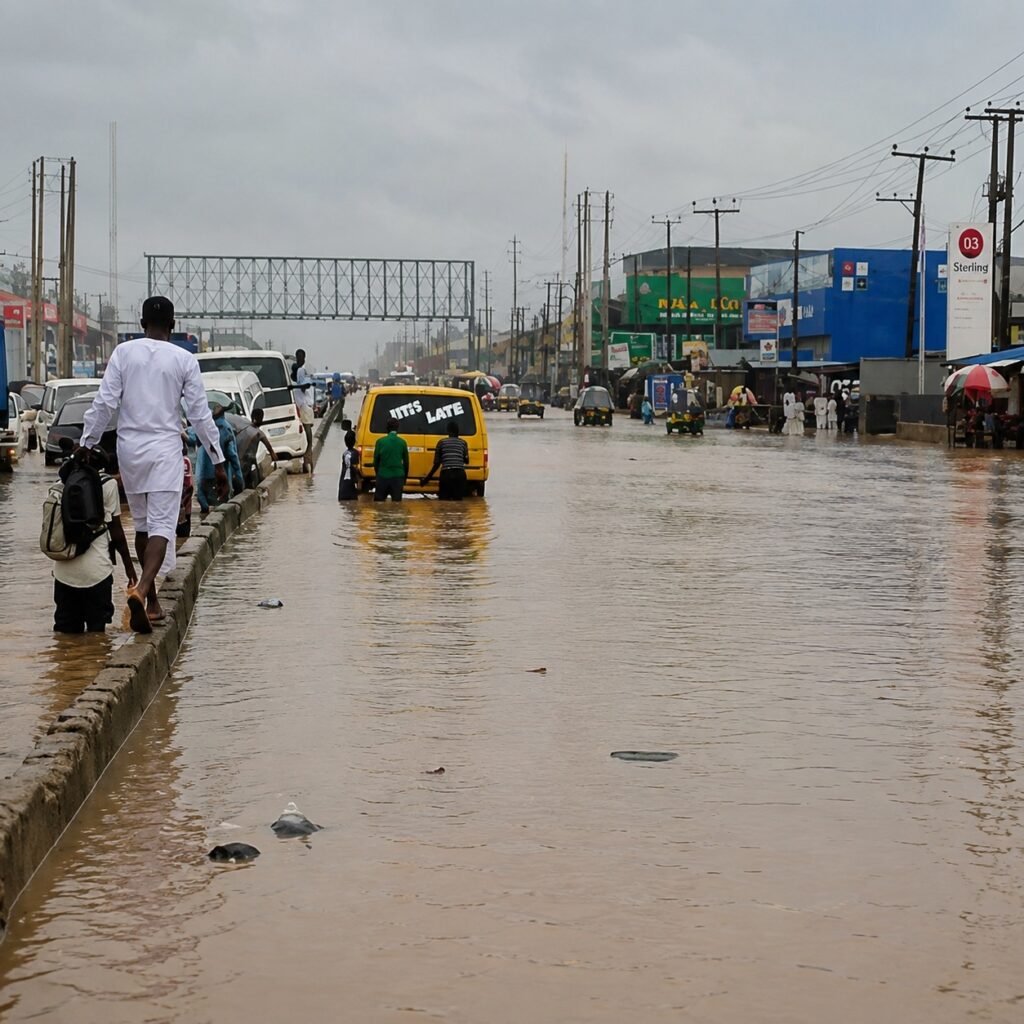
Flood-Resilient Buildings in Nigeria: Why Smart Design Matters Nigeria’s latest flood warnings should not be viewed only as an emergency-management issue. They should also be viewed as a construction and real estate issue. On September 21, 2026, the Lagos State Government advised residents in identified flood-prone and low-lying communities to move to safer, elevated areas following a fresh seven-day flood alert from the Nigeria Hydrological Services Agency (NiHSA). The advisory covers September 19–25 and includes Lagos among the affected states. This comes after repeated flood-risk warnings throughout the 2026 rainy season. NEMA reported in September that NIHSA had identified 14,118 communities across 266 LGAs in 33 states and the FCT as being at high risk of flooding in 2026. The message for Nigeria’s property industry is becoming increasingly difficult to ignore: We cannot continue designing buildings only for today’s conditions. Buildings must be designed with the realities of flooding, heat, unreliable power and changing environmental conditions in mind. For Petik Limited, this is part of a larger question about the future of construction in Nigeria: Are we simply building more, or are we building better? Flood Risk Is a Building Design Issue People often discuss flooding in terms of rainfall, drainage channels, and emergency response. But a building’s design and location can determine how severely flooding affects it. A poorly positioned or poorly designed building may experience: Water entering living spaces Damage to electrical installations Deterioration of walls and finishes Damage to foundations and external works Loss of household and commercial assets Disruption of business operations Expensive repairs and maintenance Flood resilience therefore needs to be considered before construction begins, not after the first major flood. What Does a Flood-Resilient Building Look Like? Flood resilience does not mean constructing a building that can withstand any flood under any circumstances. It means designing and developing a property with its specific site conditions and flood risks in mind. 1. Start With the Site One of the most important decisions happens before designing the foundation. Developers should understand: Site elevation Drainage patterns Soil conditions Flood history Nearby waterways Existing drainage infrastructure Natural water flow Proposed surrounding development Flood-risk information should be part of the development decision, not an afterthought. Nigeria’s hydrological authorities now provide flood forecasting and risk-monitoring tools intended to support preparedness and planning. 2. Consider Building Elevation Where site conditions require it, raising occupied floor levels can provide an additional layer of protection against floodwater. Elevated buildings or appropriately raised plinths can reduce the likelihood of water entering living and working spaces. Flood-adaptation guidance also identifies elevated buildings and raised floor levels as potential measures for reducing flood exposure. Qualified professionals should always determine the appropriate solution based on the site’s actual conditions. 3. Design Drainage as Part of the Building A building does not exist in isolation. Its drainage system needs to work with the surrounding site. Good development planning should consider: Roof drainage → Surface runoff → Site drainage → Estate drainage → Natural or approved discharge routes Blocked, undersized, or poorly connected drainage can turn heavy rainfall into a property emergency. Sustainable site planning can also incorporate permeable surfaces, landscaped areas and appropriate stormwater management where suitable. The objective is simple: Control water before it becomes a building problem. 4. Protect Critical Building Systems Position and protect electrical installations, generators, pumps, control systems, and other critical infrastructure according to the site’s flood risk. Where appropriate, locate sensitive equipment above expected flood levels or otherwise protect it from water exposure. This is particularly important for commercial properties, residential estates, healthcare facilities, hospitality properties, and other buildings where prolonged service interruption can create high costs. Energy Efficiency Is the Other Half of the Equation Flood resilience is only one part of future-ready construction. Nigeria also needs buildings that use energy more intelligently. Power costs, generator dependence and cooling requirements make energy efficiency an increasingly important consideration for property owners. Nigeria has a national Building Energy Efficiency Code (BEEC), which aims to establish minimum requirements for building energy efficiency and their implementation and enforcement. The World Bank’s building-code database also identifies Nigeria’s Building Energy Efficiency Code as a national building energy code, with provisions covering cooling, lighting, and passive design. Energy-smart construction therefore isn’t simply about installing solar panels. It begins with the building itself. What Is an Energy-Smart Building? An energy-smart building is designed to reduce unnecessary energy use while maintaining a comfortable, functional indoor environment. That can involve several strategies. Natural Ventilation: Good orientation and well-placed openings can encourage natural airflow and reduce reliance on mechanical cooling when outdoor conditions permit. Nigeria’s building requirements already address natural light and ventilation, while energy-efficiency guidance emphasizes climate-adaptive design. Better Shading: External shading can reduce direct solar heat entering the building. This can reduce the cooling load placed on air-conditioning systems. Efficient Windows and Building Envelope: Windows, roofs, walls and insulation all influence how much heat enters or leaves a building. Energy-efficiency guidance for Nigeria identifies elements such as fenestration, shading, roofs, lighting and air-conditioning as important areas for improving building performance. Natural Daylight: A well-designed building can use daylight more effectively, reducing the need for artificial lighting during daylight hours. Efficient Cooling: Air-conditioning remains important in Nigeria’s hot, humid conditions, but efficient equipment, appropriate sizing, and good building design can reduce unnecessary consumption. Solar Power Should Complement Good Design Solar energy plays an important role in Nigeria’s future buildings. But installing solar panels on an inefficient building does not automatically make that building energy-smart. The better approach is: Reduce energy demand → Improve building efficiency → Add renewable energy → Manage consumption intelligently Research on energy-efficient building design in Southern Nigeria has demonstrated the potential of combining passive design strategies with solar energy systems to reduce building energy demand and improve overall energy performance. This approach can help reduce dependence on generators and grid electricity while improving resilience during power interruptions. Flood Resilience + Energy Efficiency = Better Long-Term Value These two ideas are often discussed separately. They shouldn’t be.

Flood-Resilient Buildings in Nigeria: Why Smart Design Matters Read More »

Enugu Building Collapse 2026: A Call for Stronger Regulations

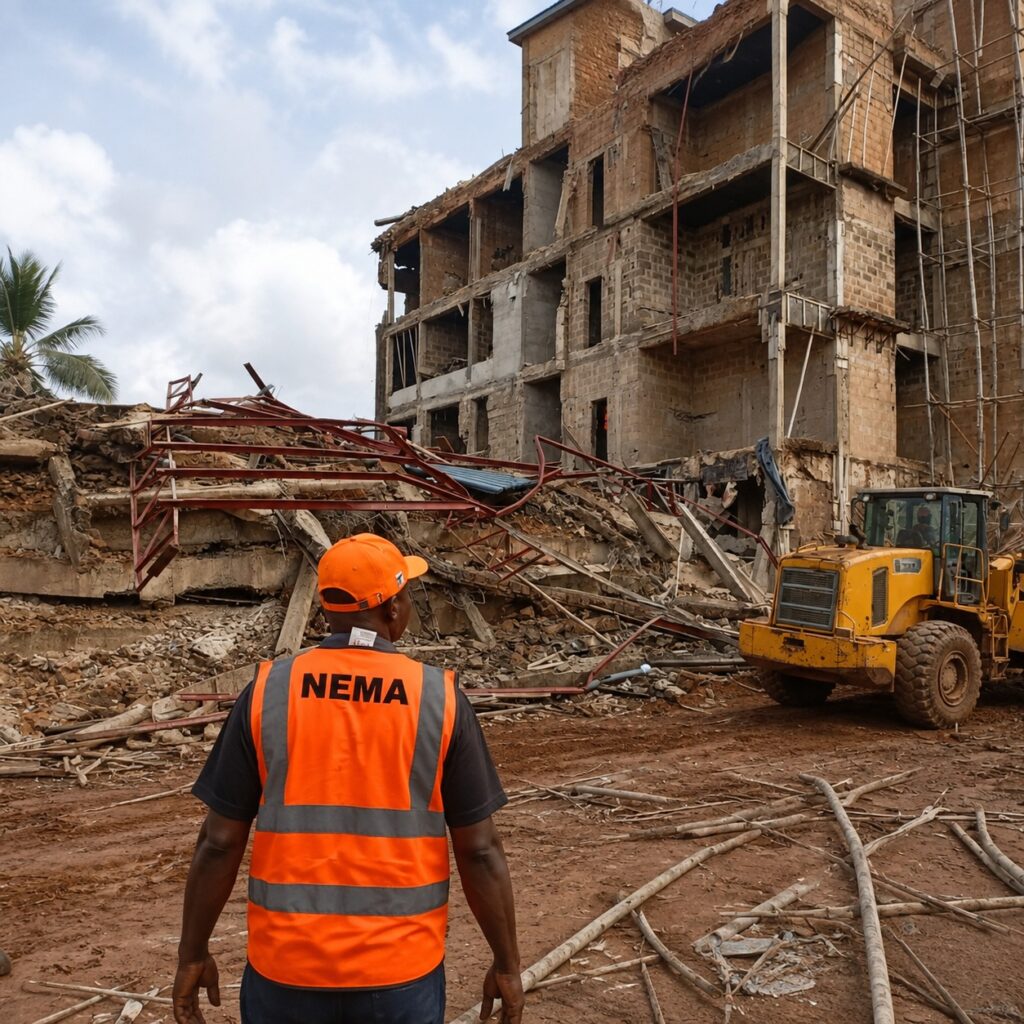
Enugu Building Collapse 2026: A Call for Stronger Regulations Another building collapse in Nigeria has brought the country’s construction safety standards back into the spotlight. On 13 September 2026, a four-storey building under construction in Independence Layout, Enugu, collapsed. Reports indicate workers were on site when the structure collapsed in the morning. Four people were rescued, while one body was recovered, according to Channels Television. Rescue and emergency agencies, including NEMA, the Red Cross, SEMA, the Enugu State Capital Territory Development Authority and the police, were involved in the response. The precise cause of the collapse has not yet been established publicly, and investigations are underway. But the incident raises a much bigger question: Why do building failures continue to occur when Nigeria already has building standards, professional requirements and regulatory approval processes? The Real Problem Is Bigger Than One Collapsed Building It would be premature to assign responsibility for the Enugu collapse before the investigation is completed. However, the incident comes against a broader background of concerns about construction practices in Nigeria. Earlier in March 2026, the Nigerian Institute of Building (NIOB) warned about the increasing number of building collapses and linked many investigated cases to factors including poor construction management, substandard materials, inadequate professional supervision and the involvement of unqualified personnel. This means the conversation should not end when the rubble is cleared. The industry needs to examine how buildings are designed, approved, constructed, supervised and inspected. Four Areas That Demand Greater Attention 1. Building Approval Must Mean More Than Paperwork Obtaining approval for a building plan is an important part of construction, but approval should not be treated as the end of regulatory responsibility. A building needs to remain compliant throughout construction. Research examining building regulation in Enugu found weaknesses in local planning authorities’ ability to properly scrutinize drawings and monitor compliance during construction. The study identified inadequate staffing, insufficient professional involvement and weak enforcement as important issues. The lesson is straightforward: Approval alone is not enough. 2. Professional Supervision Cannot Be Optional Construction is a coordinated technical process. Architects, structural engineers, builders, quantity surveyors, geotechnical professionals and other relevant specialists each have important roles to play. The involvement of qualified professionals helps ensure that: Structural designs are properly developed. Materials meet specified standards. Construction follows approved drawings. Foundation decisions reflect site conditions. Structural elements are properly executed. Problems are identified before they become failures. Cutting professional supervision may reduce costs in the short term, but getting construction wrong can have catastrophic consequences. 3. Material Quality Matters A building is only as reliable as the materials and workmanship used to construct it. Cement, reinforcement steel, concrete aggregates, blocks and other materials must meet appropriate specifications and be used correctly. A 2026 study examining building collapse cases in Nigeria identified substandard construction materials as the largest reported category among the causes examined, followed by failures in geotechnical investigation and poor or non-professional design. The study also identified inadequate supervision, poor workmanship and non-compliance with building regulations among contributing factors. This reinforces an important principle: Construction quality should never be sacrificed for short-term savings. 4. Enforcement Must Happen Before Disaster Perhaps the most important question is not simply: “Who is responsible after a building collapses?” It should be: “What could have been detected before the collapse?” Effective enforcement should identify unsafe construction while a project is still in progress. That means regulatory authorities need adequate technical personnel, effective inspection systems and the willingness to stop work where serious violations are discovered. Research on Enugu’s planning authorities has previously found gaps in site monitoring and enforcement of building regulations. Building Safety Starts Before the Foundation Preventing building collapse requires a process that begins long before pouring concrete. Before Construction A responsible project should involve: Proper architectural and structural design Appropriate soil/geotechnical investigation Relevant statutory approvals Qualified professionals Proper construction specifications Realistic project planning During Construction There should be: Professional supervision Quality material control Compliance with approved drawings Proper reinforcement detailing Correct concrete practices Regular inspections Proper documentation of construction activities Before Occupancy The completed structure should undergo the necessary inspections, tests and certifications required by the relevant authorities and professionals. The Cost of Cutting Corners Construction shortcuts can appear financially attractive. Using cheaper materials, reducing professional supervision, or ignoring required procedures may initially reduce project expenditure. But the cost of failure can be enormous. A building collapse can result in: Loss of life → Property destruction → Financial loss → Legal consequences → Displacement → Loss of public confidence No construction saving is worth that price. What the Enugu Collapse Should Teach Us The 2026 Enugu incident should not become another headline that disappears after the rescue operation ends. It should become an opportunity to ask difficult but necessary questions about Nigeria’s construction industry. Are approved building plans being followed? Are qualified professionals genuinely supervising construction? Are materials being tested and properly specified? Are site inspections frequent and effective? Are unsafe projects being stopped before they become disasters? And when violations occur, are sanctions strong enough to discourage repetition? These questions require answers from developers, contractors, professionals, and regulatory authorities alike. A Safer Construction Industry Requires Shared Responsibility Government agencies must enforce regulations. Professionals must uphold technical standards. Developers must fund projects properly and engage qualified experts. Contractors must execute work according to approved specifications. Property owners have a responsibility to avoid compromising safety to save money. Building safety is therefore not the responsibility of one person or institution. It is a shared responsibility. Conclusion The Enugu building collapse of September 2026 is a painful reminder that construction safety cannot be treated casually. While investigations will determine the specific circumstances of this collapse, the broader industry must keep addressing the issues repeatedly linked to building failures in Nigeria: poor materials, inadequate supervision, weak compliance, poor workmanship, and ineffective enforcement. Nigeria does not lack building regulations. The greater challenge is ensuring that those standards are consistently followed, monitored and enforced. Every building project represents more than concrete, steel and blocks. It represents people’s lives, investments and

Enugu Building Collapse 2026: A Call for Stronger Regulations Read More »

How to Build a Home in Nigeria Without Overspending on Cement

How to Build a Home in Nigeria Without Breaking the Bank Amid Rising Cement Costs

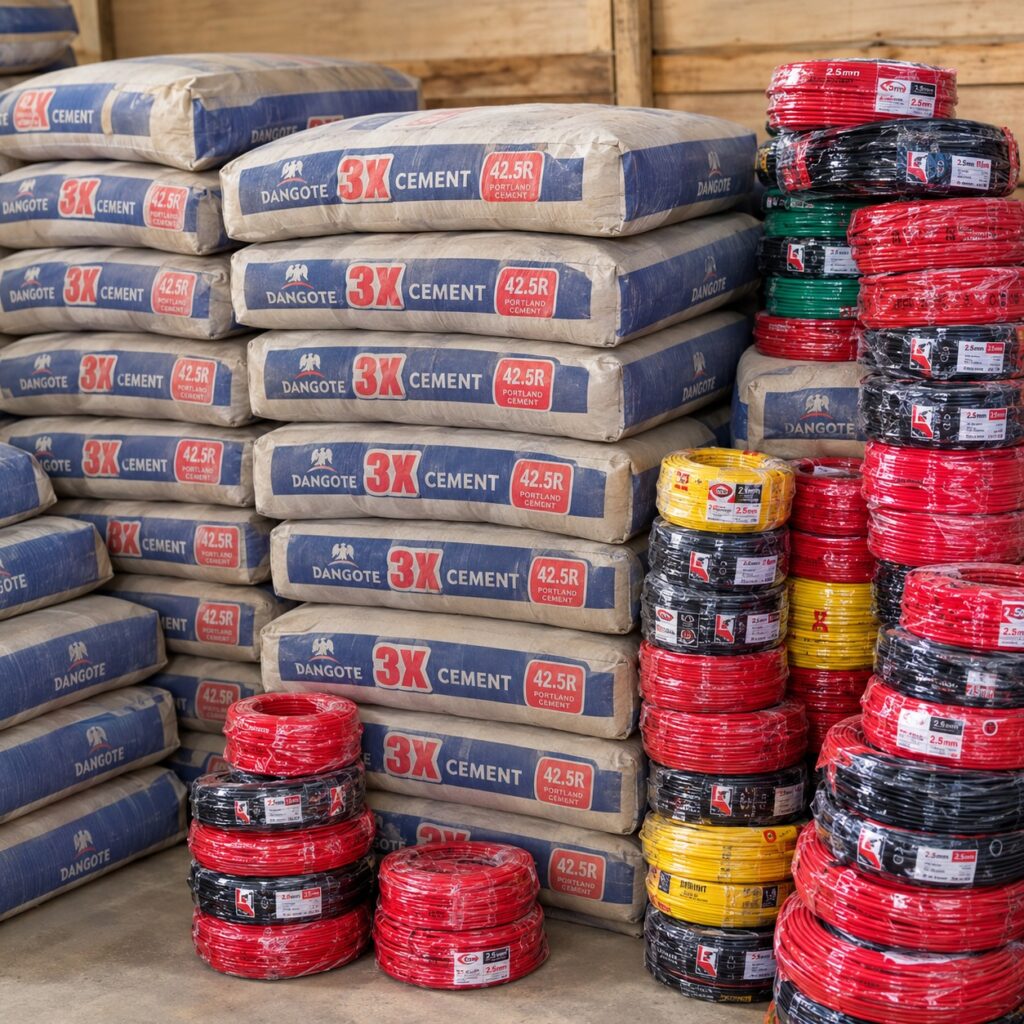
How to Build a Home in Nigeria Without Breaking the Bank Amid Rising Cement Costs Building a home in Nigeria has become increasingly difficult for many families. The cost of land, labour, roofing materials, reinforcement steel, plumbing fittings, electrical components, transportation, and finishing materials continues to place pressure on construction budgets. However, one material has become the clearest symbol of the affordability crisis: cement. In several Nigerian cities, the price of a 50kg bag of cement has been reported at between ₦12,500 and ₦15,000, with some locations recording prices above ₦15,000. The Federal Competition and Consumer Protection Commission has also opened an industry-wide investigation into possible price manipulation, citing concerns about Nigeria’s comparatively high cement prices despite its large production capacity and reported surplus over domestic demand. (FCCPC) The price difference becomes more striking when compared with other African markets. Recent reports place the price of a 50kg bag at approximately ₦6,000–₦7,000 in South Africa, ₦4,000–₦5,000 in Egypt, ₦6,500–₦7,500 in Kenya, and ₦7,000–₦8,000 in Ghana. These figures vary according to exchange rates, location, transport, taxes, brand, and market conditions, but they illustrate the pressure Nigerian builders are currently facing. (ANNAHDA) For anyone planning to build, the answer is not to abandon the project or compromise the strength of the structure. The better approach is to build more intelligently through efficient design, responsible material selection, careful purchasing, strong supervision, and a realistic phased construction plan. Why Rising Cement Prices Affect the Entire Building Process Cement is used in many parts of a typical building project. It is required for concrete, foundations, columns, beams, slabs, block production, plastering, screeding, tiling, drainage works, and several other construction activities. This means that a price increase does not affect only one line in the budget. It can raise the cost of multiple stages simultaneously. For example, a homeowner may experience higher expenses during: Foundation construction Floor slabs Reinforced concrete works Blockwork Rendering and plastering External drainage Walkways and paved areas Fence construction Repairs and corrections The effect is especially serious when the building design uses excessive concrete, has a large number of internal walls, includes unnecessary structural complexity, or is poorly coordinated before construction begins. A project that is not properly planned may also waste cement through inaccurate measurements, poor storage, rejected work, unnecessary breakages, and repeated construction corrections. When cement is expensive, every bag wasted becomes a direct cost to the homeowner. Start With an Efficient Building Design One of the most effective ways to reduce construction costs is to make better decisions before work begins. A well-designed house is not necessarily the one with the most rooms, the largest floor area, or the most complicated roof. It is a building that uses space effectively, responds to the site, and delivers the required comfort without unnecessary structural and material demands. An efficient design can help reduce cement consumption by: Limiting unnecessary wall divisions Reducing complicated roof forms Avoiding excessive projections and cantilevers Using practical room dimensions Grouping wet areas such as kitchens and bathrooms Reducing unnecessary changes in floor levels Creating a compact building footprint Coordinating structural and architectural drawings When bathrooms, kitchens, and utility spaces are positioned close to one another, plumbing routes can become shorter and more economical. A simpler building shape can also reduce the amount of foundation, blockwork, concrete, roofing, and external finishing required. This does not mean every home should look the same. It means the design should be intentional. Every extra corner, wall, level change, balcony, and decorative feature should have a clear purpose and should be considered against its additional cost. Avoid Building More House Than You Can Afford Many homeowners begin with an ambitious design but an unrealistic budget. The result is often a stalled project, incomplete finishing, or pressure to reduce quality at later stages. A more practical approach is to design according to the available budget and future plans. For example, a homeowner may decide to begin with: A two-bedroom or three-bedroom home A compact bungalow A modest duplex shell A completed ground floor with provision for future expansion A smaller house with a well-planned extension strategy The objective is not to build an inferior home. The objective is to create a structurally sound and functional home that can be expanded when finances improve. A smaller completed home is usually more useful than a large structure that remains unfinished for years. It may also reduce exposure to future price increases, vandalism, deterioration, and changing construction conditions. Use Alternative Materials Responsibly Alternative building materials can help reduce the quantity of cement and other conventional materials required, but they must be selected carefully. Depending on the project, location, design, and availability, alternatives may include: Stabilised earth blocks Interlocking blocks Laterite-based wall systems Lightweight blocks Precast components Fibre-cement boards Alternative ceiling systems Recycled or locally sourced finishes Paving solutions that reduce cast-in-place concrete These materials are not automatically suitable for every part of a building. Structural elements such as foundations, columns, beams, and slabs must be designed and executed according to engineering requirements. The important point is that alternative materials should not be treated as shortcuts. Their suitability must be assessed by qualified professionals, especially in relation to: Strength Moisture resistance Durability Fire performance Thermal comfort Availability Maintenance Compatibility with other materials Local building regulations A material can be cheaper to purchase but more expensive to maintain if it is poorly selected or badly installed. The goal is to reduce total lifecycle cost, not simply the price of the first delivery. Consider Interlocking and Precast Solutions Interlocking blocks and precast components may offer construction advantages in appropriate situations. Some systems can reduce mortar usage, improve speed, minimize waste, and create more consistent dimensions. Precast elements can also help reduce the amount of work performed on-site. Depending on the design, they may support faster installation and better quality control. However, the decision to use such systems should consider: Availability in the project location Transport requirements Skilled installation Structural design Replacement and repair options Local contractor experience Material

How to Build a Home in Nigeria Without Breaking the Bank Amid Rising Cement Costs Read More »

Scroll to Top