Introduction
Infrastructure is more than roads, bridges, and buildings. It shapes how families live, grow, work, and connect with their communities. In Nigeria, smart and family-focused infrastructure plays a major role in improving living standards and creating safer, healthier environments.
Designing for Comfort and Safety
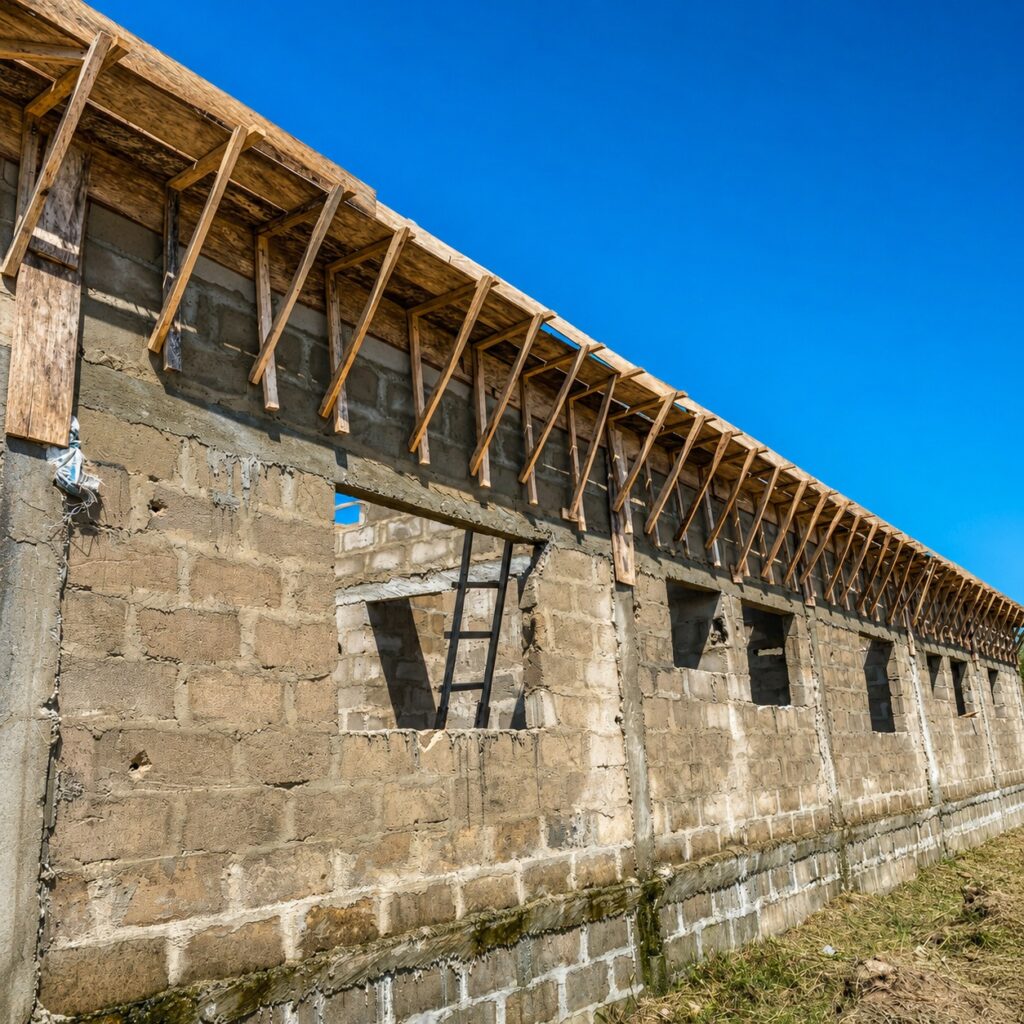
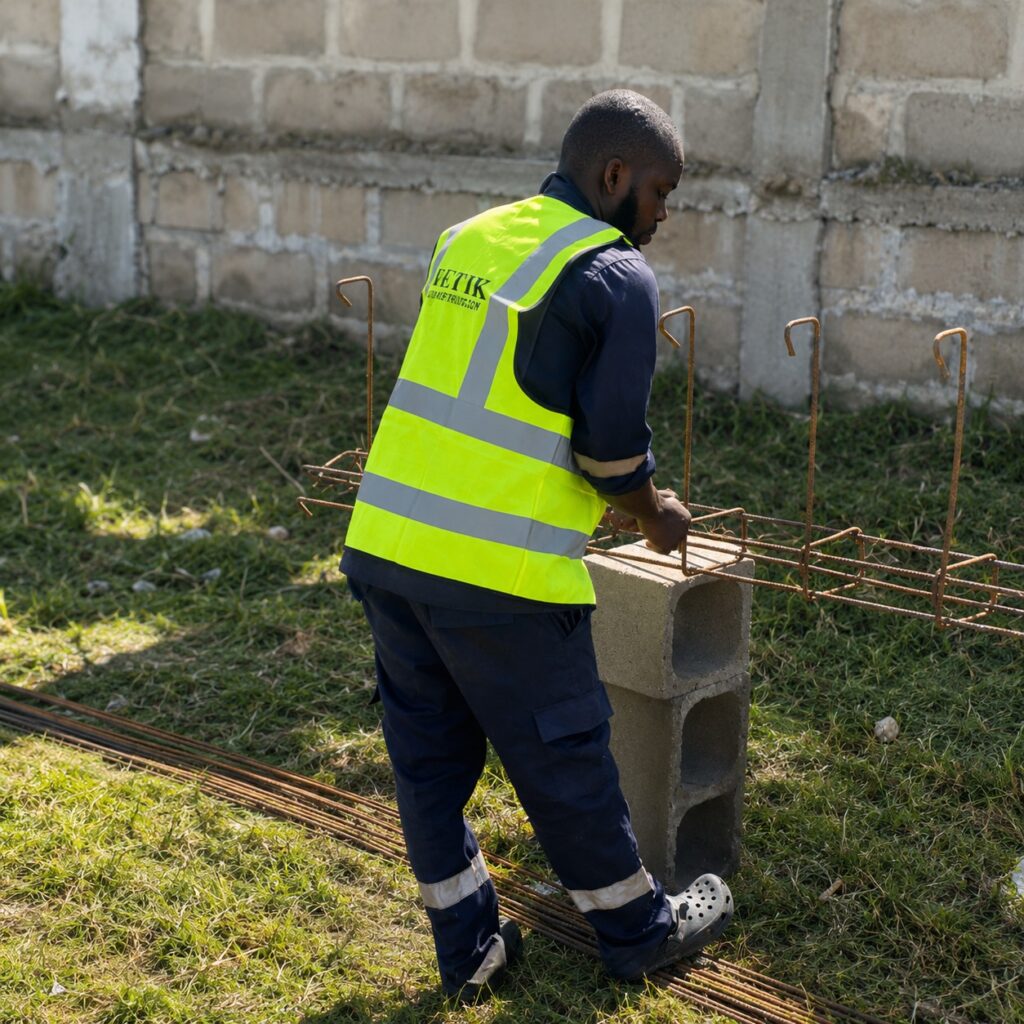
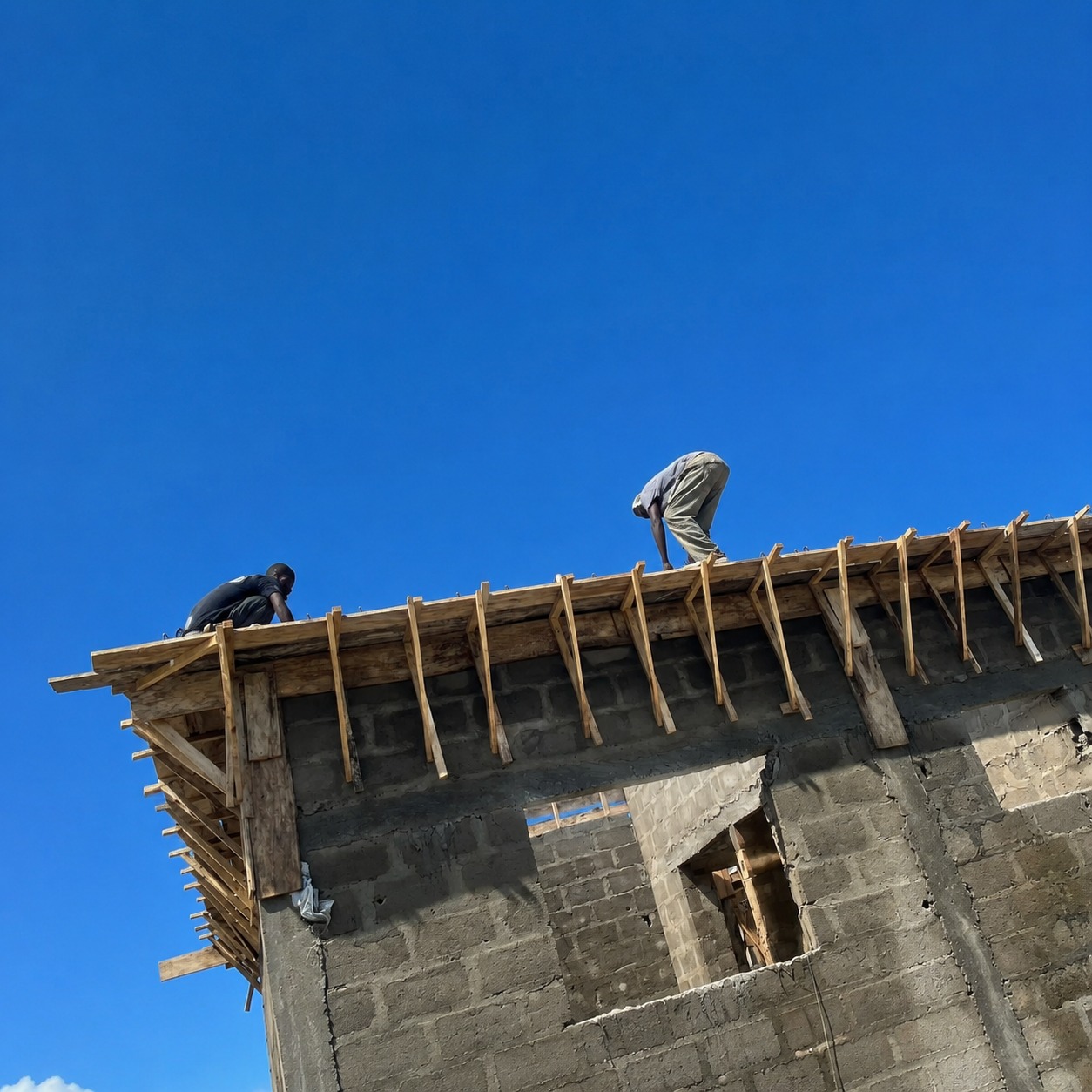
Modern construction should consider families’ daily needs. Homes, schools, healthcare centers, and public spaces must be designed to support comfort, safety, and convenience. This includes proper ventilation, natural lighting, secure surroundings for children, good drainage systems, and functional layouts that make everyday living easier.
Bridging Rural and Urban Development
Good infrastructure should not be limited to major cities alone. Rural and urban communities both need access to reliable roads, schools, hospitals, clean water, and power supply. When infrastructure development is balanced, it connects people to opportunities, improves mobility, supports businesses, and reduces the gap between rural and urban living.
Supporting Stronger Communities
Well-planned infrastructure helps communities thrive. It improves access to education, healthcare, markets, and social services. Families benefit from safer neighborhoods, better public facilities, and more growth opportunities.
Conclusion
When infrastructure is designed with people in mind, it transforms lives. Building for families means creating safe, comfortable, and sustainable spaces where communities can grow. In Nigeria, smart infrastructure is not just about development; it is about building a better future.