Introduction
Every successful construction project begins with a strong foundation built on quality materials, professional expertise, and strict construction standards. In Nigeria’s rapidly growing construction industry, developers, property owners, and investors are becoming increasingly aware that cutting corners during construction can lead to serious structural and financial consequences.
A building is more than just walls and roofing—it is a long-term investment that must provide safety, durability, comfort, and value. This is why quality and professionalism are no longer optional in modern construction; they are essential.
The Importance of Quality Materials
The quality of construction materials directly affects the strength, durability, and lifespan of any structure. Using substandard materials may reduce initial costs, but it often results in long-term problems such as cracks, leakages, corrosion, structural weakness, and expensive maintenance.
High-quality materials help ensure that buildings can withstand environmental conditions, heavy usage, and the effects of time. Materials such as durable cement, reinforced steel, quality electrical fittings, reliable plumbing systems, and properly tested blocks contribute significantly to structural stability and safety.
Quality materials also improve:
- Structural strength and durability
- Safety for occupants
- Resistance to weather and environmental damage
- Reduced maintenance and repair costs
- Long-term property value
Investing in quality materials from the beginning helps prevent future construction failures and protects the integrity of the entire project.
Strict Quality Control Processes
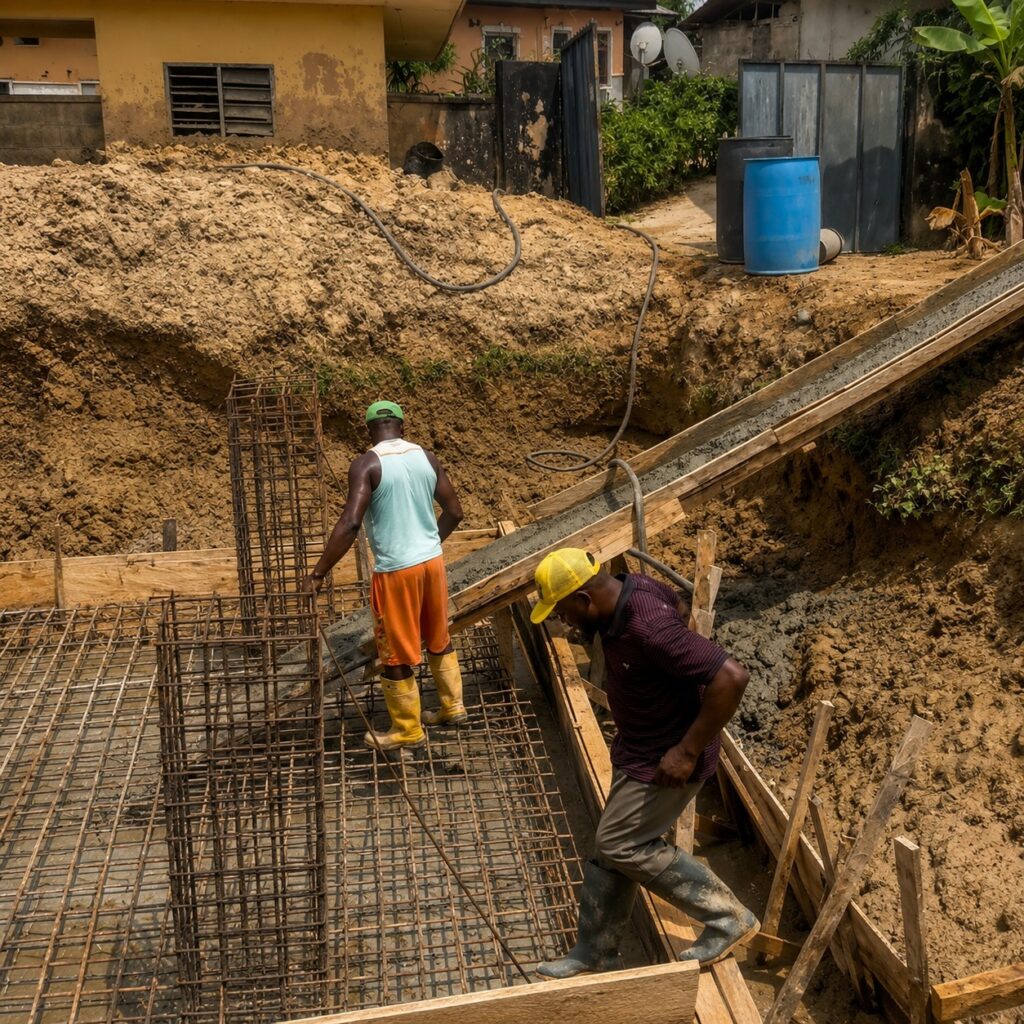
Professional construction projects follow carefully planned quality control procedures at every stage of development. These processes ensure that materials, artistry, and site operations meet industry standards and project specifications.
Key quality control measures include:
Material Inspection and Verification
Before materials are used on-site, they are properly inspected and verified to ensure they meet required quality standards. This helps eliminate the risk of using weak or defective materials.
Compliance With Industry Standards
Professional construction companies adhere to approved engineering practices, building regulations, and safety guidelines to maintain structural integrity and project reliability.
Continuous Site Monitoring
Regular supervision and inspections during construction help ensure that work is carried out correctly and in accordance with approved plans. This reduces errors, delays, and costly corrections.
By maintaining strict quality control, construction teams deliver projects that meet both safety and performance expectations.
Professional Standards and Safety
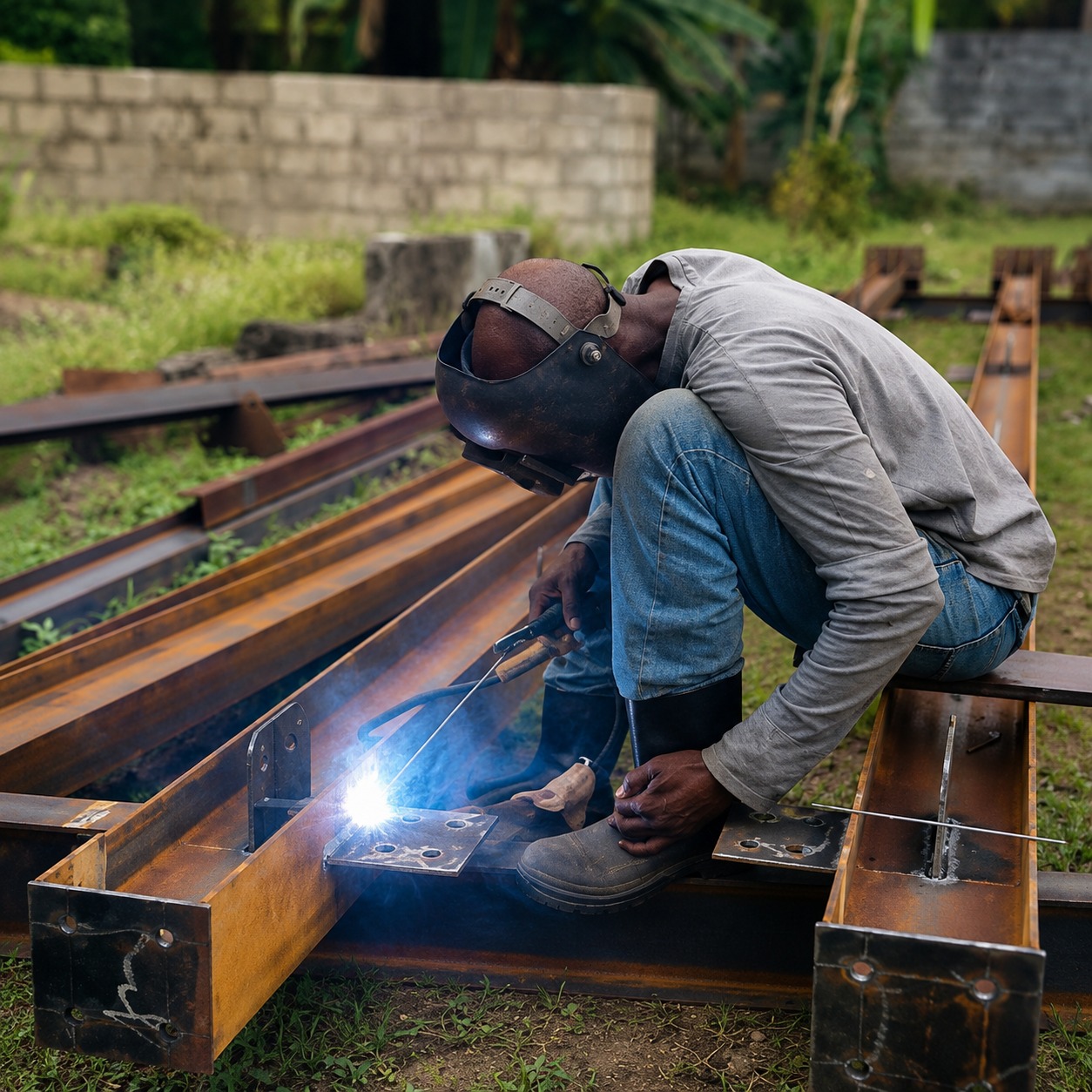
Professional construction practices go beyond building structures—they focus on creating safe, functional, and sustainable environments. From planning and design to execution and finishing, every stage requires skilled professionals who understand industry best practices.
Adhering to professional standards ensures:
- Proper structural design and execution
- Safe working conditions on-site
- Compliance with safety regulations
- Efficient project management
- Accurate construction techniques
- Long-lasting building performance
Safety remains one of the most important aspects of construction. Poor artistry or negligence can lead to dangerous structural failures that put lives and property at risk. Professionalism helps minimize these risks while ensuring quality delivery.
Long-Term Value of Quality Construction
Many property owners focus solely on short-term construction costs, failing to consider long-term value. However, buildings constructed with quality materials and professional standards often require less maintenance, experience fewer structural issues, and maintain higher market value over time.
Quality construction also enhances:
- Investor confidence
- Occupant comfort and safety
- Building lifespan
- Energy efficiency
- Overall property reputation
Choosing quality from the start ultimately saves money and increases the project’s long-term success.
Conclusion
Quality construction is not simply about appearance—it is about durability, safety, reliability, and long-term performance. Every successful construction project depends on verified materials, strict quality control, and professional construction standards.
By prioritizing quality at every stage, construction companies can deliver buildings that stand the test of time and provide lasting value to clients, investors, and communities.