INTRODUCTION
Behind every road, bridge, and building in Nigeria are skilled and dedicated individuals whose efforts shape the nation’s future. Construction is not just about concrete and steel, it is about people. From the hands that mix concrete to the minds that plan and supervise projects, every contributor plays a role in transforming ideas into reality. Local labor remains at the heart of this transformation, driving economic growth, empowering communities, and supporting sustainable development across the country.
THE POWER OF LOCAL LABOR IN CONSTRUCTION
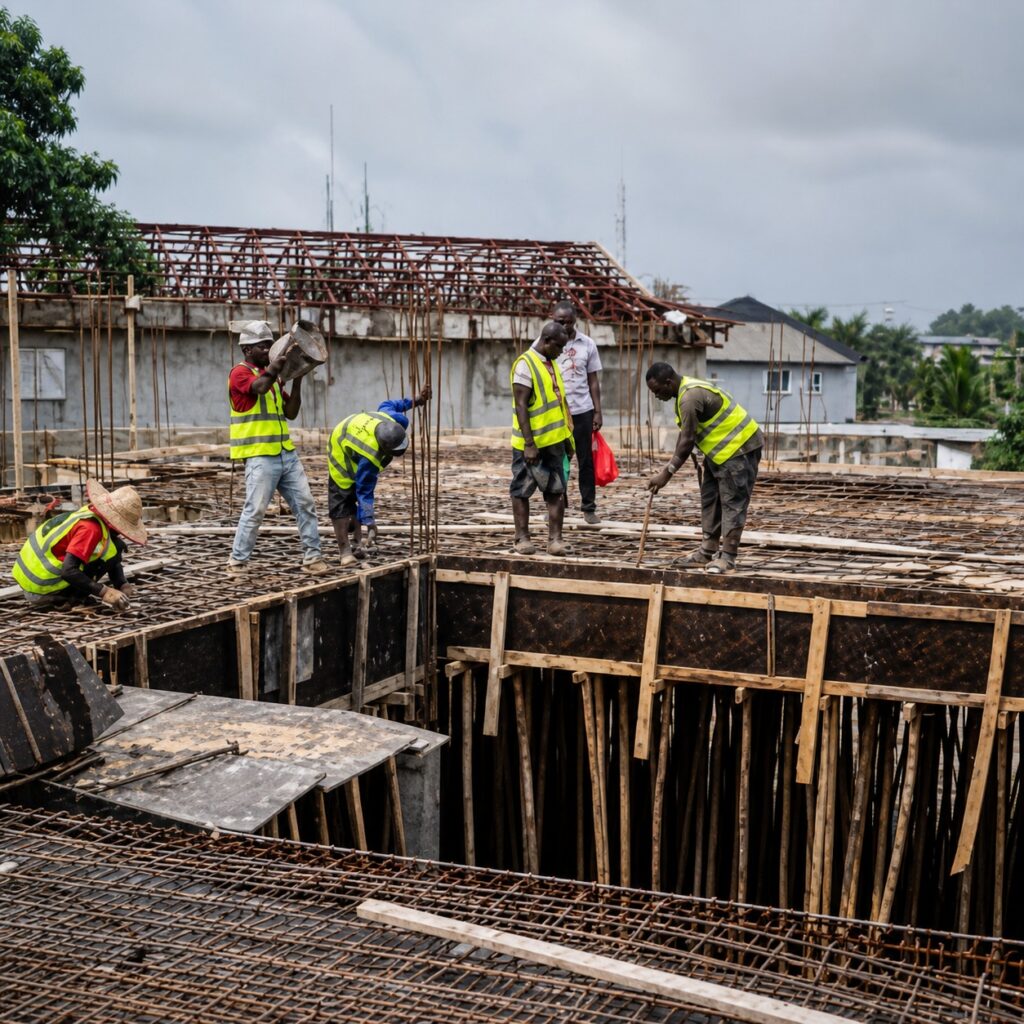
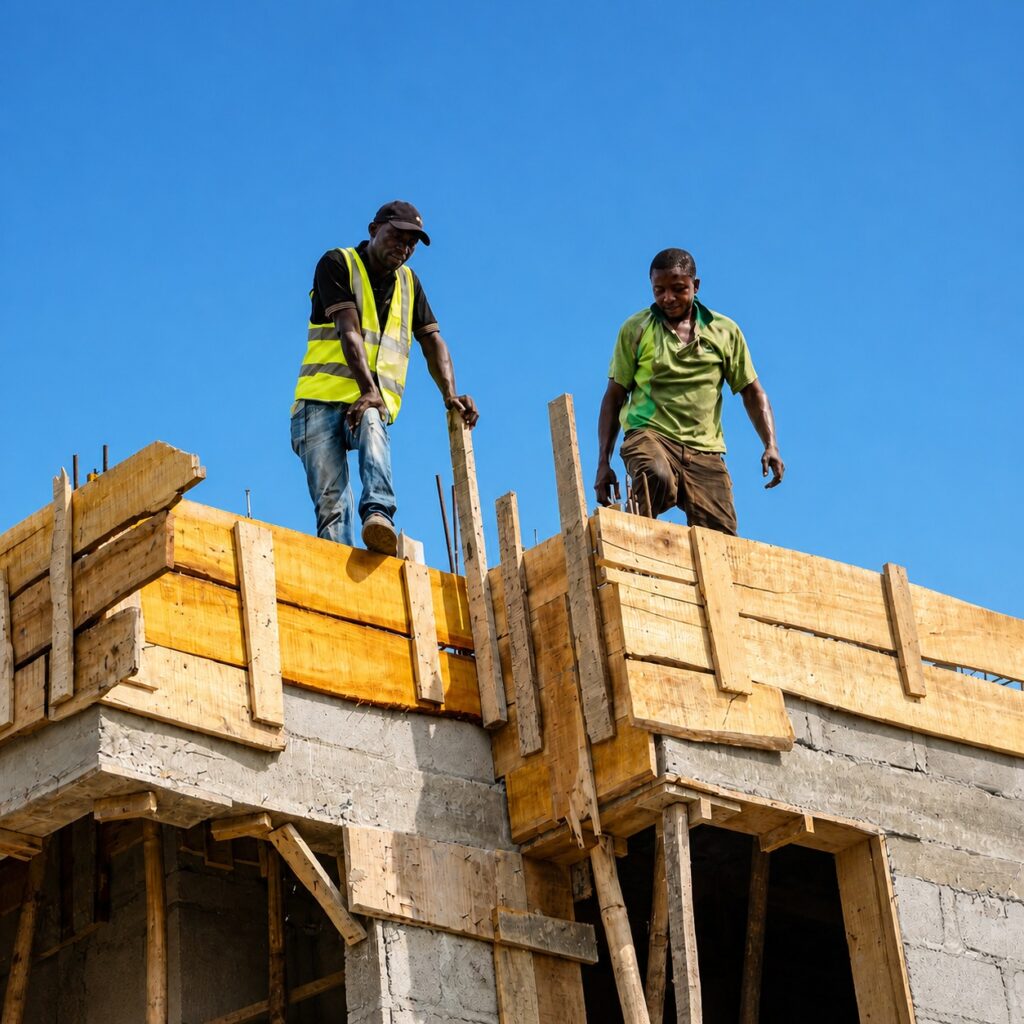
Employing local workers ensures that development projects directly benefit the communities in which they are carried out. It creates employment opportunities, reduces unemployment, and stimulates local economies. When workers earn within their communities, they spend locally, which further strengthens small businesses and promotes economic circulation.
Beyond economic benefits, engaging local labor also improves project efficiency. Local workers understand the environment, terrain, and cultural dynamics of their communities, making them valuable assets in project execution. By investing in local talent, construction companies are not only delivering projects but also contributing to long-term national growth and stability.
SKILLS DEVELOPMENT AND CAPACITY BUILDING
The construction industry requires a wide range of technical skills and expertise. Through structured training programs, workers can acquire competencies in masonry, carpentry, welding, plumbing, electrical installations, and equipment handling. These skills elevate workers from unskilled laborers to certified professionals capable of handling complex projects.
Capacity building does not end on-site. Workers who receive proper training gain long-term career opportunities, allowing them to work on future projects, start their own businesses, or train others. This continuous transfer of knowledge strengthens the construction industry and contributes to national workforce development.
ECONOMIC AND SOCIAL IMPACT
The impact of local labor extends far beyond construction sites. With stable income, workers are able to support their families, invest in education, and improve their overall standard of living. This leads to stronger households and more resilient communities.
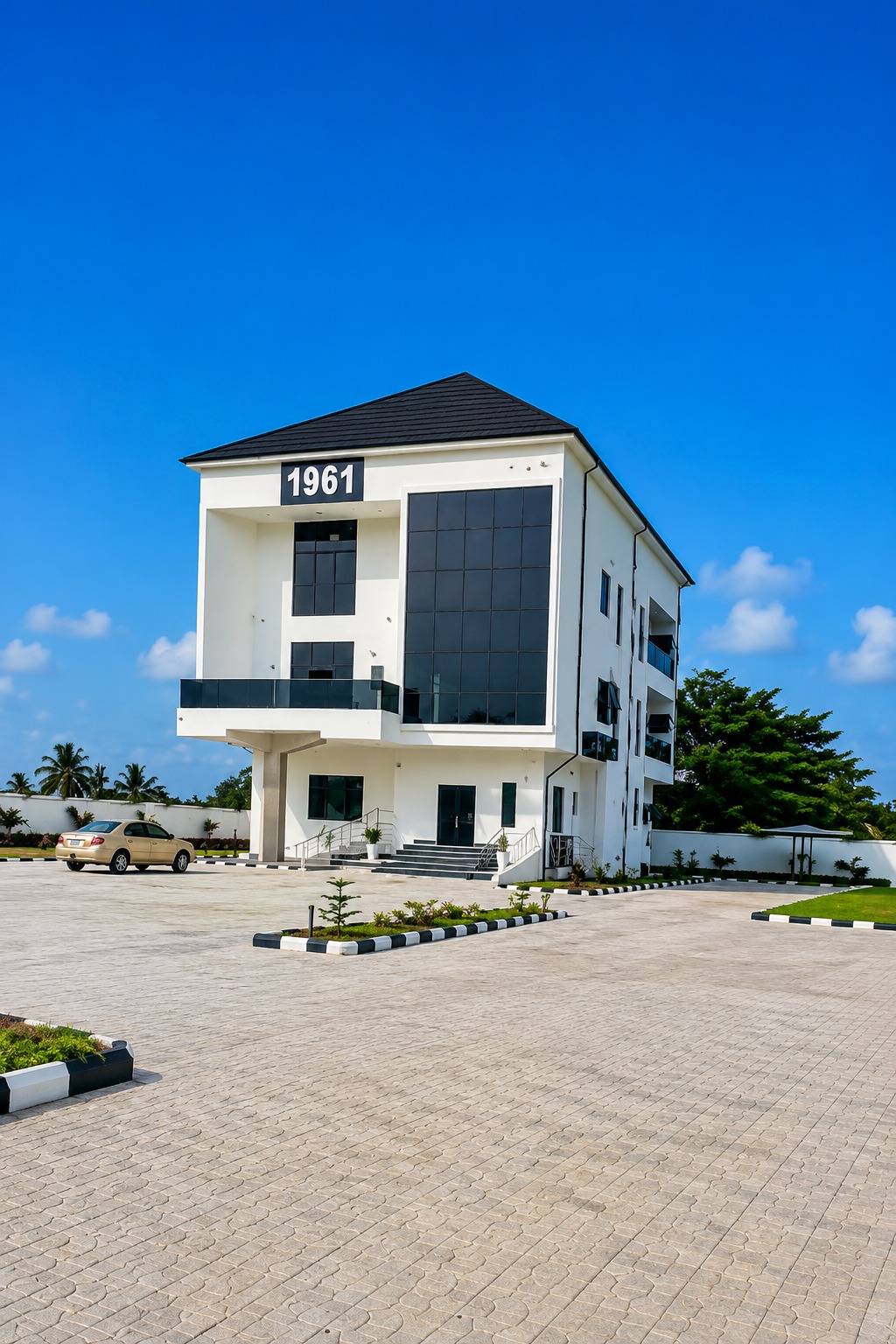
Infrastructure projects also act as catalysts for development. Roads improve transportation and trade, buildings create spaces for businesses and services, and public facilities enhance access to healthcare and education. As a result, communities experience both economic and social transformation, driven by the involvement of their own people.
SUSTAINABILITY AND COMMUNITY DEVELOPMENT
Incorporating local labor into construction projects supports sustainability in multiple ways. It reduces the need for external labor, lowers project costs, and promotes community ownership. When people are directly involved in building their environment, they are more likely to maintain and protect it.
Furthermore, empowering local workers fosters a sense of pride and responsibility. Communities become active participants in development rather than passive observers, ensuring that progress is inclusive and long-lasting.
CONCLUSION
Construction is more than the creation of physical structures—it is a powerful driver of national progress. By prioritizing local labor, we are not just building roads, bridges, and homes; we are building skills, creating opportunities, and strengthening communities. Investing in people remains one of the most effective ways to achieve sustainable development and secure a better future for Nigeria.