Introduction
Sustainability has become an essential part of modern construction, especially in Nigeria where rapid urban growth continues to increase the demand for durable, efficient, and environmentally responsible buildings. Sustainable construction focuses on creating structures that are strong, safe, cost-effective, and less harmful to the environment.
Eco-Friendly Construction Practices
Eco-friendly construction involves using materials and methods that reduce waste, conserve energy, and protect natural resources. This includes responsible sourcing of building materials, proper waste management, energy-efficient designs, and the use of durable materials that reduce the need for frequent repairs.
Energy Efficiency in Buildings
Energy efficiency is a major part of sustainable building in Nigeria. Good building orientation, natural lighting, proper ventilation, quality roofing, and energy-saving fittings can help reduce electricity consumption and improve comfort for occupants.
Health and Safety
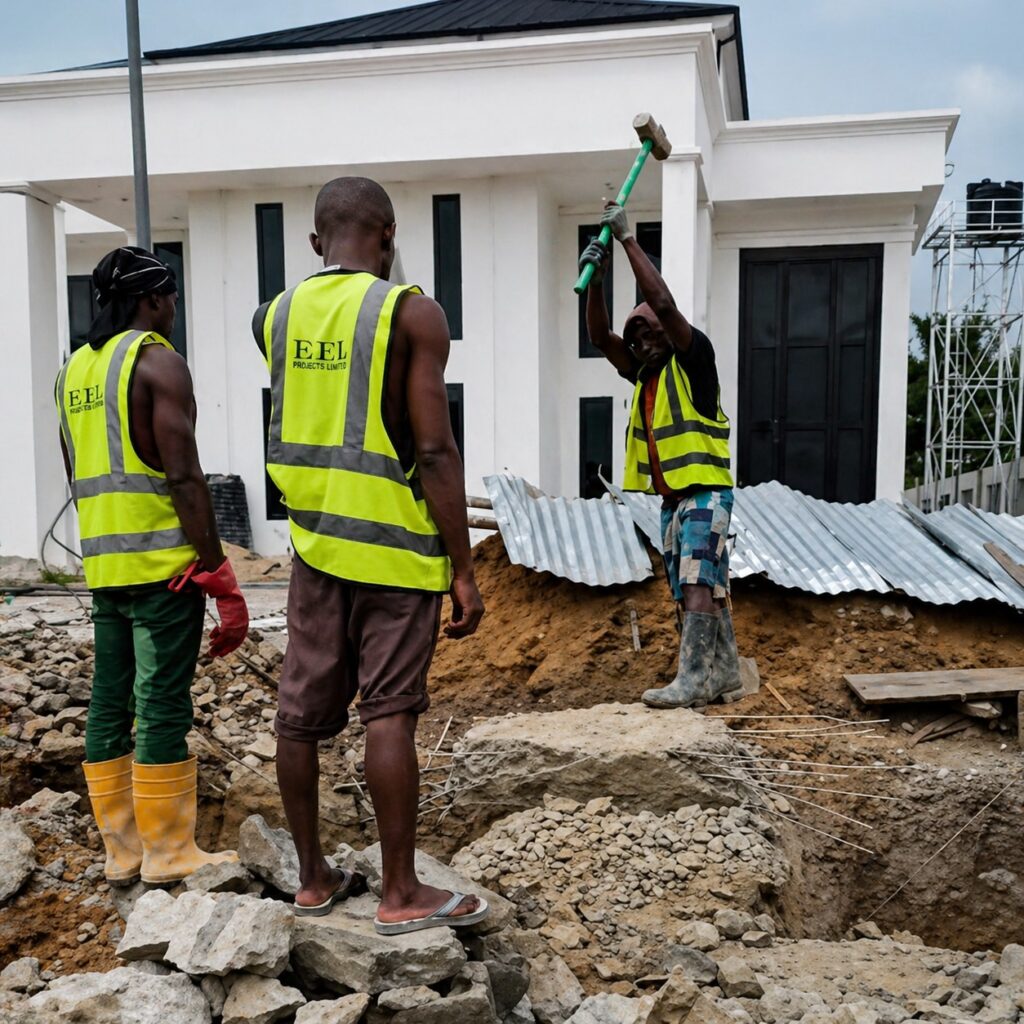
Sustainable construction also supports healthier living and working spaces. Proper drainage helps prevent flooding and water damage, while good ventilation improves indoor air quality. Safe construction practices, strong structural planning, and quality installations also reduce risks during and after construction.
Quality Control and Durability
Strict inspection and quality control ensure that every stage of construction meets required standards. From foundation work to finishing, proper supervision helps prevent defects, improves durability, and protects the client’s investment.
Conclusion
Sustainable construction is not just about protecting the environment; it is about building smarter, safer, and stronger structures for the future. By combining eco-friendly construction practices, quality control, and efficient design, we can create buildings that serve people today while preserving resources for tomorrow.