Building Responsibly in Nigeria: The Importance of Compliance
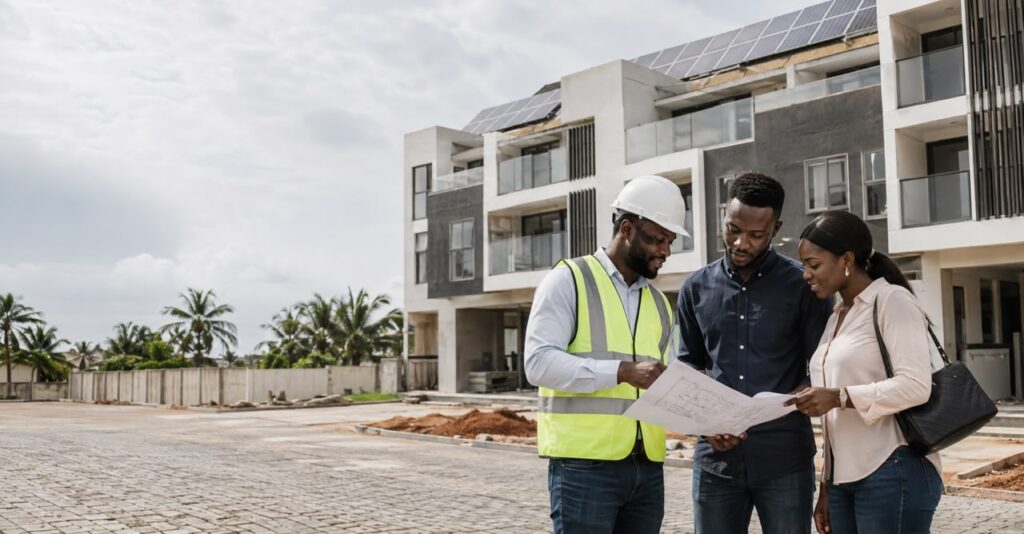
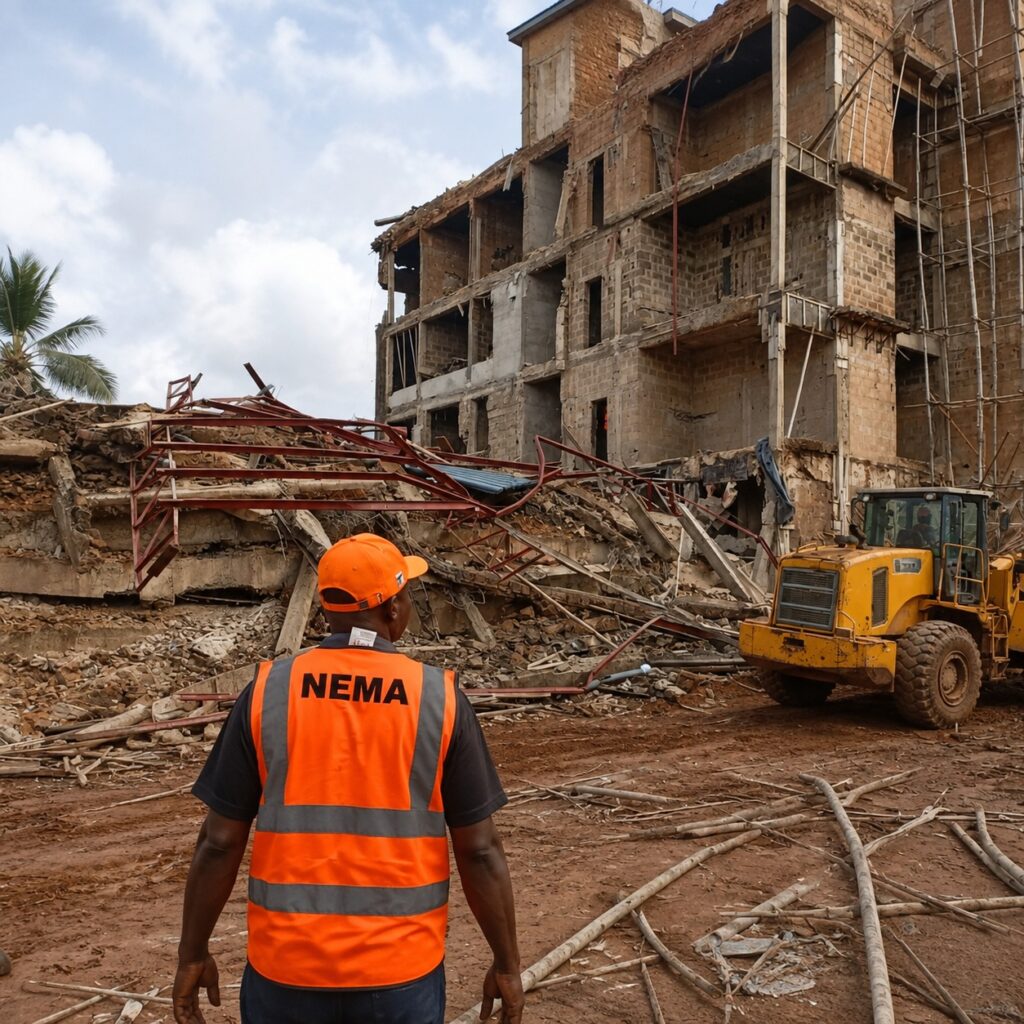
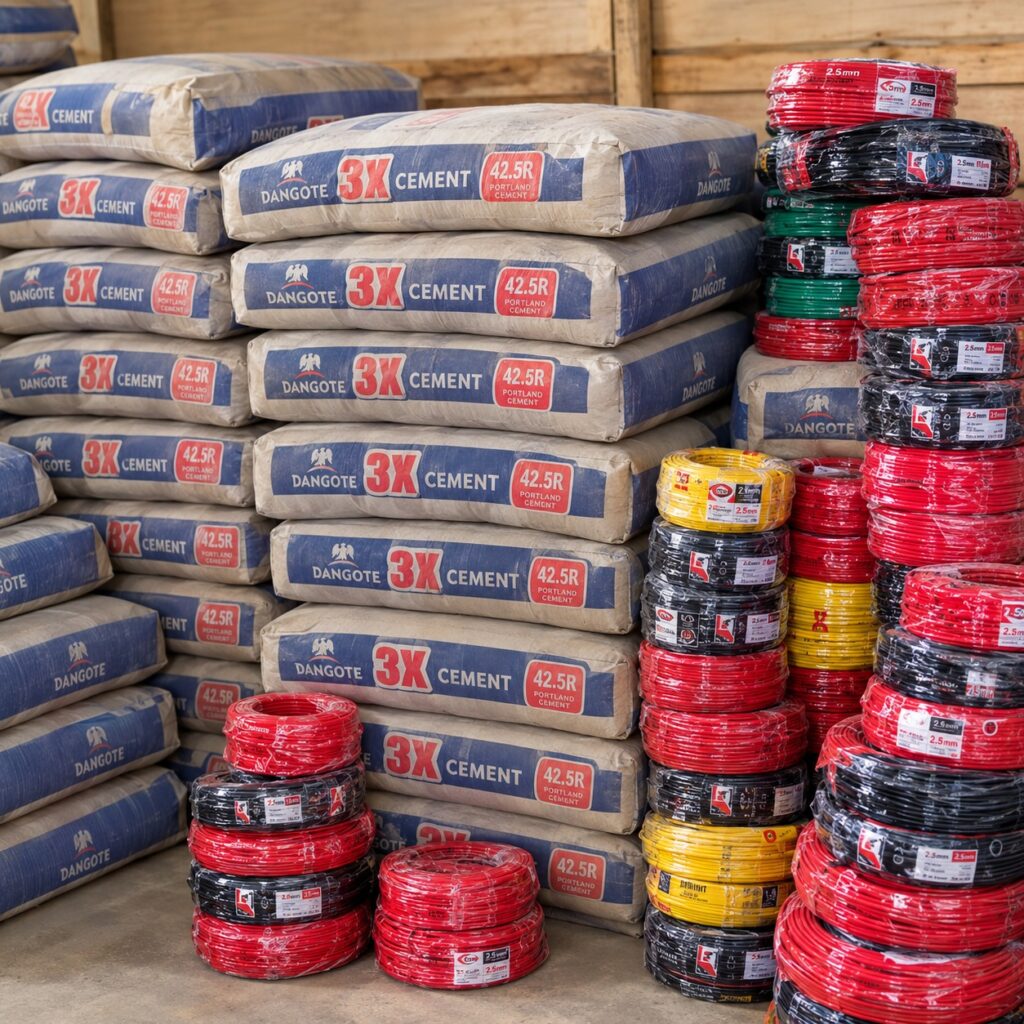
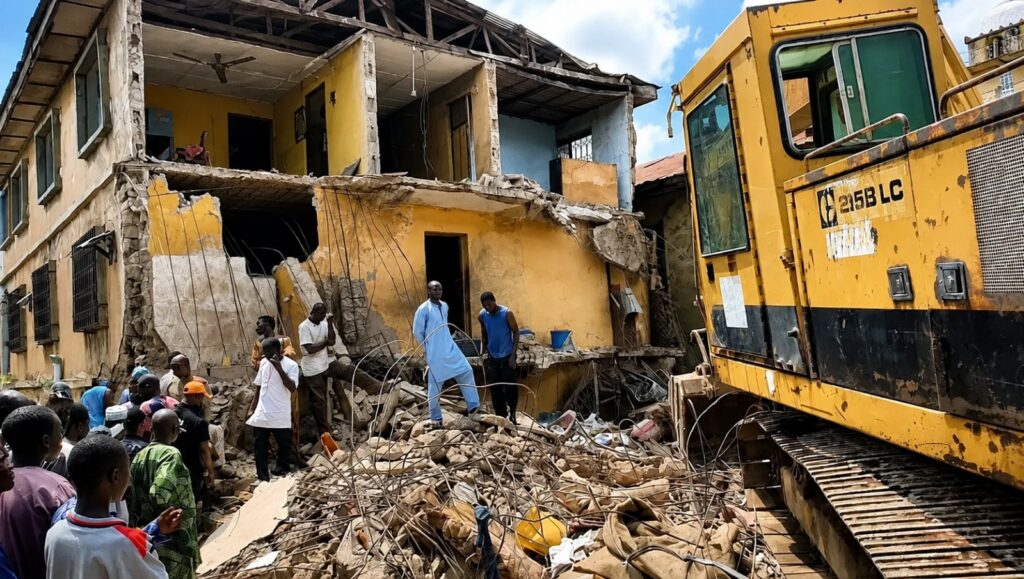
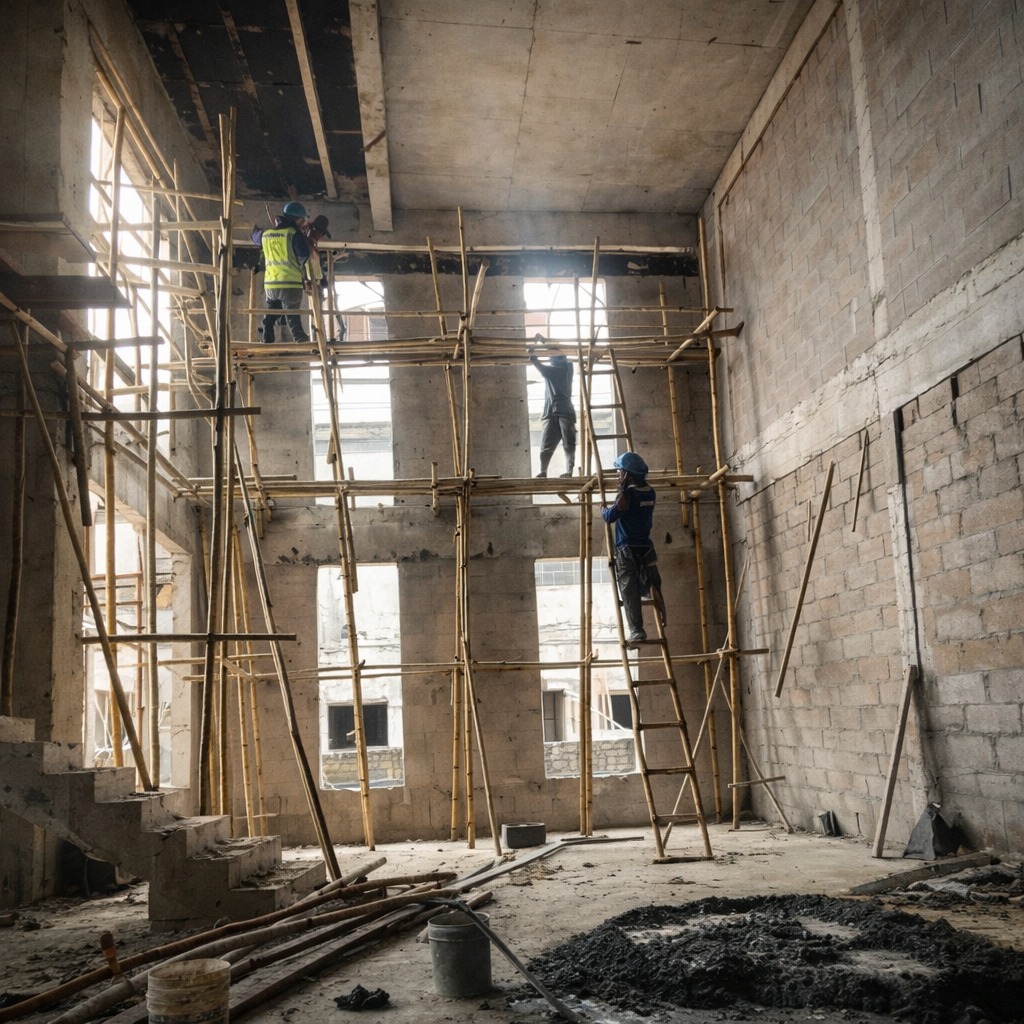
Building Responsibly in Nigeria: The Importance of Compliance Building construction is about more than putting up walls, installing a roof, or finishing a project on budget. Every building must be designed, constructed and maintained with safety, quality and long-term performance in mind. Recent building collapses in Lagos, followed by orders to demolish distressed buildings, have renewed attention on the importance of responsible construction practices. At the same time, the Council of Registered Builders of Nigeria (CORBON) inducted 436 builders while reaffirming its zero-tolerance position on unethical construction practices. These developments highlight an important message for property owners, developers, contractors and investors: building responsibly is not optional. It is fundamental to protecting lives, property and public confidence. 1. Building Safety Must Come First A building may look attractive on the outside, but its appearance does not necessarily reflect its structural condition. A building’s safety depends on several factors, including proper design, suitable materials, competent workmanship, appropriate supervision, and compliance with applicable building requirements. When these elements are neglected, the consequences can extend beyond financial losses. Building failures can cause injuries, fatalities, displacement and damage to surrounding properties. For developers and property owners, safety must therefore remain a priority from the earliest planning stages through construction and final handover. 2. Quality Construction Begins Before Work Starts Responsible construction begins before the first block is laid. It begins with proper planning and professional preparation. Before construction starts, developers should ensure that the project has appropriate designs, realistic budgets, suitable specifications and a clear construction plan. Important considerations include: Professional design: Engage appropriately qualified professionals to prepare and review the relevant building designs. Site assessment: Understand the ground conditions, drainage requirements and other site-specific considerations. Material selection: Use materials that meet the project specifications and applicable quality standards. Construction planning: Establish a realistic programme for labour, materials, inspections and quality checks. Technical coordination: Ensure that the relevant professionals work together to address design and construction requirements. Taking these steps early can help reduce avoidable errors, costly rework and risks that may compromise the finished building. 3. Why Registered Builders Matter Construction projects require technical knowledge, practical experience and a clear understanding of professional responsibilities. Registered builders have an important role in coordinating construction activities, managing workmanship, monitoring quality and ensuring that work follows approved plans and specifications. Working with appropriately registered and qualified professionals can help property owners make more informed decisions about who delivers their projects. Before appointing a builder, clients should verify the person’s relevant registration, qualifications and experience. They should also establish clear responsibilities, contractual terms, reporting arrangements and quality-control procedures. CORBON’s induction of 436 builders reinforces the importance of professional recognition and accountability within Nigeria’s building industry. Its stated zero-tolerance position on unethical construction also highlights the need for integrity in professional practice. Registration alone, however, should not replace project-specific supervision, regulatory approvals or independent verification where required. 4. Compliance Is Part of Responsible Development Building regulations and approval processes exist to support safe and orderly development. Treating compliance as an inconvenience can expose developers and property owners to serious risks. Depending on the project and location, responsible development may require planning approval, appropriate building permits, professionally prepared designs, inspections and compliance with applicable building codes and standards. Developers should confirm the specific requirements with the relevant authorities before commencing work. They should also ensure that construction follows the approved designs and that significant changes are reviewed and authorized through the appropriate process. Compliance is not simply about obtaining documents. It is about ensuring that the building is developed according to the requirements intended to protect occupants, neighbours and the wider community. 5. Material Quality and Workmanship Cannot Be Compromised A construction budget should account for quality rather than encourage shortcuts that undermine safety. Using unsuitable materials, ignoring technical specifications or allowing poorly executed work to continue can create defects that become expensive to correct later. Responsible builders should implement quality-control procedures throughout the construction process. These may include checking delivered materials, monitoring concrete works, inspecting reinforcement before concrete placement and carrying out appropriate tests when specified. Workmanship should also be inspected at key stages, rather than leaving every quality check until the project is nearly complete. For developers, the objective should be to deliver buildings that meet the required standards, not simply structures that appear finished. 6. Construction Speed Must Never Replace Construction Quality Fast project delivery can be valuable. It can reduce delays, improve planning and help owners put completed properties to use sooner. However, speed should come from efficient coordination, timely procurement, skilled labour and disciplined project management—not from skipping essential procedures. Concrete curing requirements, structural inspections, material testing and other technical processes must be observed according to the relevant specifications and professional guidance. A realistic construction schedule should allow the necessary work to be completed properly. The goal is not merely to finish quickly. It is to deliver a safe, durable building within an achievable timeframe. 7. Developers and Property Owners Share Responsibility Although builders and other construction professionals have defined responsibilities, property owners and developers also influence the quality of a project through their decisions. Choosing contractors solely because they offer the lowest price, demanding unrealistic deadlines or approving undocumented changes can create pressure that undermines proper construction practices. Property owners can support better outcomes by: Appointing qualified professionals with relevant experience. Confirming that required approvals are in place. Agreeing on clear specifications and contractual responsibilities. Allowing adequate time for construction and inspections. Requesting progress reports and quality-control records. Addressing defects and safety concerns promptly. Keeping project documents and approvals properly organized. Responsible development is a collaborative effort that requires accountability from everyone involved. 8. How Petik Limited Approaches Responsible Construction At Petik Limited, construction should be viewed as a commitment to quality, coordination and long-term value. A well-managed project requires attention to planning, material procurement, workmanship, supervision and the requirements that apply to the development. These elements help create a more reliable construction process and support better outcomes for property owners and investors.
Building Responsibly in Nigeria: The Importance of Compliance Read More »