Reliable Construction Company in Nigeria: What Showing Up Really Means

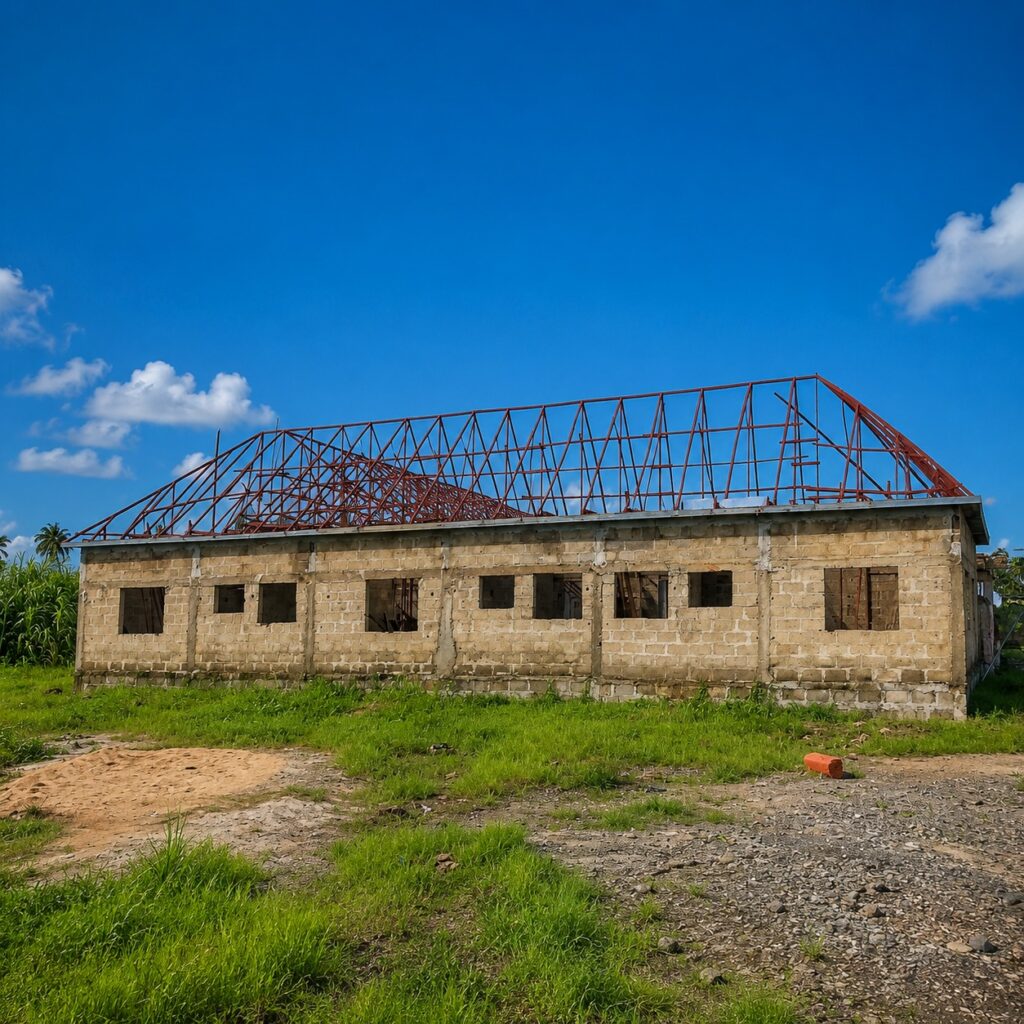
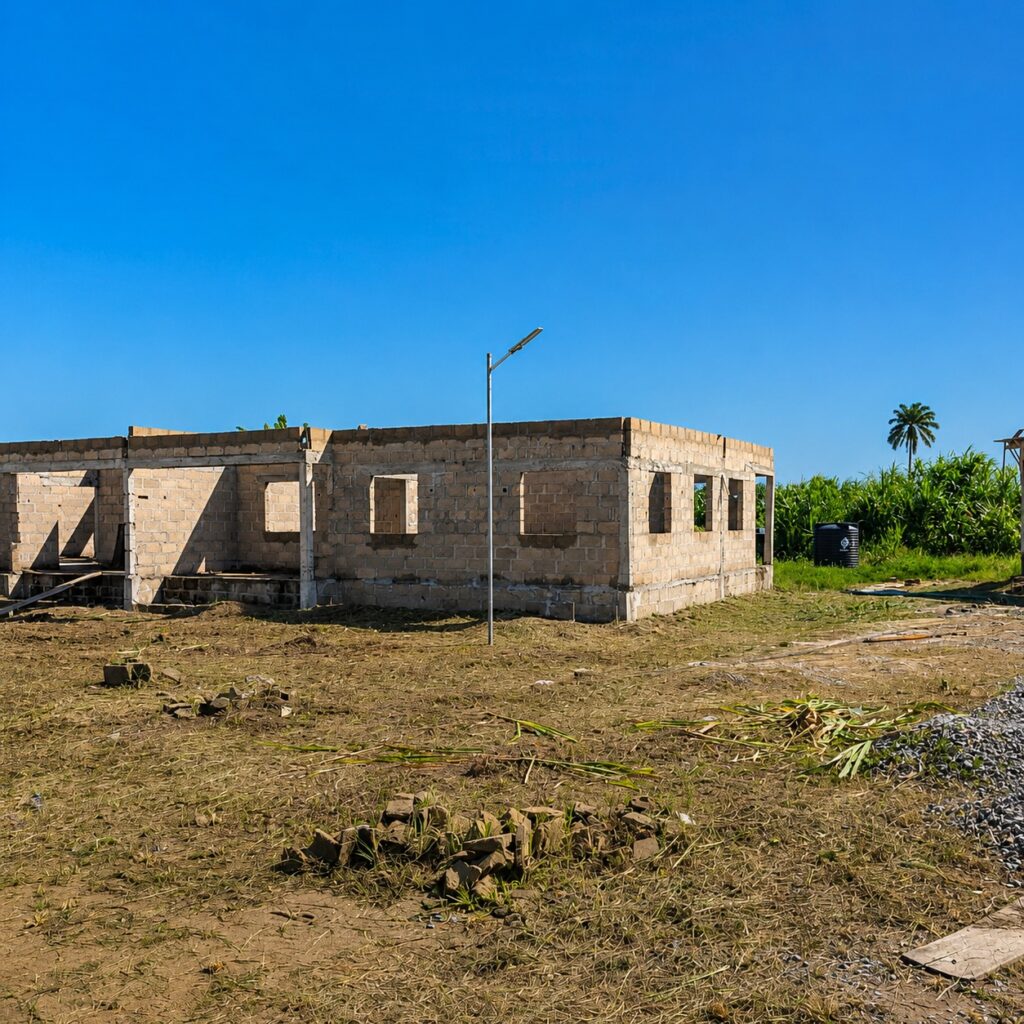
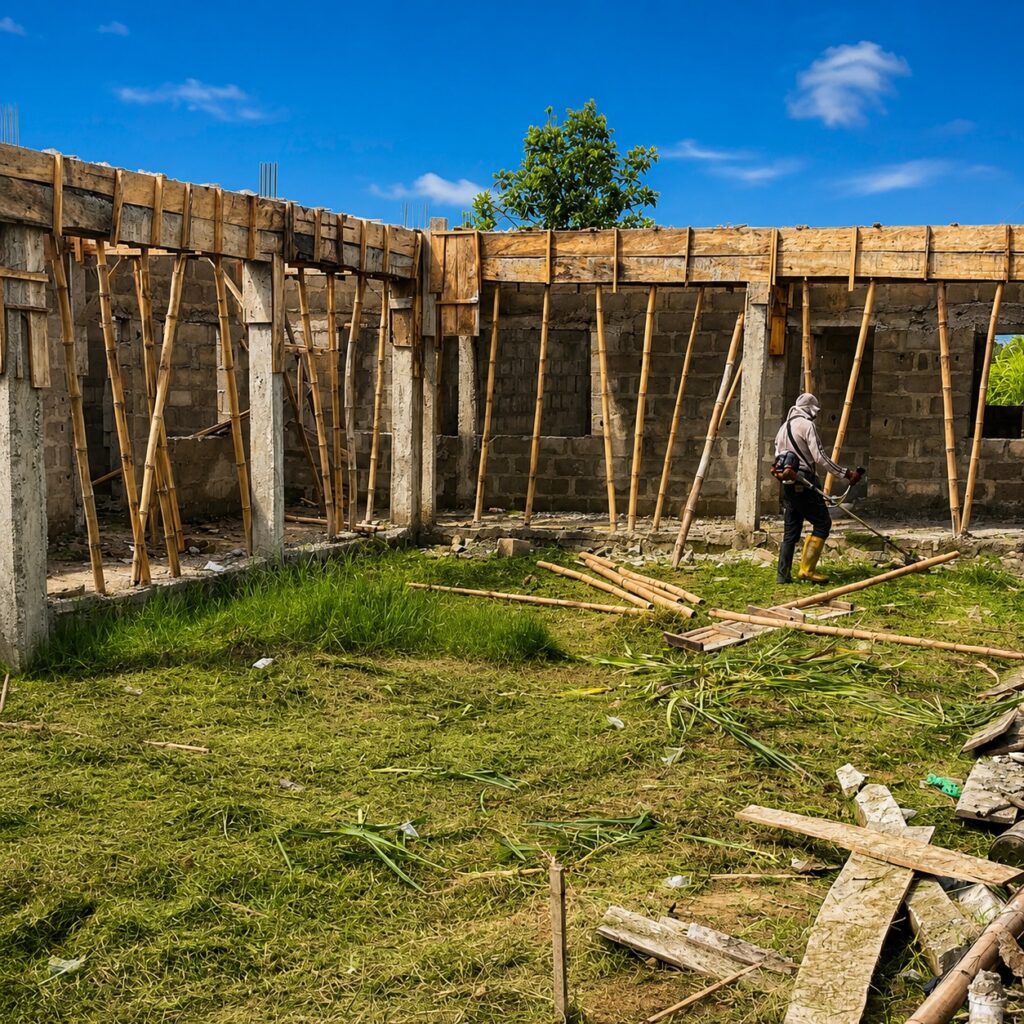
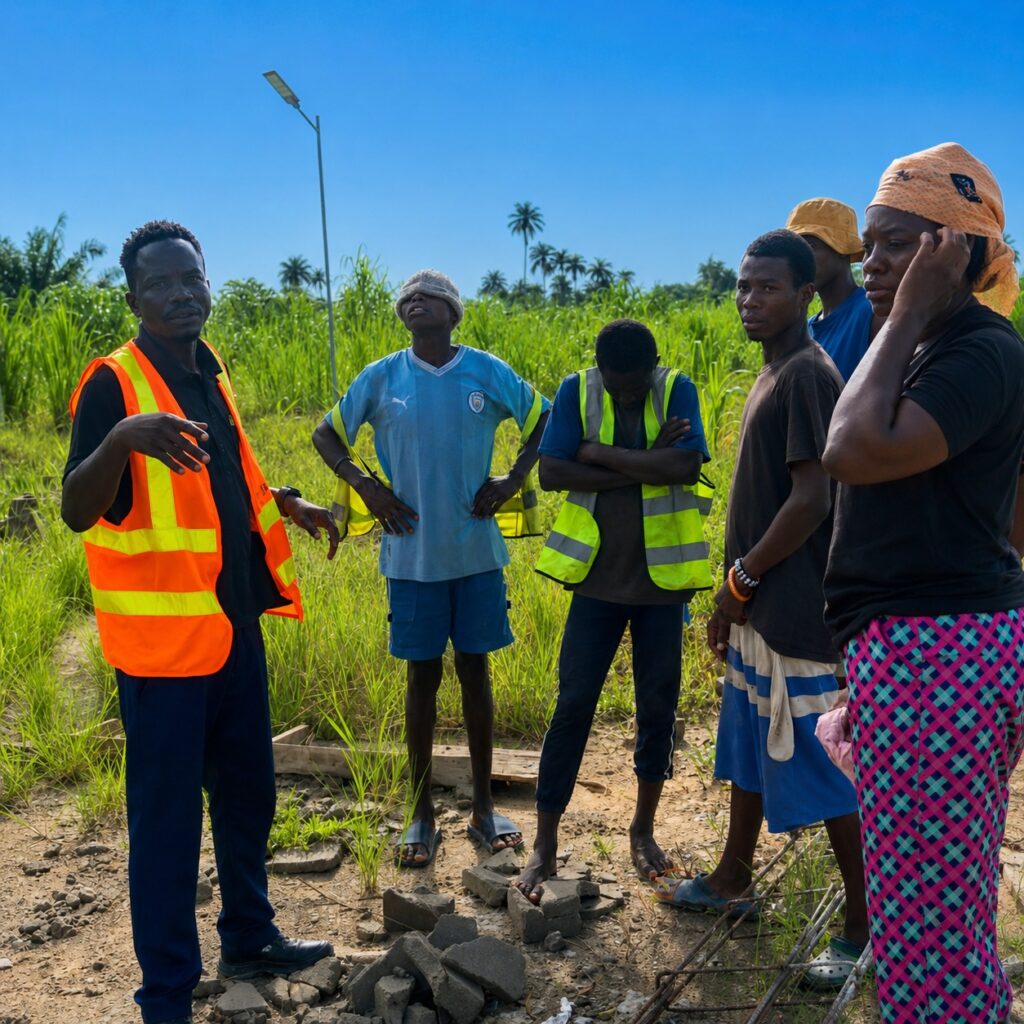
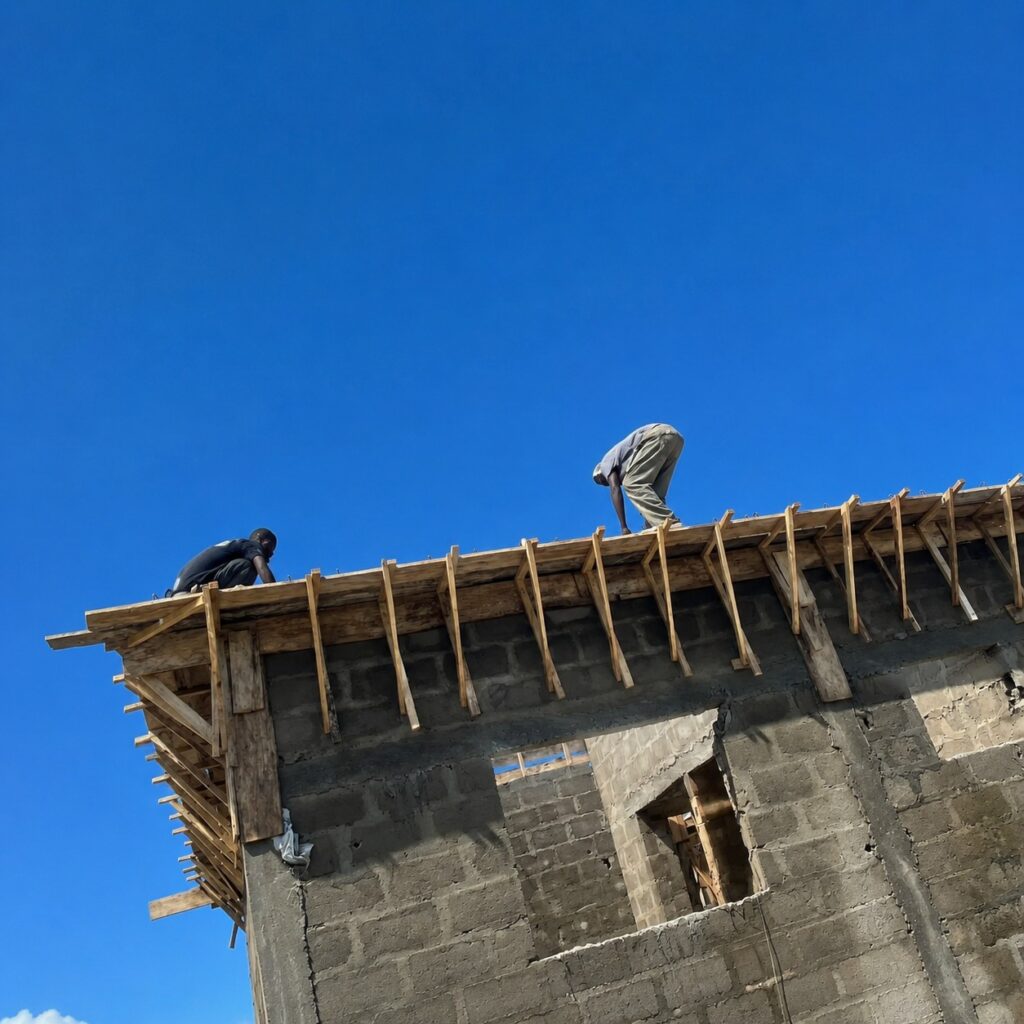
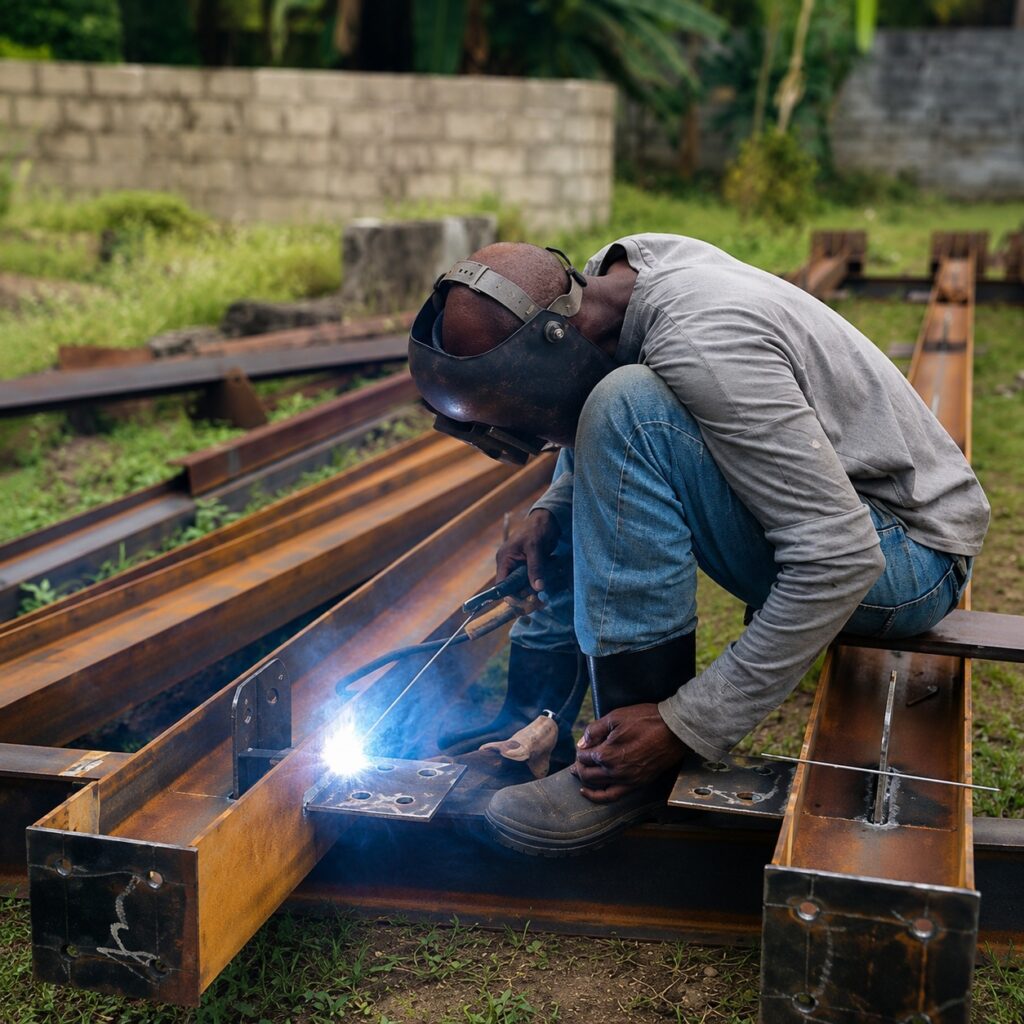
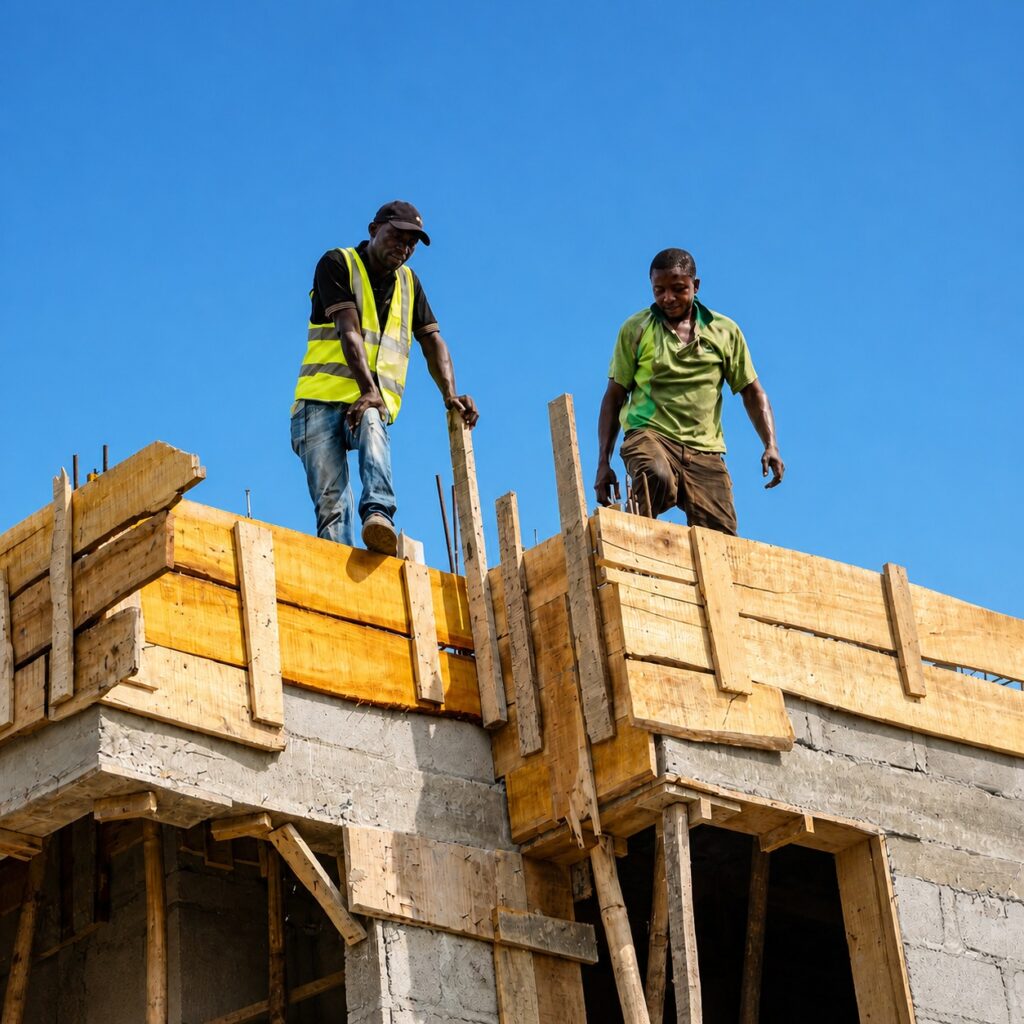
Reliable Construction Company in Nigeria: What Showing Up Really Means In Nigeria’s construction industry, one phrase is used far too often: “We’ll deliver.” Unfortunately, a massive gap usually exists between that initial handshake and the actual reality on the ground. Many property owners, particularly those in the diaspora, have experienced the nightmare of delayed timelines, abandoned sites, inflated material costs, or poor-quality work that requires expensive corrections. This is why choosing a reliable construction company in Nigeria is the single most critical decision you will make when starting a building project. True reliability is not a marketing catchphrase; it is a system of discipline, engineering precision, and accountability. Let’s break down what “showing up” really means when executing a construction project. 1. Showing Up from Day One: Effective Site Mobilization Reliability starts long before the first bag of cement is mixed or the first block is laid. Far too many projects stall at the paperwork stage because contractors lack the organizational capability to transition from planning to execution. A dependable building contractor ensures: Immediate Site Mobilization: Deploying security, temporary perimeter fencing, and essential machinery to the plot the moment the contract is activated. Clear Project Planning and Scheduling: Laying out a transparent, milestone-by-milestone schedule (e.g., Gantt charts) so you know exactly when the foundation, framing, and roofing phases will begin and end. Early-Stage Execution Without Delays: Moving from site clearing to foundation marking with absolute intention and speed, taking full advantage of favorable weather windows. At Petik, we believe that a project’s momentum is established in its very first week. Our team moves rapidly from blueprints to physical action, ensuring your capital is immediately put to work on-site rather than sitting idle. 2. Consistency Over Empty Promises: Sustaining the Momentum Many contractors begin a project with high energy but quickly lose steam. You might see a site buzzing with twenty laborers during the first week, only for it to become a ghost town by week three. Consistency is what separates professional construction companies from erratic, unvetted builders. True consistency requires: Daily On-Site Activity: Maintaining a steady, scheduled presence of skilled craftsmen, masons, and supervisors every single day until a milestone is met. Structured Workflow Management: Ensuring building materials are procured and delivered to the site before they are needed, eliminating downtime caused by supply chain delays. Continuous, Rigorous Supervision: Having site engineers physically present to oversee material mixing ratios, structural alignment, and safety protocols. When work progresses steadily without sudden, unexplained halts, projects are completed significantly faster, keeping labor costs controlled and maximizing structural efficiency. 3. Transparency Builds Confidence: Communication is Key Building a property can be an emotionally and financially stressful journey—especially if you are managing the project remotely. Poor communication from a builder breeds suspicion, and rightfully so. A reliable construction company removes the anxiety of the unknown by providing absolute transparency: Comprehensive Written Agreements: Clear, detailed contracts that outline the exact scope of work, material specifications, and payment terms, leaving zero room for hidden fees. Regular, Data-Driven Updates: Providing weekly or bi-weekly progress reports complete with high-definition photos, videos, and milestone trackers. Clear Visibility Into Materials and Processes: Giving you a transparent breakdown of the quality, brands, and quantities of steel, cement, and finishes being utilized on your structure. This open approach ensures you are never left wondering where your money went or what is happening on your land. It shifts the relationship from a stressful transaction to a confident partnership. Why True Reliability Matters for Your Project When you partner with a disciplined, systems-driven construction company like Petik, you are protecting your investment from the risks that plague the Nigerian building sector. The benefits of true reliability include: Timely Project Delivery: Avoiding the compounding holding costs that come with years of delayed handovers. Controlled, Predictable Costs: Staying within your budgeted figures instead of dealing with constant, artificial material inflation requests. High-Quality, Structural Integrity: Building a structure that adheres strictly to the Nigerian Society of Engineers ($NSE$) standards, preserving your asset’s value for generations. In contrast, cutting corners with unreliable contractors almost always leads to severe financial loss, emotional frustration, and compromised structures. Reliability is not an accidental outcome—it is an intentional commitment to showing up, doing the work right, and standing behind every brick laid. Most Recent Posts All Posts Architectural Design Best Builders building with purpose Concrete works Nigeria Construction construction craftsmanship construction Nigeria Eco-friendly construction Green building Nigeria Hot House for Rent House for sale inclusive building design Insider Land For Sale Marketing Plan New Buildings News Petik Projects Project Management Property Property Investment quality construction company Nigeria Real Estate Real Estate Updates Structural Engineering Structural steel Nigeria Sustainable Building Sustainable building Nigeria Test Category Trusted builders Nigeria Reliable Construction Company in Nigeria: What Showing Up Really Means Build Once, Earn Forever: The Smart Investor’s Guide to Quality Real Estate in Nigeria Architecture for All: Embracing Universal and Sustainable Design in Nigerian Homes Categories Architectural Design (3) Best Builders (17) building with purpose (9) Concrete works Nigeria (10) Construction (17) construction craftsmanship (9) construction Nigeria (9) Eco-friendly construction (2) Green building Nigeria (1) Hot (4) inclusive building design (1) Land For Sale (3) New Buildings (3) News (1) Petik Projects (13) Project Management (1) Property Investment (1) quality construction company Nigeria (1) Real Estate (7) Real Estate Updates (7) Structural Engineering (1) Structural steel Nigeria (3) Sustainable Building (1) Sustainable building Nigeria (1) Trusted builders Nigeria (3) Tags A House? Acquisition Age Friendly Design building contractor Building Failures Nigeria buy Buy A House? Buy House? Buyers Civil Works construction company construction Nigeria Damp Proofing Diaspora Real Estate Drainage Systems Foundation First Green Construction Home home developments in Nigeria. Home Inspection Inclusive Building Investing Investing In A Real Estate Property Investment Property Lagos Multi Unit Development Nigeria Nigeria Construction Nigerian Real Estate Investment Petik Petik Builds Petik Limited Planning Project Management Quality Control Real Estate Real Estate Investing Real Estate Investment Real Estate Nigeria Real Estate Property Reinforced Concrete reliable builders Rent Should Should I Rent Should I Rent Or Buy A House? Site Mobilization Structural Engineering Structural Integrity Sustainable Architecture Tips Top Real Estate Companies in Lekki Universal

Reliable Construction Company in Nigeria: What Showing Up Really Means Read More »

Architecture for All: Embracing Universal and Sustainable Design in Nigerian Homes

Architecture for All: Embracing Universal and Sustainable Design in Nigerian Homes True professionalism in construction means thinking beyond the obvious. For a long time, standard architecture followed a one-size-fits-all approach. However, modern spaces should be designed to support every stage of life and preserve the environment that surrounds them. At Petik Limited, we believe that great architecture is inherently inclusive and sustainable. We prioritize universal design principles and eco-friendly construction techniques to ensure that our buildings are functional, comfortable, and welcoming for everyone. What is Universal Design? Universal design means creating environments that can be accessed, understood, and used by all people, regardless of their age, size, or physical ability. Thoughtful design considers everyone. Feature Universal Design Application Benefits Age-Friendly Accents Single-story options, wider corridors, sturdy grab rails, non-slip flooring Minimizes fall risks; allows the elderly to live with dignity and independence Sensory Elements Tactile paving, clear sightlines, sensory-friendly interior layouts Provides ease of navigation for visually or hearing-impaired occupants Climate Comfort Shaded walkways, UV-protective elements, natural ventilation Protects occupants with heightened sensitivities to heat and sunlight Green Construction: Building with the Environment in Mind Sustainable construction isn’t just a trend; it’s a vital responsibility to protect our shared foundation—the earth. Green building practices minimize a project’s environmental footprint while maximizing long-term comfort and cost-efficiency: Responsible Material Sourcing: Selecting durable materials that reduce waste and require less energy to manufacture. Permeable Finishes & Landscaping: Utilizing permeable paving and landscape-friendly layouts to reduce rainwater runoff, protect topsoil, and prevent local erosion. Natural Lighting & Ventilation: Designing open-plan interiors with large windows to flood rooms with natural light, reducing electricity usage and improving occupant wellbeing. Conclusion The Petik Vision: A home is more than walls—it’s safety, comfort, and purpose. By blending inclusive layouts with green construction practices, we create spaces that support our clients today while preserving the environment for the next generation. Most Recent Posts All Posts Architectural Design Best Builders building with purpose Concrete works Nigeria Construction construction craftsmanship construction Nigeria Eco-friendly construction Green building Nigeria Hot House for Rent House for sale inclusive building design Insider Land For Sale Marketing Plan New Buildings News Petik Projects Property quality construction company Nigeria Real Estate Real Estate Updates Structural Engineering Structural steel Nigeria Sustainable Building Sustainable building Nigeria Test Category Trusted builders Nigeria Architecture for All: Embracing Universal and Sustainable Design in Nigerian Homes Structural Engineering and Waterproofing Solutions in Nigeria Why the Best Construction Begins Long Before Bricklaying Categories Architectural Design (1) Best Builders (15) building with purpose (8) Concrete works Nigeria (9) Construction (15) construction craftsmanship (9) construction Nigeria (8) Eco-friendly construction (1) Green building Nigeria (1) Hot (4) inclusive building design (1) Land For Sale (3) New Buildings (3) News (1) Petik Projects (12) quality construction company Nigeria (1) Real Estate (7) Real Estate Updates (7) Structural Engineering (1) Structural steel Nigeria (3) Sustainable Building (1) Sustainable building Nigeria (1) Trusted builders Nigeria (3) Tags A House? Acquisition Age Friendly Design Building Failures Nigeria buy Buy A House? Buy House? Buyers Civil Works Damp Proofing Drainage Systems Foundation First Green Construction Home home developments in Nigeria. Home Inspection Inclusive Building Investing Investing In A Real Estate Property Lagos Nigeria Nigeria Construction Nigerian Real Estate Investment Petik Builds Petik Limited Planning Real Estate Real Estate Investing Real Estate Investment Real Estate Property Reinforced Concrete Rent Should Should I Rent Should I Rent Or Buy A House? Structural Engineering Sustainable Architecture Tips Top Real Estate Companies in Lekki Universal Design Waterproofing

Architecture for All: Embracing Universal and Sustainable Design in Nigerian Homes Read More »

Structural Engineering and Waterproofing Solutions in Nigeria

Introduction Water is one of the most destructive forces in nature. It finds every micro-crack, forces its way through porous concrete, and relentlessly tests the integrity of your home or commercial facility. Because water never rests, your building needs defense mechanisms that are equally persistent. To build an asset that lasts for generations, structural engineering must work hand in hand with professional waterproofing solutions. [Expert Structural Design]} + [Professional Grade Waterproofing] = Decades of Structural Safety  The Backbone: Reinforced Concrete and Framework Erection Strength isn’t always visible from the outside, but it is deeply felt when a building is tested by weather, time, and heavy loads. Every column, beam, and joint engineered by Petik Limited acts as the backbone of the structure. By using premium steel frameworks and calculated concrete reinforcement, structural engineers ensure the building safely distributes its own weight and resists shifting environmental conditions. However, even the strongest concrete framework can be slowly compromised if moisture is allowed to penetrate the material and corrode the steel within. The Shield: High-Grade Waterproofing Membranes Waterproofing is a non-negotiable element of modern construction. True protection requires specialized, professional-grade membranes and sealants applied at critical touchpoints: Foundations & Basements: Damp-proofing barriers must be installed during foundational works to prevent groundwater from rising into the building structure. Wet Areas (Bathrooms & Kitchens): Internal wet spaces require careful isolation. Applying specialized sealants beneath premium bathroom and kitchen tiling stops moisture from leaking into neighbouring rooms or lower floors. Roof Decks & Balconies: Exposed concrete slabs must be treated with UV-resistant waterproofing layers to withstand seasonal downpours and intense sunlight without cracking. Why Quality Architecture Demands Precision Achieving a dry, secure building requires a culture of absolute precision. It separates a standard build from an exceptional one. At Petik Limited, our quality control involves rigorous material verification and inspection stages. We ensure every joint is perfectly sealed, every concrete mix meets exact structural requirements, and every waterproofing membrane is seamlessly installed. Investing in professional-grade structural engineering and damp-proofing saves millions in future renovations, protecting your property value and your family’s health. Conclusion When it comes to construction, what remains hidden beneath the finishes determines the lifespan of the entire building. Skimping on foundational protection leaves a property vulnerable to structural decay and constant maintenance costs. Building with precision today guarantees peace of mind for generations to come.

Structural Engineering and Waterproofing Solutions in Nigeria Read More »

Why the Best Construction Begins Long Before Bricklaying

Introduction When you imagine your dream home or a state-of-the-art commercial property, you likely picture the visible details: the soaring facade, the polished tiling, or the pristine interior painting. However, at Petik Limited, we know that what you see is only part of the story. Great construction begins underground. Long before the walls go up or the roof is framed, invisible layers of engineering determine whether a building will stand strong for decades or succumb to structural failure and seasonal flooding. The Crucial Role of Civil Works and Subsurface Engineering In Nigeria’s diverse climate, unexpected downpours and shifting terrain pose massive challenges to structural longevity. Subsurface preparation is the ultimate defense against these natural elements. Precision Land Leveling & Grading: Before a single brick is laid, site engineers must take precise measurements to level the terrain and map out dimensions. Proper grading ensures that rainwater flows away from your building’s foundation rather than pooling around it. Advanced Drainage Systems & Culverts: Properly designed drainage channels and culverts are non-negotiable. They safely redirect water away from the property, preventing the soil saturation that leads to sinking foundations and damp walls. Erosion Control and Site Management: Responsible site management during early-stage construction involves proper grading to actively prevent soil erosion. Working harmoniously with the local topography ensures the earth remains stable throughout the life of the structure. The True Cost of Skipping Steps It can be tempting for developers to rush past the groundwork to save costs, but skipping or rushing these early engineering stages leads to severe, long-term consequences: Structural Sinking: Poorly compacted earth or unmapped terrain can cause uneven settling, leading to deep, unfixable cracks in walls. Chronic Flooding: Without engineered drainage paths, low-lying compounds quickly become retention ponds during rainy seasons. Foundation Dampness (Capillary Action): When subsurface water isn’t properly drained, moisture seeps up through concrete foundations, damaging floor finishes and creating mold issues. The Petik Promise: Building from the Ground Up, the Right Way At Petik Limited, our standards are non-negotiable. We believe that empty land becomes a true landmark only through meticulous, zero-compromise engineering. Every site undergoes material verification, precise structural checks, and engineering reviews before moving to the next stage. We don’t just build for today; we engineer foundations that safely carry decades of loads, weather, and life.

Why the Best Construction Begins Long Before Bricklaying Read More »

Sustainable Construction in Nigeria: Building with Nature, Not Against It

Introduction Sustainability is no longer just a trend—it is a necessity. As Nigeria continues to develop rapidly, the construction industry must strike a balance between growth and environmental responsibility. Sustainable construction focuses on creating buildings that meet present needs without compromising the ability of future generations to thrive. By adopting eco-friendly practices, developers can reduce environmental impact while delivering long-lasting value. Eco-Friendly Building Practices Sustainable construction incorporates methods that minimize environmental harm while maximizing efficiency. Key practices include: Using Locally Sourced MaterialsLocally available materials reduce transportation costs, lower carbon emissions, and support local industries. Reducing Waste and EmissionsEfficient construction planning helps minimize material waste, while modern techniques reduce pollution and environmental degradation. Preserving Natural VegetationMaintaining existing trees and green spaces enhances environmental quality and improves the overall aesthetics of developments. Energy Efficiency and Smart Design Modern sustainable buildings are designed to use energy efficiently. Features such as natural lighting, cross-ventilation, and proper insulation reduce dependence on artificial energy sources. Smart building designs not only lower electricity consumption but also reduce operational costs for occupants. In Nigeria, where energy supply can be inconsistent, energy-efficient buildings offer a practical, cost-saving solution. Protecting Biodiversity Responsible construction goes beyond buildings—it considers the surrounding ecosystem. Sustainable projects aim to protect biodiversity by minimizing disruption to natural habitats and preserving ecological balance. Developers who integrate environmental considerations into their projects contribute to healthier communities and long-term environmental sustainability. Conclusion Building with nature rather than against it is essential for the future of construction in Nigeria. Sustainable construction practices ensure durability, efficiency, and environmental protection. As the demand for eco-friendly developments grows, adopting sustainable methods is no longer optional—it is the path forward to a resilient, future-ready built environment.

Sustainable Construction in Nigeria: Building with Nature, Not Against It Read More »

Building for Families: How Smart Infrastructure Supports Better Living in Nigeria

Introduction Infrastructure is more than roads, bridges, and buildings. It shapes how families live, grow, work, and connect with their communities. In Nigeria, smart and family-focused infrastructure plays a major role in improving living standards and creating safer, healthier environments. Designing for Comfort and Safety Modern construction should consider families’ daily needs. Homes, schools, healthcare centers, and public spaces must be designed to support comfort, safety, and convenience. This includes proper ventilation, natural lighting, secure surroundings for children, good drainage systems, and functional layouts that make everyday living easier. Bridging Rural and Urban Development Good infrastructure should not be limited to major cities alone. Rural and urban communities both need access to reliable roads, schools, hospitals, clean water, and power supply. When infrastructure development is balanced, it connects people to opportunities, improves mobility, supports businesses, and reduces the gap between rural and urban living. Supporting Stronger Communities Well-planned infrastructure helps communities thrive. It improves access to education, healthcare, markets, and social services. Families benefit from safer neighborhoods, better public facilities, and more growth opportunities. Conclusion When infrastructure is designed with people in mind, it transforms lives. Building for families means creating safe, comfortable, and sustainable spaces where communities can grow. In Nigeria, smart infrastructure is not just about development; it is about building a better future.

Building for Families: How Smart Infrastructure Supports Better Living in Nigeria Read More »

Why Quality Materials and Professional Standards Define Successful Construction Projects

Introduction Every successful construction project begins with a strong foundation built on quality materials, professional expertise, and strict construction standards. In Nigeria’s rapidly growing construction industry, developers, property owners, and investors are becoming increasingly aware that cutting corners during construction can lead to serious structural and financial consequences. A building is more than just walls and roofing—it is a long-term investment that must provide safety, durability, comfort, and value. This is why quality and professionalism are no longer optional in modern construction; they are essential. The Importance of Quality Materials The quality of construction materials directly affects the strength, durability, and lifespan of any structure. Using substandard materials may reduce initial costs, but it often results in long-term problems such as cracks, leakages, corrosion, structural weakness, and expensive maintenance. High-quality materials help ensure that buildings can withstand environmental conditions, heavy usage, and the effects of time. Materials such as durable cement, reinforced steel, quality electrical fittings, reliable plumbing systems, and properly tested blocks contribute significantly to structural stability and safety. Quality materials also improve: Structural strength and durability Safety for occupants Resistance to weather and environmental damage Reduced maintenance and repair costs Long-term property value Investing in quality materials from the beginning helps prevent future construction failures and protects the integrity of the entire project. Strict Quality Control Processes Professional construction projects follow carefully planned quality control procedures at every stage of development. These processes ensure that materials, artistry, and site operations meet industry standards and project specifications. Key quality control measures include: Material Inspection and Verification Before materials are used on-site, they are properly inspected and verified to ensure they meet required quality standards. This helps eliminate the risk of using weak or defective materials. Compliance With Industry Standards Professional construction companies adhere to approved engineering practices, building regulations, and safety guidelines to maintain structural integrity and project reliability. Continuous Site Monitoring Regular supervision and inspections during construction help ensure that work is carried out correctly and in accordance with approved plans. This reduces errors, delays, and costly corrections. By maintaining strict quality control, construction teams deliver projects that meet both safety and performance expectations. Professional Standards and Safety Professional construction practices go beyond building structures—they focus on creating safe, functional, and sustainable environments. From planning and design to execution and finishing, every stage requires skilled professionals who understand industry best practices. Adhering to professional standards ensures: Proper structural design and execution Safe working conditions on-site Compliance with safety regulations Efficient project management Accurate construction techniques Long-lasting building performance Safety remains one of the most important aspects of construction. Poor artistry or negligence can lead to dangerous structural failures that put lives and property at risk. Professionalism helps minimize these risks while ensuring quality delivery. Long-Term Value of Quality Construction Many property owners focus solely on short-term construction costs, failing to consider long-term value. However, buildings constructed with quality materials and professional standards often require less maintenance, experience fewer structural issues, and maintain higher market value over time. Quality construction also enhances: Investor confidence Occupant comfort and safety Building lifespan Energy efficiency Overall property reputation Choosing quality from the start ultimately saves money and increases the project’s long-term success. Conclusion Quality construction is not simply about appearance—it is about durability, safety, reliability, and long-term performance. Every successful construction project depends on verified materials, strict quality control, and professional construction standards. By prioritizing quality at every stage, construction companies can deliver buildings that stand the test of time and provide lasting value to clients, investors, and communities.  

Why Quality Materials and Professional Standards Define Successful Construction Projects Read More »

Honouring the Hands That Build Nigeria: The Role of Local Labor in Construction Growth

INTRODUCTION Behind every road, bridge, and building in Nigeria are skilled and dedicated individuals whose efforts shape the nation’s future. Construction is not just about concrete and steel, it is about people. From the hands that mix concrete to the minds that plan and supervise projects, every contributor plays a role in transforming ideas into reality. Local labor remains at the heart of this transformation, driving economic growth, empowering communities, and supporting sustainable development across the country. THE POWER OF LOCAL LABOR IN CONSTRUCTION Employing local workers ensures that development projects directly benefit the communities in which they are carried out. It creates employment opportunities, reduces unemployment, and stimulates local economies. When workers earn within their communities, they spend locally, which further strengthens small businesses and promotes economic circulation. Beyond economic benefits, engaging local labor also improves project efficiency. Local workers understand the environment, terrain, and cultural dynamics of their communities, making them valuable assets in project execution. By investing in local talent, construction companies are not only delivering projects but also contributing to long-term national growth and stability. SKILLS DEVELOPMENT AND CAPACITY BUILDING The construction industry requires a wide range of technical skills and expertise. Through structured training programs, workers can acquire competencies in masonry, carpentry, welding, plumbing, electrical installations, and equipment handling. These skills elevate workers from unskilled laborers to certified professionals capable of handling complex projects. Capacity building does not end on-site. Workers who receive proper training gain long-term career opportunities, allowing them to work on future projects, start their own businesses, or train others. This continuous transfer of knowledge strengthens the construction industry and contributes to national workforce development. ECONOMIC AND SOCIAL IMPACT The impact of local labor extends far beyond construction sites. With stable income, workers are able to support their families, invest in education, and improve their overall standard of living. This leads to stronger households and more resilient communities. Infrastructure projects also act as catalysts for development. Roads improve transportation and trade, buildings create spaces for businesses and services, and public facilities enhance access to healthcare and education. As a result, communities experience both economic and social transformation, driven by the involvement of their own people. SUSTAINABILITY AND COMMUNITY DEVELOPMENT Incorporating local labor into construction projects supports sustainability in multiple ways. It reduces the need for external labor, lowers project costs, and promotes community ownership. When people are directly involved in building their environment, they are more likely to maintain and protect it. Furthermore, empowering local workers fosters a sense of pride and responsibility. Communities become active participants in development rather than passive observers, ensuring that progress is inclusive and long-lasting. CONCLUSION Construction is more than the creation of physical structures—it is a powerful driver of national progress. By prioritizing local labor, we are not just building roads, bridges, and homes; we are building skills, creating opportunities, and strengthening communities. Investing in people remains one of the most effective ways to achieve sustainable development and secure a better future for Nigeria.

Honouring the Hands That Build Nigeria: The Role of Local Labor in Construction Growth Read More »

New Beginnings in Construction: Building with Purpose, Faith, and Inclusivity

Introduction April marks a season of renewal, reflection, and fresh starts. In construction, it is more than just a new month, it is an opportunity to recommit to excellence, safety, and purpose-driven building. Building Without Compromise Quality is not optional in construction, it is the foundation of everything. Every project is executed with strict standards, high-quality materials, and skilled professionals. Inclusive Construction 1. Building for Everyone: Modern construction must consider all users. We integrate accessibility features and thoughtful designs to ensure inclusivity. 2.Faith, Values, and Strong Foundations: Great construction is built on integrity, trust, and responsibility. 3. Healthy Building Design: We prioritize ventilation, natural lighting, and safe materials to promote well-being. Conclusion We are not just building structures, we are building trust and communities.

New Beginnings in Construction: Building with Purpose, Faith, and Inclusivity Read More »

Scroll to Top