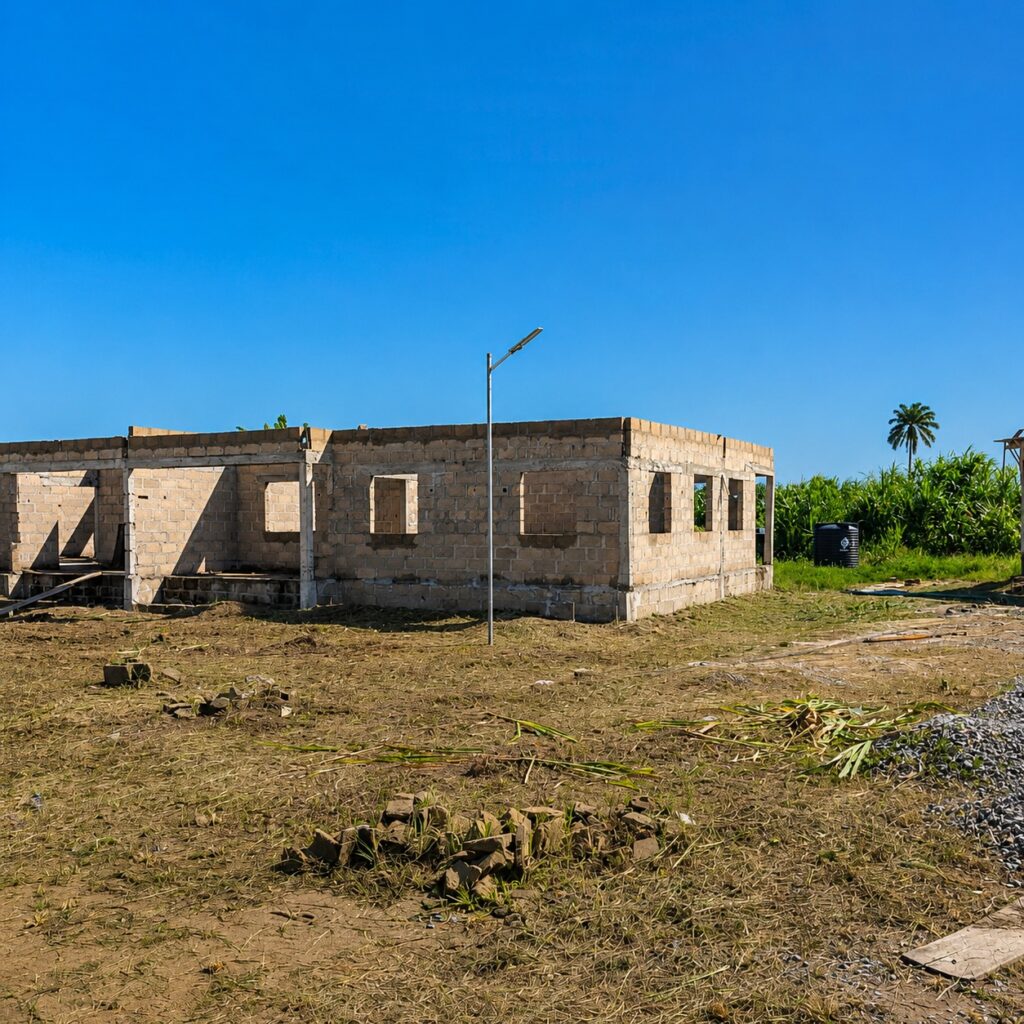
Enugu Building Collapse 2026: A Call for Stronger Regulations

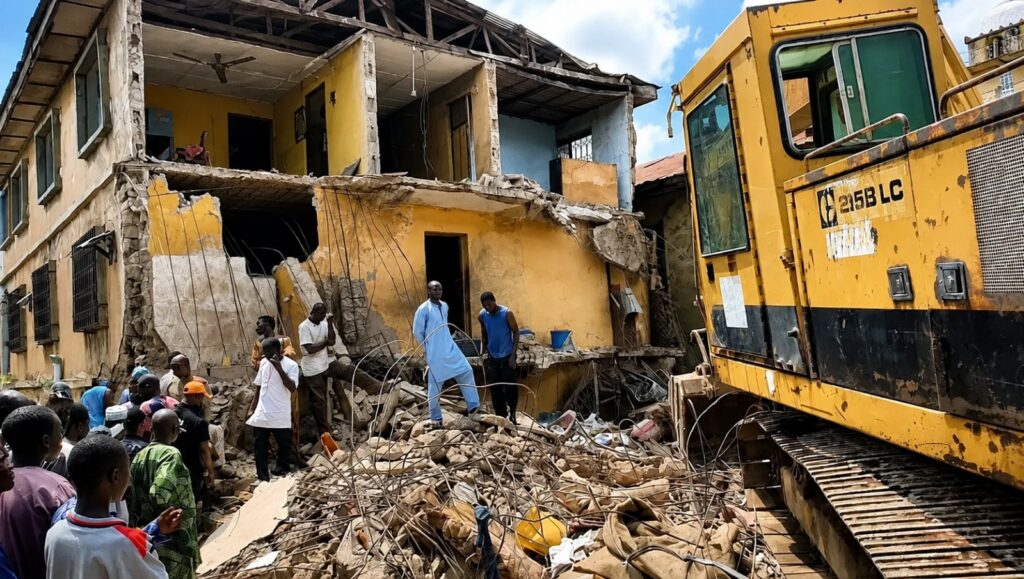
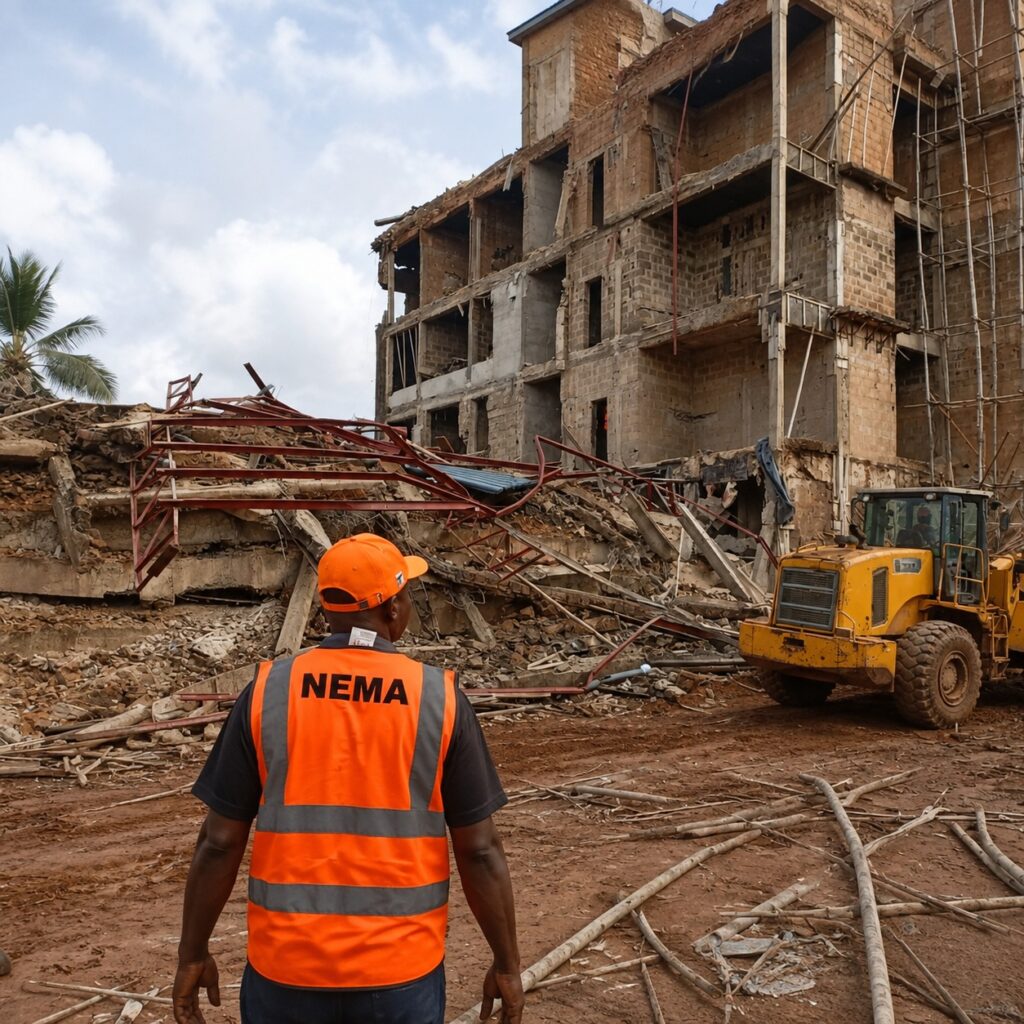
Enugu Building Collapse 2026: A Call for Stronger Regulations Another building collapse in Nigeria has brought the country’s construction safety standards back into the spotlight. On 13 September 2026, a four-storey building under construction in Independence Layout, Enugu, collapsed. Reports indicate workers were on site when the structure collapsed in the morning. Four people were rescued, while one body was recovered, according to Channels Television. Rescue and emergency agencies, including NEMA, the Red Cross, SEMA, the Enugu State Capital Territory Development Authority and the police, were involved in the response. The precise cause of the collapse has not yet been established publicly, and investigations are underway. But the incident raises a much bigger question: Why do building failures continue to occur when Nigeria already has building standards, professional requirements and regulatory approval processes? The Real Problem Is Bigger Than One Collapsed Building It would be premature to assign responsibility for the Enugu collapse before the investigation is completed. However, the incident comes against a broader background of concerns about construction practices in Nigeria. Earlier in March 2026, the Nigerian Institute of Building (NIOB) warned about the increasing number of building collapses and linked many investigated cases to factors including poor construction management, substandard materials, inadequate professional supervision and the involvement of unqualified personnel. This means the conversation should not end when the rubble is cleared. The industry needs to examine how buildings are designed, approved, constructed, supervised and inspected. Four Areas That Demand Greater Attention 1. Building Approval Must Mean More Than Paperwork Obtaining approval for a building plan is an important part of construction, but approval should not be treated as the end of regulatory responsibility. A building needs to remain compliant throughout construction. Research examining building regulation in Enugu found weaknesses in local planning authorities’ ability to properly scrutinize drawings and monitor compliance during construction. The study identified inadequate staffing, insufficient professional involvement and weak enforcement as important issues. The lesson is straightforward: Approval alone is not enough. 2. Professional Supervision Cannot Be Optional Construction is a coordinated technical process. Architects, structural engineers, builders, quantity surveyors, geotechnical professionals and other relevant specialists each have important roles to play. The involvement of qualified professionals helps ensure that: Structural designs are properly developed. Materials meet specified standards. Construction follows approved drawings. Foundation decisions reflect site conditions. Structural elements are properly executed. Problems are identified before they become failures. Cutting professional supervision may reduce costs in the short term, but getting construction wrong can have catastrophic consequences. 3. Material Quality Matters A building is only as reliable as the materials and workmanship used to construct it. Cement, reinforcement steel, concrete aggregates, blocks and other materials must meet appropriate specifications and be used correctly. A 2026 study examining building collapse cases in Nigeria identified substandard construction materials as the largest reported category among the causes examined, followed by failures in geotechnical investigation and poor or non-professional design. The study also identified inadequate supervision, poor workmanship and non-compliance with building regulations among contributing factors. This reinforces an important principle: Construction quality should never be sacrificed for short-term savings. 4. Enforcement Must Happen Before Disaster Perhaps the most important question is not simply: “Who is responsible after a building collapses?” It should be: “What could have been detected before the collapse?” Effective enforcement should identify unsafe construction while a project is still in progress. That means regulatory authorities need adequate technical personnel, effective inspection systems and the willingness to stop work where serious violations are discovered. Research on Enugu’s planning authorities has previously found gaps in site monitoring and enforcement of building regulations. Building Safety Starts Before the Foundation Preventing building collapse requires a process that begins long before pouring concrete. Before Construction A responsible project should involve: Proper architectural and structural design Appropriate soil/geotechnical investigation Relevant statutory approvals Qualified professionals Proper construction specifications Realistic project planning During Construction There should be: Professional supervision Quality material control Compliance with approved drawings Proper reinforcement detailing Correct concrete practices Regular inspections Proper documentation of construction activities Before Occupancy The completed structure should undergo the necessary inspections, tests and certifications required by the relevant authorities and professionals. The Cost of Cutting Corners Construction shortcuts can appear financially attractive. Using cheaper materials, reducing professional supervision, or ignoring required procedures may initially reduce project expenditure. But the cost of failure can be enormous. A building collapse can result in: Loss of life → Property destruction → Financial loss → Legal consequences → Displacement → Loss of public confidence No construction saving is worth that price. What the Enugu Collapse Should Teach Us The 2026 Enugu incident should not become another headline that disappears after the rescue operation ends. It should become an opportunity to ask difficult but necessary questions about Nigeria’s construction industry. Are approved building plans being followed? Are qualified professionals genuinely supervising construction? Are materials being tested and properly specified? Are site inspections frequent and effective? Are unsafe projects being stopped before they become disasters? And when violations occur, are sanctions strong enough to discourage repetition? These questions require answers from developers, contractors, professionals, and regulatory authorities alike. A Safer Construction Industry Requires Shared Responsibility Government agencies must enforce regulations. Professionals must uphold technical standards. Developers must fund projects properly and engage qualified experts. Contractors must execute work according to approved specifications. Property owners have a responsibility to avoid compromising safety to save money. Building safety is therefore not the responsibility of one person or institution. It is a shared responsibility. Conclusion The Enugu building collapse of September 2026 is a painful reminder that construction safety cannot be treated casually. While investigations will determine the specific circumstances of this collapse, the broader industry must keep addressing the issues repeatedly linked to building failures in Nigeria: poor materials, inadequate supervision, weak compliance, poor workmanship, and ineffective enforcement. Nigeria does not lack building regulations. The greater challenge is ensuring that those standards are consistently followed, monitored and enforced. Every building project represents more than concrete, steel and blocks. It represents people’s lives, investments and

Enugu Building Collapse 2026: A Call for Stronger Regulations Read More »
How to Build a Home in Nigeria Without Overspending on Cement

How to Build a Home in Nigeria Without Breaking the Bank Amid Rising Cement Costs

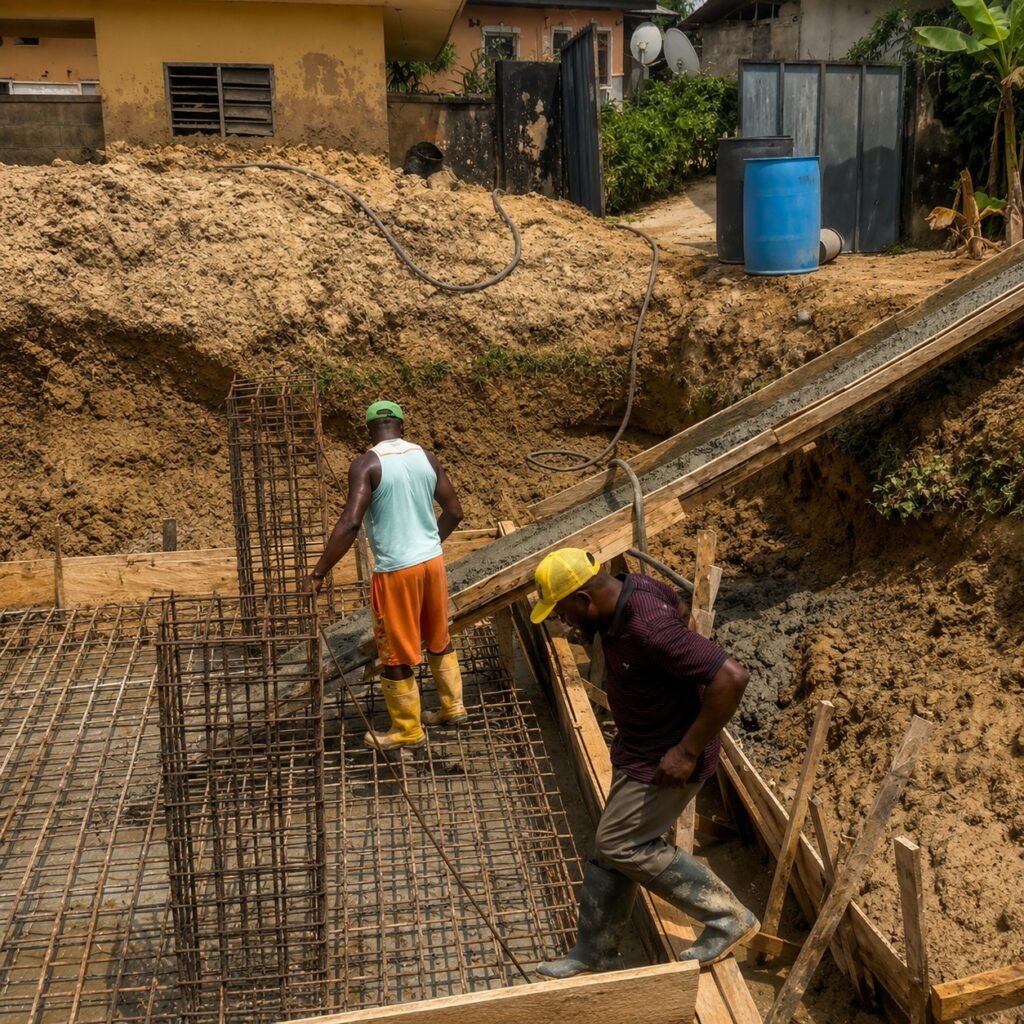
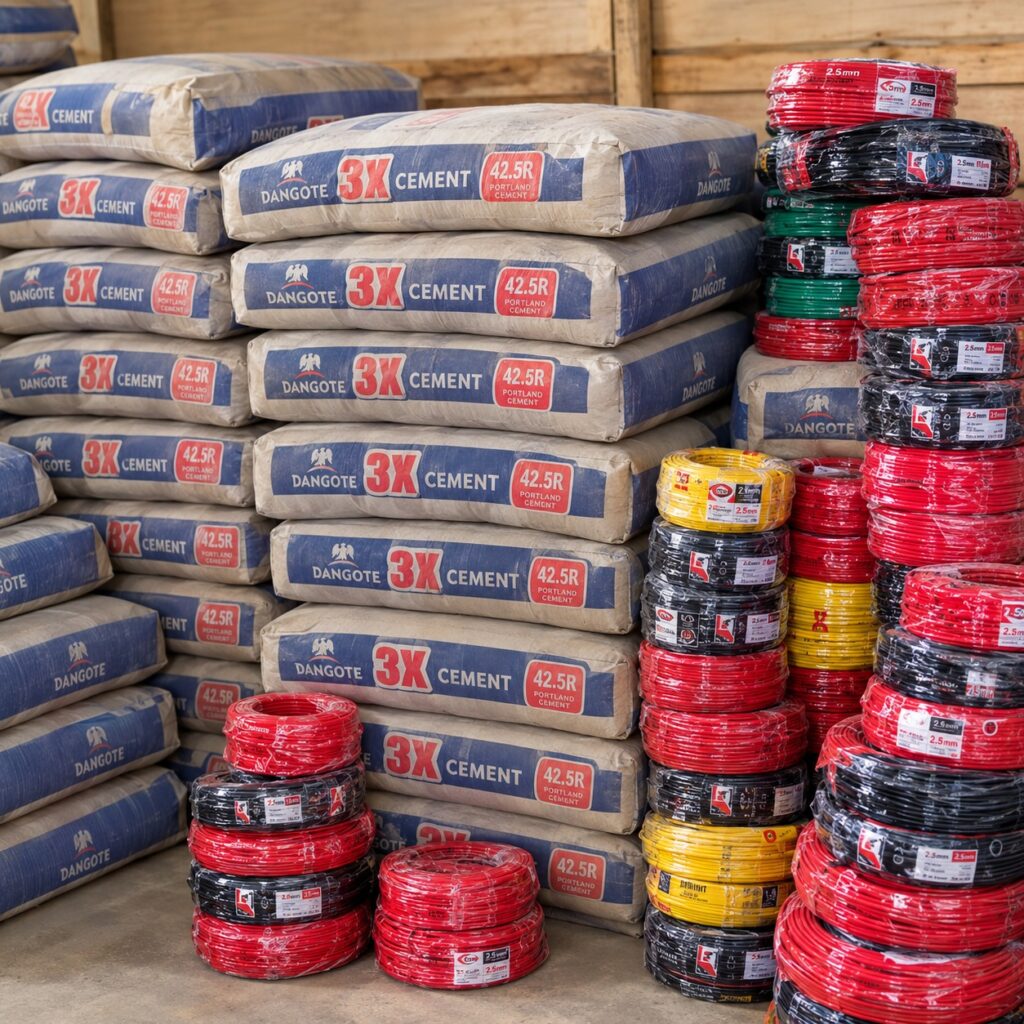
How to Build a Home in Nigeria Without Breaking the Bank Amid Rising Cement Costs Building a home in Nigeria has become increasingly difficult for many families. The cost of land, labour, roofing materials, reinforcement steel, plumbing fittings, electrical components, transportation, and finishing materials continues to place pressure on construction budgets. However, one material has become the clearest symbol of the affordability crisis: cement. In several Nigerian cities, the price of a 50kg bag of cement has been reported at between ₦12,500 and ₦15,000, with some locations recording prices above ₦15,000. The Federal Competition and Consumer Protection Commission has also opened an industry-wide investigation into possible price manipulation, citing concerns about Nigeria’s comparatively high cement prices despite its large production capacity and reported surplus over domestic demand. (FCCPC) The price difference becomes more striking when compared with other African markets. Recent reports place the price of a 50kg bag at approximately ₦6,000–₦7,000 in South Africa, ₦4,000–₦5,000 in Egypt, ₦6,500–₦7,500 in Kenya, and ₦7,000–₦8,000 in Ghana. These figures vary according to exchange rates, location, transport, taxes, brand, and market conditions, but they illustrate the pressure Nigerian builders are currently facing. (ANNAHDA) For anyone planning to build, the answer is not to abandon the project or compromise the strength of the structure. The better approach is to build more intelligently through efficient design, responsible material selection, careful purchasing, strong supervision, and a realistic phased construction plan. Why Rising Cement Prices Affect the Entire Building Process Cement is used in many parts of a typical building project. It is required for concrete, foundations, columns, beams, slabs, block production, plastering, screeding, tiling, drainage works, and several other construction activities. This means that a price increase does not affect only one line in the budget. It can raise the cost of multiple stages simultaneously. For example, a homeowner may experience higher expenses during: Foundation construction Floor slabs Reinforced concrete works Blockwork Rendering and plastering External drainage Walkways and paved areas Fence construction Repairs and corrections The effect is especially serious when the building design uses excessive concrete, has a large number of internal walls, includes unnecessary structural complexity, or is poorly coordinated before construction begins. A project that is not properly planned may also waste cement through inaccurate measurements, poor storage, rejected work, unnecessary breakages, and repeated construction corrections. When cement is expensive, every bag wasted becomes a direct cost to the homeowner. Start With an Efficient Building Design One of the most effective ways to reduce construction costs is to make better decisions before work begins. A well-designed house is not necessarily the one with the most rooms, the largest floor area, or the most complicated roof. It is a building that uses space effectively, responds to the site, and delivers the required comfort without unnecessary structural and material demands. An efficient design can help reduce cement consumption by: Limiting unnecessary wall divisions Reducing complicated roof forms Avoiding excessive projections and cantilevers Using practical room dimensions Grouping wet areas such as kitchens and bathrooms Reducing unnecessary changes in floor levels Creating a compact building footprint Coordinating structural and architectural drawings When bathrooms, kitchens, and utility spaces are positioned close to one another, plumbing routes can become shorter and more economical. A simpler building shape can also reduce the amount of foundation, blockwork, concrete, roofing, and external finishing required. This does not mean every home should look the same. It means the design should be intentional. Every extra corner, wall, level change, balcony, and decorative feature should have a clear purpose and should be considered against its additional cost. Avoid Building More House Than You Can Afford Many homeowners begin with an ambitious design but an unrealistic budget. The result is often a stalled project, incomplete finishing, or pressure to reduce quality at later stages. A more practical approach is to design according to the available budget and future plans. For example, a homeowner may decide to begin with: A two-bedroom or three-bedroom home A compact bungalow A modest duplex shell A completed ground floor with provision for future expansion A smaller house with a well-planned extension strategy The objective is not to build an inferior home. The objective is to create a structurally sound and functional home that can be expanded when finances improve. A smaller completed home is usually more useful than a large structure that remains unfinished for years. It may also reduce exposure to future price increases, vandalism, deterioration, and changing construction conditions. Use Alternative Materials Responsibly Alternative building materials can help reduce the quantity of cement and other conventional materials required, but they must be selected carefully. Depending on the project, location, design, and availability, alternatives may include: Stabilised earth blocks Interlocking blocks Laterite-based wall systems Lightweight blocks Precast components Fibre-cement boards Alternative ceiling systems Recycled or locally sourced finishes Paving solutions that reduce cast-in-place concrete These materials are not automatically suitable for every part of a building. Structural elements such as foundations, columns, beams, and slabs must be designed and executed according to engineering requirements. The important point is that alternative materials should not be treated as shortcuts. Their suitability must be assessed by qualified professionals, especially in relation to: Strength Moisture resistance Durability Fire performance Thermal comfort Availability Maintenance Compatibility with other materials Local building regulations A material can be cheaper to purchase but more expensive to maintain if it is poorly selected or badly installed. The goal is to reduce total lifecycle cost, not simply the price of the first delivery. Consider Interlocking and Precast Solutions Interlocking blocks and precast components may offer construction advantages in appropriate situations. Some systems can reduce mortar usage, improve speed, minimize waste, and create more consistent dimensions. Precast elements can also help reduce the amount of work performed on-site. Depending on the design, they may support faster installation and better quality control. However, the decision to use such systems should consider: Availability in the project location Transport requirements Skilled installation Structural design Replacement and repair options Local contractor experience Material

How to Build a Home in Nigeria Without Breaking the Bank Amid Rising Cement Costs Read More »

Kwara Building Collapse: Understanding Construction Risks

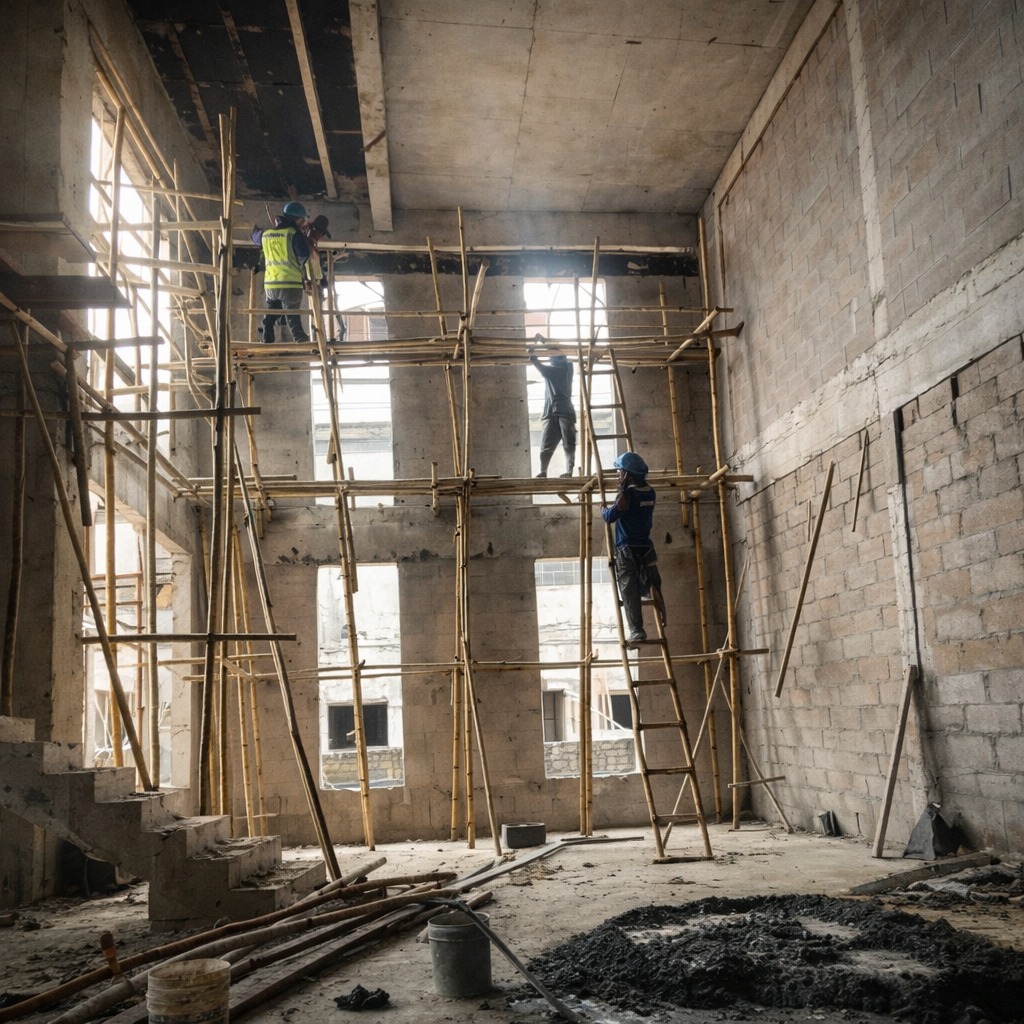
Kwara Building Collapse: Understanding Construction Risks The recent collapse of a two-story building in the Popo Giwa area of Ilorin, Kwara State, has once again highlighted the urgent need for safer construction practices in Nigeria. Reports published on September 1, 2026, stated that four people died after the building collapsed, while members of a family were trapped inside the structure. Authorities also referenced reported leakages around the toilet area, although a full technical investigation is required before the definitive cause can be established. TheCable +1 Every building collapse is more than a construction failure. It is a human tragedy, a financial loss and a painful reminder that shortcuts taken during design or construction can have devastating consequences. At Petik, we believe that a building should be more than beautiful. It should be properly planned, structurally sound, and built to serve its purpose safely for years to come. 1. Poor Structural Design Every building must be designed for its purpose, size, location, soil conditions, and expected load. Collapse may occur when: Structural calculations are incomplete. Building plans are changed without professional review. Extra floors are added without approval. The foundation is unsuitable for the soil. Architectural and structural drawings do not match. A strong building begins with a carefully prepared design. 2. Substandard Building Materials The quality of construction materials directly affects a building’s strength and durability. Common problems include: Weak concrete blocks. Poor-quality cement. Undersized reinforcement bars. Poorly graded sand and aggregates. Incorrect concrete mixtures. Substandard roofing or steel materials. Choosing cheap materials may reduce initial costs, but it can result in expensive repairs, property loss, and serious safety risks. 3. Inadequate Foundation and Soil Investigation The foundation supports the entire building. If it is poorly designed or built, the structure may crack, settle, or become unstable. Before construction begins, professionals should assess soil type, the water table, drainage conditions, building weight, and erosion risk. A foundation suitable for one location may not suit another. 4. Poor Workmanship A good design can still fail when construction work is poorly executed. Examples include: Incorrect placement of reinforcement. Weak concrete mixing. Poor block laying. Inadequate concrete curing. Weak connections between beams, columns and slabs. Improper roofing or drainage installation. Skilled workers should always handle construction under proper professional supervision. 5. Lack of Professional Supervision Qualified professionals help ensure that construction follows approved drawings and specifications. They inspect materials, monitor critical construction stages, and identify defects early. Architects, structural engineers, builders, quantity surveyors, and other specialists must work together to deliver a safe, durable building. 6. Unapproved Alterations Adding another floor, removing load-bearing walls, extending balconies or changing a building’s use without professional approval can weaken the structure. The appropriate professionals should review and approve all major changes before construction begins. 7. Poor Drainage and Water Damage Water can weaken the soil, damage foundations and cause reinforcement bars to rust. Proper plumbing, waterproofing, gutters and drainage systems are essential. Never ignore persistent leaks, exposed foundations, or waterlogged areas around a building. 8. Pressure to Cut Costs Cost management is important, but safety should not be sacrificed. Poorly managed cost-cutting may lead to unqualified contractors, reduced reinforcement, skipped testing and inadequate supervision. The best approach is to control costs while maintaining approved construction standards. How Petik Helps Build Safer Properties Petik promotes safer construction through proper planning, professional coordination, quality control and accountability. Proper Planning Every project should begin with a clear understanding of the client’s needs, site conditions, budget, building design and construction schedule. Proper planning helps reduce errors, delays and unnecessary costs. Qualified Professionals Petik works with the relevant professionals required for each project, including architects, structural engineers, builders, quantity surveyors, surveyors and other technical specialists. Quality Materials Materials should come from reliable suppliers and be checked to ensure they meet the project specifications. This includes cement, blocks, reinforcement bars, aggregates, roofing materials and other essential components. Construction Monitoring Important stages such as foundation work, reinforcement placement, concrete pouring, waterproofing and drainage installation require careful inspection before they are covered or completed. Accountability and Documentation Clear contracts, approved drawings, site reports, documented changes and quality-control records help ensure transparency throughout the project. Long-Term Building Maintenance Building safety doesn’t end when construction is complete. Regular inspections of roofs, plumbing, drainage systems, walls, foundations and other structural elements are essential. Warning Signs Property Owners Should Not Ignore Seek professional advice when you notice: Large or widening cracks. Cracks in beams, columns or slabs. Uneven floors. Sticking doors and windows. Persistent water leakage. Rust stains on concrete. Sagging ceilings or roofs. Exposed foundations. Significant settlement or tilting. Not every crack indicates an imminent collapse, but every unusual structural change deserves professional assessment. Safer Construction Is a Shared Responsibility Preventing building collapse requires cooperation between property owners, developers, contractors, professionals and regulators. At Petik, the goal is not just to complete a building, but to create a property that is properly planned, carefully constructed and built to inspire confidence. Build with Confidence. Build with Petik. Every foundation, reinforcement bar, concrete mix, and inspection matters. With proper planning, quality materials and professional supervision, safer buildings are possible. Choose Petik for construction built on quality, accountability and trust. Most Recent Posts All Posts African Culture Architectural Design Best Builders building with purpose Client Stories Concrete works Nigeria Construction construction craftsmanship Construction Education construction Nigeria Eco-friendly construction Green building Nigeria Heritage Travel Hot House for Rent House for sale inclusive building design Insider Land For Sale Marketing Plan New Buildings News Petik Projects Project Management Property Property Investment quality construction company Nigeria Real Estate Real Estate Updates Structural Engineering Structural steel Nigeria Sustainable Building Sustainable building Nigeria Sustainable Growth & Shortlet ROI Test Category Trust & Transparency Trusted builders Nigeria Kwara Building Collapse: Understanding Construction Risks Osogbo Shortlets: A High-Yield Investment Opportunity 5 Warning Signs to Watch for Before Signing a Building Contract in Nigeria Categories Architectural Design (10) Best Builders (25) building with purpose (14) Client Stories (1) Concrete works Nigeria (13) Construction (22) construction craftsmanship (9) Construction Education (1) construction Nigeria (9) Eco-friendly construction (2) Green building

Kwara Building Collapse: Understanding Construction Risks Read More »

5 Warning Signs to Watch for Before Signing a Building Contract in Nigeria

5 Warning Signs to Watch for Before Signing a Building Contract in Nigeria Introduction Building a residential or commercial property is a major investment. Whether you are constructing your family home, developing rental apartments, building an office, or investing in a commercial property, the success of the project depends heavily on the contractor you choose. A good contractor should provide more than construction labour. You need a partner who understands project planning, budgeting, materials, timelines, quality control, safety, and communication. Unfortunately, not every contractor operates with the same level of professionalism. Choosing an unverified or poorly managed contractor can lead to abandoned construction sites, escalating costs, poor workmanship, construction delays, material substitution and serious financial losses. In extreme cases, poor construction practices can also compromise the building’s structural safety. One of the best ways to protect yourself is to identify potential problems before you sign the contract or release significant funds. Here are five important contractor red flags every property owner in Nigeria should watch for. 1. Vague or Non-Itemized Estimates One of the first warning signs is a contractor who gives you a large lump-sum figure without explaining exactly what the money covers. For example, being told: “The entire building will cost ₦X million.” may sound straightforward, but it does not give you enough information to properly evaluate the proposal. A professional construction estimate should provide reasonable detail about the expected scope and costs of the project. What should you look for? Depending on the project, an estimate may include information about: Materials Labour Quantities Material specifications Equipment Transportation Site preparation Professional fees Project management Finishing Allowances for specified items Other agreed project costs The clearer the costs are documented, the easier it is to understand where your money is going. Why vague estimates are risky A vague quotation can create disagreements later. A contractor may claim that certain work was not included in the original price, leading to repeated requests for additional payments. This can make it difficult for the property owner to distinguish between legitimate variations and unexpected cost increases. What to do Before signing, ask the contractor to provide a clear, sufficiently detailed quotation or bill of quantities appropriate to the size and nature of the project. Make sure you understand what is included, what is excluded and how variations will be handled. 2. Refusing or Hesitating to Sign a Formal Contract A construction project should not depend entirely on verbal promises. If a contractor is reluctant to put the agreement in writing, consider it a serious warning sign. A properly prepared building contract creates a shared understanding between the property owner and contractor about the project’s expectations. Your contract should address important areas such as: Project scope Construction specifications Responsibilities of each party Project commencement date Expected completion timeline Payment structure Project milestones Quality standards Materials and specifications Change or variation procedures Defect correction Warranties where applicable Dispute resolution Termination conditions Health and safety responsibilities The exact terms should suit the project and be reviewed by the relevant professionals. Why verbal agreements can become problematic Imagine that you and a contractor verbally agree that the project will be completed within eight months. Six months later, the project is significantly behind schedule. Without a clear written agreement defining the timeline, responsibilities, and consequences of delays, resolving the disagreement becomes much harder. A professional contractor should welcome clarity A formal contract is not designed to create conflict. It is designed to prevent misunderstandings before they occur. If a contractor says, “We don’t need a contract; just trust me,” you should take a step back and reconsider. 3. Demanding 100% Payment Upfront Another major red flag is a contractor who insists on receiving the entire project payment before meaningful work begins. Construction projects typically involve multiple stages, materials, labor, and measurable progress. For many projects, a milestone-based payment structure provides greater accountability because payments can be linked to agreed stages of work. Why full upfront payment is risky Once a contractor has received the entire project budget, the property owner may have significantly less leverage if: Work slows down The contractor becomes unresponsive Materials are not purchased as promised The project is abandoned The scope changes Quality deteriorates The contractor experiences financial problems A better approach Where appropriate, structure payments around clearly defined milestones. For example, payments may be linked to agreed stages such as: Project mobilisation → Foundation → Structural works → Roofing → MEP installations → Finishing → Completion The specific structure should be determined by the project’s scope, contract terms and professional advice. Remember Payment should be connected to performance, not simply promises. A transparent contractor should be willing to discuss a payment structure that gives both parties clarity and accountability. 4. Poor or Unclear Material Quality Control The materials used in construction directly affect a building’s durability, functionality, and safety. If a contractor is vague about material specifications or seems willing to substitute materials without approval, raise concerns. Construction is not simply about making a building look good. What happens beneath the surface matters just as much. Important materials can include: Cement Concrete Reinforcement steel Blocks Sand Aggregates Timber Roofing materials Electrical components Plumbing materials Doors and windows Finishing materials The right specifications depend on the project’s design and engineering requirements. Why quality control matters Poor-quality or unsuitable materials can contribute to: Cracking Water penetration Premature deterioration Plumbing failures Electrical problems Structural problems Expensive repairs For structural components in particular, materials should meet the requirements specified by the project’s engineers and applicable standards. Be careful with unauthorized substitutions Suppose your building specification calls for a particular grade or type of material.  A contractor should not simply substitute a cheaper alternative without appropriate approval. Cost-saving should never come at the expense of quality or safety. Ask about quality control Before signing a contract, ask: What material specifications will be used? Who approves material substitutions? How will materials be inspected? Are relevant tests required? Who supervises construction quality? How will defective work be handled? A professional

5 Warning Signs to Watch for Before Signing a Building Contract in Nigeria Read More »

What ₦15 Million Actually Buys You in Nigerian Construction Today: A Full Cost Breakdown

What ₦15 Million Actually Buys You in Nigerian Construction Today: A Full Cost Breakdown One of the biggest challenges facing private property developers in Nigeria is uncertainty around construction costs. A project may begin with a seemingly manageable budget, only for expenses to increase as construction progresses. Unexpected increases in material prices, changes in specifications, additional labor requirements, poor initial planning, and unclear contractor quotations can all place pressure on a project’s finances. This is why understanding how a construction budget is allocated before work begins is essential. For illustration, consider a ₦15 million residential construction budget. While the exact figures will depend on the location, size, design, specification, market conditions, and stage of construction, the budget can be broadly divided into three major areas: building materials, skilled labor, and professional/project management costs. The figures below should therefore be treated as a planning framework rather than a fixed quotation or current market price. Where Does ₦15 Million Go? A well-planned residential construction budget generally needs to account for more than cement, blocks, and labor. Professional services, approvals, supervision, transportation, and other project-related expenses can also affect the total cost. A simplified allocation of the ₦15 million budget could look like this: 1. Building Materials — 55% to 60% Approximately ₦8.25 million to ₦9 million could be allocated toward core construction materials, depending on the project’s specifications. This category may include: Sandcrete blocks and cement Reinforcement steel and other structural materials Granite, sharp sand, and other aggregates Timber and roofing materials Electrical conduits and accessories Plumbing pipes and fittings Masonry materials Other materials required for the relevant stage of construction Material costs can represent one of the largest portions of a construction budget. Prices may also change during a project, making proper procurement planning particularly important. The quality and specification of materials should also be clearly established before construction begins. A low-cost material may reduce the immediate expense but could create quality or maintenance problems later. 2. Skilled Labor and Artisans — 25% to 30% Approximately ₦3.75 million to ₦4.5 million could be allocated toward skilled labor and site operations. Depending on the project stage, this may cover: Masons Iron benders Carpenters Plumbers Electricians Tilers Painters Machine operators Site clearing teams General laborers Labor costs can vary significantly depending on location, project complexity, skill level, and whether workers are paid daily, weekly, or based on specific tasks. Using experienced artisans and establishing clear scopes of work can help reduce avoidable rework and improve productivity on site. 3. Professional Services, Approvals and Project Management — 10% to 15% Approximately ₦1.5 million to ₦2.25 million could be allocated to professional and project-management-related expenses. Depending on the project, this may include: Architectural drawings Structural engineering Engineering reviews Building approvals and permits Site supervision Quality-control inspections Project coordination Construction management Other professional services These costs are sometimes overlooked when property owners prepare their initial budgets. However, professional oversight can play an important role in ensuring that construction follows the approved design and required standards. What Does This Mean for the Property Owner? A ₦15 million construction budget does not simply mean spending ₦15 million on physical materials. A significant portion of the budget goes into the people, expertise, planning, supervision, and processes required to turn a design into a completed building. For example, allocating the entire budget toward materials without accounting for professional services and labor can create a situation where construction begins successfully but later runs out of funding. Good construction planning therefore starts with understanding the complete project cost, rather than focusing on individual material prices. Why a Bill of Quantities Matters One of the most important documents in a properly planned construction project is the Bill of Quantities (BOQ). A BOQ provides a structured breakdown of the work and materials required for a project. It can help the property owner understand what is being purchased, the quantities involved, and the associated costs. Before committing substantial funds to construction, property owners should seek a properly prepared cost estimate or BOQ that reflects the actual project design and specifications. This provides a clearer basis for comparing quotations and identifying significant changes in cost. Avoiding Mid-Project Financial Surprises Construction costs can change. Material prices may rise, designs may be modified, site conditions may differ from initial expectations, and clients may decide to upgrade specifications during construction. However, good planning can reduce unnecessary surprises. A well-structured construction agreement should clearly establish: The scope of work Materials and specifications Payment milestones Responsibilities of each party Project timelines Variation procedures Quality expectations Supervision arrangements Milestone-based payments can also help property owners monitor progress before releasing funds for subsequent stages. Transparency Starts Before Construction For a construction company, transparency should begin before the first block is laid. Property owners should understand what their money is paying for, what is included in the quotation, what may constitute an additional cost, and how changes to the project will be handled. At Petik Limited, the objective is to approach construction with proper planning, structured execution, and clear communication so that clients have a better understanding of their projects from the beginning. Final Thoughts A ₦15 million construction budget can provide a useful starting point for understanding how construction expenses are distributed, but it should never be treated as a universal price for building a house in Nigeria. The actual cost will depend on factors such as location, land conditions, building size, architectural design, material specifications, labor costs, finishing standards, approvals, and prevailing market prices. The most important lesson is therefore not simply how much ₦15 million can buy. It is the importance of planning every naira before construction begins. A clear scope of work, realistic budget, properly prepared BOQ, professional supervision, and transparent communication can give property owners greater control over their construction projects and help reduce avoidable financial surprises. Planning properly today can make the difference between a project that stalls halfway and one that progresses confidently toward completion. Most Recent Posts All Posts African Culture Architectural Design Best Builders

What ₦15 Million Actually Buys You in Nigerian Construction Today: A Full Cost Breakdown Read More »

How to Build a House in Nigeria in 30 Days Without Cutting Corners

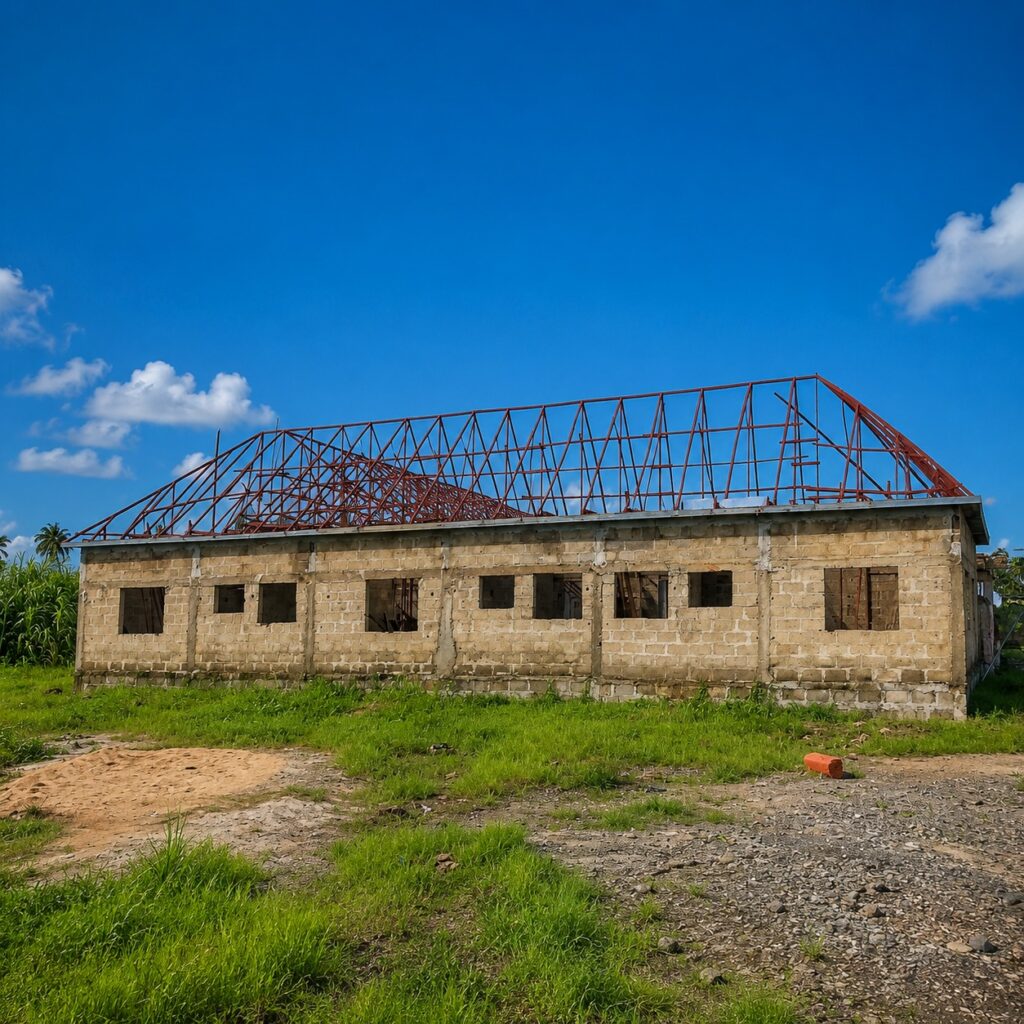
How to Build a House in Nigeria in 30 Days Without Cutting Corners Introduction Speed in construction is often misunderstood. Many home buyers and real estate investors assume that completing a building project quickly in Nigeria means cutting corners, using substandard materials, or risking structural integrity. In reality, fast construction is not about rushing—it is the direct result of meticulous planning, early material logistics, and strict engineering discipline. When execution is backed by proper systems and expert site management, taking a project from bare land to a fully standing structure within 30 days is not only achievable but also safe and predictable. The 30-Day Construction Timeline A well-structured construction process follows a clear, milestone-driven timeline: Days 1–7: Site Clearing, Earthworks & Excavation Days 8–15: Substructure Concrete Works & Curing Days 16–23: Superstructure Blockwork to Lintel Level Days 24–30: Roof Framing & Full Roofing Installation The 30-Day Execution Breakdown Achieving rapid construction progress requires a synchronized workflow where each phase delivers a non-negotiable structural milestone. Days 1–7: Site Clearing & Foundation Excavation This phase begins with accurate setting out of the building layout, followed by clearing of topsoil and excavation of foundation trenches. Blind concrete is then poured to create a stable base for structural work. Days 8–15: Substructure & Concrete Works High-tensile steel reinforcement is installed, formwork is properly set, and foundation footings are poured. Concrete curing is carried out according to standard engineering specifications to ensure long-term durability. Days 16–23: Superstructure Blockwork Sandcrete block walls are raised efficiently up to lintel level. During this phase, strict attention is given to vertical alignment, mortar consistency, and reinforcement integration to maintain structural integrity. Days 24–30: Roofing & Structural Enclosure Roof trusses are fabricated and installed, followed by the fixing of high-quality roofing sheets. First-fix electrical and plumbing conduits are also embedded at this stage to prepare the building for finishing works. The 3 Operational Pillars Behind Safe Construction Speed Fast construction is only successful when supported by strong operational systems: 1. Proactive Material Logistics Sourcing essential materials—cement, reinforcement bars, gravel, and roofing components—well in advance prevents delays caused by supply shortages or price fluctuations. 2. Skilled Trade Management Engaging experienced professionals, including masons, steel fixers, and site engineers, ensures that every stage is executed the first time correctly, eliminating costly rework. 3. Daily Milestone Supervision Consistent on-site supervision by project managers ensures that all teams work in coordination, maintaining workflow efficiency and preventing bottlenecks. Key Takeaway Completing a building project within 30 days is not about speed alone—it is about precision, planning, and professional execution. A well-managed fast-track project minimizes labor costs, protects your budget from inflation, and allows you to occupy or monetize your property much sooner. At Petik Limited, we combine engineering discipline with efficient project management systems to deliver high-quality structures within optimized timelines—without compromising standards. Conclusion Fast construction in Nigeria is achievable when approached strategically. With the right team, proper planning, and disciplined execution, building within 30 days becomes a smart, reliable pathway to property ownership and investment growth. Whether you are building for personal use or investment purposes, choosing a structured construction partner is the key to success. Most Recent Posts All Posts African Culture Architectural Design Best Builders building with purpose Client Stories Concrete works Nigeria Construction construction craftsmanship Construction Education construction Nigeria Eco-friendly construction Green building Nigeria Heritage Travel Hot House for Rent House for sale inclusive building design Insider Land For Sale Marketing Plan New Buildings News Petik Projects Project Management Property Property Investment quality construction company Nigeria Real Estate Real Estate Updates Structural Engineering Structural steel Nigeria Sustainable Building Sustainable building Nigeria Test Category Trusted builders Nigeria How to Build a House in Nigeria in 30 Days Without Cutting Corners Fast Construction in Nigeria: How a Project Progressed in 30 Days Building a House in Nigeria Without Stress: A Real Client Story Categories African Culture (1) Architectural Design (7) Best Builders (21) building with purpose (11) Client Stories (1) Concrete works Nigeria (11) Construction (19) construction craftsmanship (9) Construction Education (1) construction Nigeria (9) Eco-friendly construction (2) Green building Nigeria (1) Heritage Travel (1) Hot (4) inclusive building design (1) Land For Sale (4) New Buildings (4) News (1) Petik Projects (14) Project Management (1) Property (1) Property Investment (2) quality construction company Nigeria (2) Real Estate (7) Real Estate Updates (7) Structural Engineering (1) Structural steel Nigeria (3) Sustainable Building (1) Sustainable building Nigeria (1) Trusted builders Nigeria (3) Tags 30-day build A House? Acquisition African Festivals Age Friendly Design Arugba Procession building contractor building contractor Lagos Building Failures Nigeria building speed building stages buy Buy A House? Buy House? Buyers Civil Works client testimonial construction company construction experience construction Nigeria construction process Damp Proofing Diaspora Real Estate diaspora real estate Nigeria Drainage Systems fast construction foundation casting Foundation First Green Construction Home home developments in Nigeria. Home Inspection house building guide house building Nigeria Inclusive Building Investing Investing In A Real Estate Property Investment Property Lagos Multi Unit Development Nigeria Nigeria Construction Nigerian Real Estate Investment Osun State Tourism Osun-Osogbo 2026 Petik Petik Builds Petik Limited Planning Project Management Quality Control Real Estate real estate development Nigeria Real Estate Investing Real Estate Investment Real Estate Nigeria Real Estate Property Reinforced Concrete reliable builders Rent Should Should I Rent Should I Rent Or Buy A House? Site Mobilization Spiritual Tourism stress free building Structural Engineering Structural Integrity Susanne Wenger Sustainable Architecture Tips Top Real Estate Companies in Lekki Tourism in Nigeria transparent construction UNESCO World Heritage Universal Design Waterproofing Wealth Building Yoruba Culture

How to Build a House in Nigeria in 30 Days Without Cutting Corners Read More »

Building a House in Nigeria Without Stress: A Real Client Story

Building a House in Nigeria Without Stress: A Real Client Story For many people, building a house in Nigeria is filled with uncertainty. Stories of inflated costs, abandoned sites, and unreliable contractors often create fear before the first block is even laid. However, with the right team and a structured approach, building your dream home can be a smooth, transparent, and deeply rewarding experience. Here is how one homeowner went from skepticism to success. Starting With Doubt: The Common Homeowner Fears When our client first approached us about their residential building project, they brought the same valid concerns that almost every Nigerian investor or diaspora homeowner carries: [ Homeowner Hesitations ] │ ┌────────────────────────┼────────────────────────┐ ▼ ▼ ▼ [ Fear of Financial ] [ Lack of Trust in ] [ Timeline & Budget ] [ Loss / Theft ] [ Contractors ] [ Overruns ] Fear of Financial Loss: The dread of paying large sums upfront with little to show for it on-site. Lack of Trust in Local Contractors: Anxiety over cheap, substandard building materials being substituted behind their backs. Uncertainty About Timelines: The expectation that a six-month project would drag out into two stressful years. These concerns are completely valid—and entirely preventable. The Turning Point: Structure and Absolute Transparency The difference between a nightmare site and a seamless project comes down to two things: professional structure and uncompromising transparency. From day one, we transformed our client’s experience through three non-negotiable principles: 1. Legally Sound Contracts & Clear Baselines Before a single shovel touched the dirt, a comprehensive project contract was signed. It clearly outlined the exact scope of work, a fixed payment schedule tied strictly to verified milestones, and detailed structural designs. 2. Pre-Approval of Materials To guarantee quality, every material—from steel rebar thickness and sandcrete block quality to wiring conduits and roofing sheets—was inspected and approved before installation. 3. Real-Time Project Tracking & Updates Distance and busy schedules should never keep a client in the dark. Through regular video walkthroughs, high-resolution photo logs, and formal weekly progress reports, the homeowner stayed informed every step of the way. The Result: A Different Kind of Construction Outcome Instead of budget blowouts, endless excuses, and site delays, the project moved forward with precision. On-Time Completion: The home was handed over ahead of schedule, completely move-in ready. Superior Quality: Uncompromised structural integrity and high-grade finishing throughout the building. Complete Peace of Mind: Most importantly, the client experienced a process that felt controlled, predictable, and entirely stress-free. Why Your Choice of Builder Matters Building a property is one of the most significant financial investments you will ever make. Your choice of contractor dictates whether that investment becomes a source of constant anxiety or a lasting source of pride. When you partner with a team committed to transparency and precision, you don’t just get a well-built house, you get peace of mind, clear communication, and reliable delivery every step of the way. Most Recent Posts All Posts African Culture Architectural Design Best Builders building with purpose Client Stories Concrete works Nigeria Construction construction craftsmanship Construction Education construction Nigeria Eco-friendly construction Green building Nigeria Heritage Travel Hot House for Rent House for sale inclusive building design Insider Land For Sale Marketing Plan New Buildings News Petik Projects Project Management Property Property Investment quality construction company Nigeria Real Estate Real Estate Updates Structural Engineering Structural steel Nigeria Sustainable Building Sustainable building Nigeria Test Category Trusted builders Nigeria Building a House in Nigeria Without Stress: A Real Client Story Construction Process in Nigeria: Step-by-Step Guide from Foundation to Finish Osun-Osogbo Festival 2026: A Complete Guide to Nigeria’s Living UNESCO Heritage Categories African Culture (1) Architectural Design (5) Best Builders (19) building with purpose (9) Client Stories (1) Concrete works Nigeria (10) Construction (18) construction craftsmanship (9) Construction Education (1) construction Nigeria (9) Eco-friendly construction (2) Green building Nigeria (1) Heritage Travel (1) Hot (4) inclusive building design (1) Land For Sale (4) New Buildings (4) News (1) Petik Projects (14) Project Management (1) Property (1) Property Investment (2) quality construction company Nigeria (2) Real Estate (7) Real Estate Updates (7) Structural Engineering (1) Structural steel Nigeria (3) Sustainable Building (1) Sustainable building Nigeria (1) Trusted builders Nigeria (3) Tags A House? Acquisition African Festivals Age Friendly Design Arugba Procession building contractor building contractor Lagos Building Failures Nigeria building stages buy Buy A House? Buy House? Buyers Civil Works client testimonial construction company construction experience construction Nigeria construction process Damp Proofing Diaspora Real Estate diaspora real estate Nigeria Drainage Systems foundation casting Foundation First Green Construction Home home developments in Nigeria. Home Inspection house building guide house building Nigeria Inclusive Building Investing Investing In A Real Estate Property Investment Property Lagos Multi Unit Development Nigeria Nigeria Construction Nigerian Real Estate Investment Osun State Tourism Osun-Osogbo 2026 Petik Petik Builds Petik Limited Planning Project Management Quality Control Real Estate real estate development Nigeria Real Estate Investing Real Estate Investment Real Estate Nigeria Real Estate Property Reinforced Concrete reliable builders Rent Should Should I Rent Should I Rent Or Buy A House? Site Mobilization Spiritual Tourism stress free building Structural Engineering Structural Integrity Susanne Wenger Sustainable Architecture Tips Top Real Estate Companies in Lekki Tourism in Nigeria transparent construction UNESCO World Heritage Universal Design Waterproofing Wealth Building Yoruba Culture

Building a House in Nigeria Without Stress: A Real Client Story Read More »

Reliable Construction Company in Nigeria: What Showing Up Really Means

Reliable Construction Company in Nigeria: What Showing Up Really Means In Nigeria’s construction industry, one phrase is used far too often: “We’ll deliver.” Unfortunately, a massive gap usually exists between that initial handshake and the actual reality on the ground. Many property owners, particularly those in the diaspora, have experienced the nightmare of delayed timelines, abandoned sites, inflated material costs, or poor-quality work that requires expensive corrections. This is why choosing a reliable construction company in Nigeria is the single most critical decision you will make when starting a building project. True reliability is not a marketing catchphrase; it is a system of discipline, engineering precision, and accountability. Let’s break down what “showing up” really means when executing a construction project. 1. Showing Up from Day One: Effective Site Mobilization Reliability starts long before the first bag of cement is mixed or the first block is laid. Far too many projects stall at the paperwork stage because contractors lack the organizational capability to transition from planning to execution. A dependable building contractor ensures: Immediate Site Mobilization: Deploying security, temporary perimeter fencing, and essential machinery to the plot the moment the contract is activated. Clear Project Planning and Scheduling: Laying out a transparent, milestone-by-milestone schedule (e.g., Gantt charts) so you know exactly when the foundation, framing, and roofing phases will begin and end. Early-Stage Execution Without Delays: Moving from site clearing to foundation marking with absolute intention and speed, taking full advantage of favorable weather windows. At Petik, we believe that a project’s momentum is established in its very first week. Our team moves rapidly from blueprints to physical action, ensuring your capital is immediately put to work on-site rather than sitting idle. 2. Consistency Over Empty Promises: Sustaining the Momentum Many contractors begin a project with high energy but quickly lose steam. You might see a site buzzing with twenty laborers during the first week, only for it to become a ghost town by week three. Consistency is what separates professional construction companies from erratic, unvetted builders. True consistency requires: Daily On-Site Activity: Maintaining a steady, scheduled presence of skilled craftsmen, masons, and supervisors every single day until a milestone is met. Structured Workflow Management: Ensuring building materials are procured and delivered to the site before they are needed, eliminating downtime caused by supply chain delays. Continuous, Rigorous Supervision: Having site engineers physically present to oversee material mixing ratios, structural alignment, and safety protocols. When work progresses steadily without sudden, unexplained halts, projects are completed significantly faster, keeping labor costs controlled and maximizing structural efficiency. 3. Transparency Builds Confidence: Communication is Key Building a property can be an emotionally and financially stressful journey—especially if you are managing the project remotely. Poor communication from a builder breeds suspicion, and rightfully so. A reliable construction company removes the anxiety of the unknown by providing absolute transparency: Comprehensive Written Agreements: Clear, detailed contracts that outline the exact scope of work, material specifications, and payment terms, leaving zero room for hidden fees. Regular, Data-Driven Updates: Providing weekly or bi-weekly progress reports complete with high-definition photos, videos, and milestone trackers. Clear Visibility Into Materials and Processes: Giving you a transparent breakdown of the quality, brands, and quantities of steel, cement, and finishes being utilized on your structure. This open approach ensures you are never left wondering where your money went or what is happening on your land. It shifts the relationship from a stressful transaction to a confident partnership. Why True Reliability Matters for Your Project When you partner with a disciplined, systems-driven construction company like Petik, you are protecting your investment from the risks that plague the Nigerian building sector. The benefits of true reliability include: Timely Project Delivery: Avoiding the compounding holding costs that come with years of delayed handovers. Controlled, Predictable Costs: Staying within your budgeted figures instead of dealing with constant, artificial material inflation requests. High-Quality, Structural Integrity: Building a structure that adheres strictly to the Nigerian Society of Engineers ($NSE$) standards, preserving your asset’s value for generations. In contrast, cutting corners with unreliable contractors almost always leads to severe financial loss, emotional frustration, and compromised structures. Reliability is not an accidental outcome—it is an intentional commitment to showing up, doing the work right, and standing behind every brick laid. Most Recent Posts All Posts Architectural Design Best Builders building with purpose Concrete works Nigeria Construction construction craftsmanship construction Nigeria Eco-friendly construction Green building Nigeria Hot House for Rent House for sale inclusive building design Insider Land For Sale Marketing Plan New Buildings News Petik Projects Project Management Property Property Investment quality construction company Nigeria Real Estate Real Estate Updates Structural Engineering Structural steel Nigeria Sustainable Building Sustainable building Nigeria Test Category Trusted builders Nigeria Reliable Construction Company in Nigeria: What Showing Up Really Means Build Once, Earn Forever: The Smart Investor’s Guide to Quality Real Estate in Nigeria Architecture for All: Embracing Universal and Sustainable Design in Nigerian Homes Categories Architectural Design (3) Best Builders (17) building with purpose (9) Concrete works Nigeria (10) Construction (17) construction craftsmanship (9) construction Nigeria (9) Eco-friendly construction (2) Green building Nigeria (1) Hot (4) inclusive building design (1) Land For Sale (3) New Buildings (3) News (1) Petik Projects (13) Project Management (1) Property Investment (1) quality construction company Nigeria (1) Real Estate (7) Real Estate Updates (7) Structural Engineering (1) Structural steel Nigeria (3) Sustainable Building (1) Sustainable building Nigeria (1) Trusted builders Nigeria (3) Tags A House? Acquisition Age Friendly Design building contractor Building Failures Nigeria buy Buy A House? Buy House? Buyers Civil Works construction company construction Nigeria Damp Proofing Diaspora Real Estate Drainage Systems Foundation First Green Construction Home home developments in Nigeria. Home Inspection Inclusive Building Investing Investing In A Real Estate Property Investment Property Lagos Multi Unit Development Nigeria Nigeria Construction Nigerian Real Estate Investment Petik Petik Builds Petik Limited Planning Project Management Quality Control Real Estate Real Estate Investing Real Estate Investment Real Estate Nigeria Real Estate Property Reinforced Concrete reliable builders Rent Should Should I Rent Should I Rent Or Buy A House? Site Mobilization Structural Engineering Structural Integrity Sustainable Architecture Tips Top Real Estate Companies in Lekki Universal

Reliable Construction Company in Nigeria: What Showing Up Really Means Read More »

Build Once, Earn Forever: The Smart Investor’s Guide to Quality Real Estate in Nigeria

Build Once, Earn Forever: The Smart Investor’s Guide to Quality Real Estate in Nigeria

Build Once, Earn Forever: The Smart Investor’s Guide to Quality Real Estate in Nigeria In a fluctuating economy, smart investors prioritize stability, consistent cash flow, and long-term capital appreciation. High-yield real estate in Nigeria remains one of the most reliable wealth-building vehicles available, prompting savvy buyers to build custom properties tailored to market demands rather than purchasing existing, deteriorating structures. Whether you are planning a multi-unit residential development or your first rental property, the guiding principle remains the same: Build once, earn forever. A quality investment asset acts as a legacy, generating consistent rental income while standing strong for generations. [Strict Quality Control] ➔ [Durable Premium Structure] ➔ [High Rental Yield & Low Maintenance] ➔ [Generational Wealth] Why Quality Control is the Secret to Real Estate ROI The profitability of an investment property is heavily tied to its construction standards. A building constructed with subpar materials or rushed craftsmanship quickly eats away at profits through high maintenance costs, frequent vacancies, and rapid structural deterioration. When allocating capital to real estate in Nigeria, cutting corners during the foundation phase is the fastest way to compromise your return on investment (ROI). At Petik Limited, quality control isn’t just a checklist—it’s our culture. To protect your investment capital, every project passes through rigorous, non-negotiable inspection stages aligned with global structural standards: Material Verification: We check every batch of steel, concrete, and finishing material to ensure they meet strict performance standards. Structural Integrity Audits: Continuous reviews of concrete pouring, framework stability, and load-bearing components ensure absolute safety. Finishing Reviews: We double-check interior painting, tiling, and installations to provide a flawless look that attracts premium tenants. Site Safety Protocols: We enforce a strict zero-tolerance policy for substance abuse alongside mandatory safety briefings to keep our sites clean, safe, and on schedule. From Blueprint to Handover: Your Turnkey Experience Building a premium asset should never be a stressful ordeal. The ideal construction journey is transparent, predictable, and driven by a dedicated, skilled project management team. By working with certified engineers who understand the unique soil and environmental conditions of the local landscape, you protect your portfolio from the common pitfalls that plague unmanaged construction projects. From the first ground-breaking and site clearing to the final handover of your keys, Petik Limited’s team of engineers, artisans, and site managers handles the details. We combine meticulous craftsmanship with modern project tracking to deliver your project on time and within budget, making us a premier partner for building sustainable real estate in Nigeria. Stop waiting for the perfect market conditions. The best time to build was yesterday; the next best time is now. Let’s partner to transform your vision into an income-generating landmark. Most Recent Posts All Posts Architectural Design Best Builders building with purpose Concrete works Nigeria Construction construction craftsmanship construction Nigeria Eco-friendly construction Green building Nigeria Hot House for Rent House for sale inclusive building design Insider Land For Sale Marketing Plan New Buildings News Petik Projects Project Management Property Property Investment quality construction company Nigeria Real Estate Real Estate Updates Structural Engineering Structural steel Nigeria Sustainable Building Sustainable building Nigeria Test Category Trusted builders Nigeria Build Once, Earn Forever: The Smart Investor’s Guide to Quality Real Estate in Nigeria Architecture for All: Embracing Universal and Sustainable Design in Nigerian Homes Structural Engineering and Waterproofing Solutions in Nigeria Categories Architectural Design (2) Best Builders (16) building with purpose (8) Concrete works Nigeria (9) Construction (16) construction craftsmanship (9) construction Nigeria (8) Eco-friendly construction (1) Green building Nigeria (1) Hot (4) inclusive building design (1) Land For Sale (3) New Buildings (3) News (1) Petik Projects (13) Project Management (1) Property Investment (1) quality construction company Nigeria (1) Real Estate (7) Real Estate Updates (7) Structural Engineering (1) Structural steel Nigeria (3) Sustainable Building (1) Sustainable building Nigeria (1) Trusted builders Nigeria (3) Tags A House? Acquisition Age Friendly Design Building Failures Nigeria buy Buy A House? Buy House? Buyers Civil Works Damp Proofing Drainage Systems Foundation First Green Construction Home home developments in Nigeria. Home Inspection Inclusive Building Investing Investing In A Real Estate Property Investment Property Lagos Multi Unit Development Nigeria Nigeria Construction Nigerian Real Estate Investment Petik Builds Petik Limited Planning Quality Control Real Estate Real Estate Investing Real Estate Investment Real Estate Nigeria Real Estate Property Reinforced Concrete Rent Should Should I Rent Should I Rent Or Buy A House? Structural Engineering Sustainable Architecture Tips Top Real Estate Companies in Lekki Universal Design Waterproofing Wealth Building

Build Once, Earn Forever: The Smart Investor’s Guide to Quality Real Estate in Nigeria Read More »

Architecture for All: Embracing Universal and Sustainable Design in Nigerian Homes

Architecture for All: Embracing Universal and Sustainable Design in Nigerian Homes True professionalism in construction means thinking beyond the obvious. For a long time, standard architecture followed a one-size-fits-all approach. However, modern spaces should be designed to support every stage of life and preserve the environment that surrounds them. At Petik Limited, we believe that great architecture is inherently inclusive and sustainable. We prioritize universal design principles and eco-friendly construction techniques to ensure that our buildings are functional, comfortable, and welcoming for everyone. What is Universal Design? Universal design means creating environments that can be accessed, understood, and used by all people, regardless of their age, size, or physical ability. Thoughtful design considers everyone. Feature Universal Design Application Benefits Age-Friendly Accents Single-story options, wider corridors, sturdy grab rails, non-slip flooring Minimizes fall risks; allows the elderly to live with dignity and independence Sensory Elements Tactile paving, clear sightlines, sensory-friendly interior layouts Provides ease of navigation for visually or hearing-impaired occupants Climate Comfort Shaded walkways, UV-protective elements, natural ventilation Protects occupants with heightened sensitivities to heat and sunlight Green Construction: Building with the Environment in Mind Sustainable construction isn’t just a trend; it’s a vital responsibility to protect our shared foundation—the earth. Green building practices minimize a project’s environmental footprint while maximizing long-term comfort and cost-efficiency: Responsible Material Sourcing: Selecting durable materials that reduce waste and require less energy to manufacture. Permeable Finishes & Landscaping: Utilizing permeable paving and landscape-friendly layouts to reduce rainwater runoff, protect topsoil, and prevent local erosion. Natural Lighting & Ventilation: Designing open-plan interiors with large windows to flood rooms with natural light, reducing electricity usage and improving occupant wellbeing. Conclusion The Petik Vision: A home is more than walls—it’s safety, comfort, and purpose. By blending inclusive layouts with green construction practices, we create spaces that support our clients today while preserving the environment for the next generation. Most Recent Posts All Posts Architectural Design Best Builders building with purpose Concrete works Nigeria Construction construction craftsmanship construction Nigeria Eco-friendly construction Green building Nigeria Hot House for Rent House for sale inclusive building design Insider Land For Sale Marketing Plan New Buildings News Petik Projects Property quality construction company Nigeria Real Estate Real Estate Updates Structural Engineering Structural steel Nigeria Sustainable Building Sustainable building Nigeria Test Category Trusted builders Nigeria Architecture for All: Embracing Universal and Sustainable Design in Nigerian Homes Structural Engineering and Waterproofing Solutions in Nigeria Why the Best Construction Begins Long Before Bricklaying Categories Architectural Design (1) Best Builders (15) building with purpose (8) Concrete works Nigeria (9) Construction (15) construction craftsmanship (9) construction Nigeria (8) Eco-friendly construction (1) Green building Nigeria (1) Hot (4) inclusive building design (1) Land For Sale (3) New Buildings (3) News (1) Petik Projects (12) quality construction company Nigeria (1) Real Estate (7) Real Estate Updates (7) Structural Engineering (1) Structural steel Nigeria (3) Sustainable Building (1) Sustainable building Nigeria (1) Trusted builders Nigeria (3) Tags A House? Acquisition Age Friendly Design Building Failures Nigeria buy Buy A House? Buy House? Buyers Civil Works Damp Proofing Drainage Systems Foundation First Green Construction Home home developments in Nigeria. Home Inspection Inclusive Building Investing Investing In A Real Estate Property Lagos Nigeria Nigeria Construction Nigerian Real Estate Investment Petik Builds Petik Limited Planning Real Estate Real Estate Investing Real Estate Investment Real Estate Property Reinforced Concrete Rent Should Should I Rent Should I Rent Or Buy A House? Structural Engineering Sustainable Architecture Tips Top Real Estate Companies in Lekki Universal Design Waterproofing

Architecture for All: Embracing Universal and Sustainable Design in Nigerian Homes Read More »

Scroll to Top