Kwara Building Collapse: Understanding Construction Risks

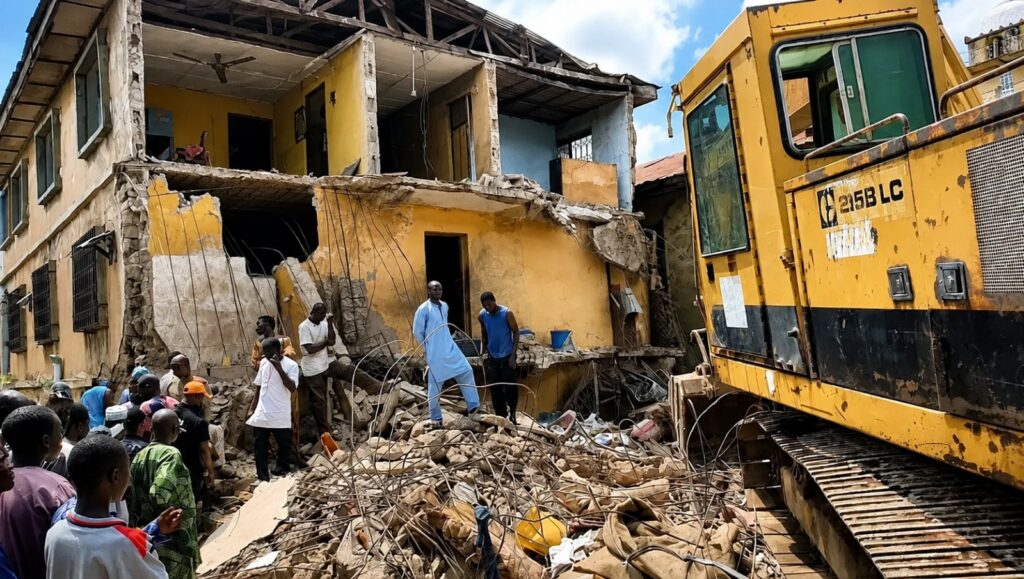
Kwara Building Collapse: Understanding Construction Risks The recent collapse of a two-story building in the Popo Giwa area of Ilorin, Kwara State, has once again highlighted the urgent need for safer construction practices in Nigeria. Reports published on September 1, 2026, stated that four people died after the building collapsed, while members of a family were trapped inside the structure. Authorities also referenced reported leakages around the toilet area, although a full technical investigation is required before the definitive cause can be established. TheCable +1 Every building collapse is more than a construction failure. It is a human tragedy, a financial loss and a painful reminder that shortcuts taken during design or construction can have devastating consequences. At Petik, we believe that a building should be more than beautiful. It should be properly planned, structurally sound, and built to serve its purpose safely for years to come. 1. Poor Structural Design Every building must be designed for its purpose, size, location, soil conditions, and expected load. Collapse may occur when: Structural calculations are incomplete. Building plans are changed without professional review. Extra floors are added without approval. The foundation is unsuitable for the soil. Architectural and structural drawings do not match. A strong building begins with a carefully prepared design. 2. Substandard Building Materials The quality of construction materials directly affects a building’s strength and durability. Common problems include: Weak concrete blocks. Poor-quality cement. Undersized reinforcement bars. Poorly graded sand and aggregates. Incorrect concrete mixtures. Substandard roofing or steel materials. Choosing cheap materials may reduce initial costs, but it can result in expensive repairs, property loss, and serious safety risks. 3. Inadequate Foundation and Soil Investigation The foundation supports the entire building. If it is poorly designed or built, the structure may crack, settle, or become unstable. Before construction begins, professionals should assess soil type, the water table, drainage conditions, building weight, and erosion risk. A foundation suitable for one location may not suit another. 4. Poor Workmanship A good design can still fail when construction work is poorly executed. Examples include: Incorrect placement of reinforcement. Weak concrete mixing. Poor block laying. Inadequate concrete curing. Weak connections between beams, columns and slabs. Improper roofing or drainage installation. Skilled workers should always handle construction under proper professional supervision. 5. Lack of Professional Supervision Qualified professionals help ensure that construction follows approved drawings and specifications. They inspect materials, monitor critical construction stages, and identify defects early. Architects, structural engineers, builders, quantity surveyors, and other specialists must work together to deliver a safe, durable building. 6. Unapproved Alterations Adding another floor, removing load-bearing walls, extending balconies or changing a building’s use without professional approval can weaken the structure. The appropriate professionals should review and approve all major changes before construction begins. 7. Poor Drainage and Water Damage Water can weaken the soil, damage foundations and cause reinforcement bars to rust. Proper plumbing, waterproofing, gutters and drainage systems are essential. Never ignore persistent leaks, exposed foundations, or waterlogged areas around a building. 8. Pressure to Cut Costs Cost management is important, but safety should not be sacrificed. Poorly managed cost-cutting may lead to unqualified contractors, reduced reinforcement, skipped testing and inadequate supervision. The best approach is to control costs while maintaining approved construction standards. How Petik Helps Build Safer Properties Petik promotes safer construction through proper planning, professional coordination, quality control and accountability. Proper Planning Every project should begin with a clear understanding of the client’s needs, site conditions, budget, building design and construction schedule. Proper planning helps reduce errors, delays and unnecessary costs. Qualified Professionals Petik works with the relevant professionals required for each project, including architects, structural engineers, builders, quantity surveyors, surveyors and other technical specialists. Quality Materials Materials should come from reliable suppliers and be checked to ensure they meet the project specifications. This includes cement, blocks, reinforcement bars, aggregates, roofing materials and other essential components. Construction Monitoring Important stages such as foundation work, reinforcement placement, concrete pouring, waterproofing and drainage installation require careful inspection before they are covered or completed. Accountability and Documentation Clear contracts, approved drawings, site reports, documented changes and quality-control records help ensure transparency throughout the project. Long-Term Building Maintenance Building safety doesn’t end when construction is complete. Regular inspections of roofs, plumbing, drainage systems, walls, foundations and other structural elements are essential. Warning Signs Property Owners Should Not Ignore Seek professional advice when you notice: Large or widening cracks. Cracks in beams, columns or slabs. Uneven floors. Sticking doors and windows. Persistent water leakage. Rust stains on concrete. Sagging ceilings or roofs. Exposed foundations. Significant settlement or tilting. Not every crack indicates an imminent collapse, but every unusual structural change deserves professional assessment. Safer Construction Is a Shared Responsibility Preventing building collapse requires cooperation between property owners, developers, contractors, professionals and regulators. At Petik, the goal is not just to complete a building, but to create a property that is properly planned, carefully constructed and built to inspire confidence. Build with Confidence. Build with Petik. Every foundation, reinforcement bar, concrete mix, and inspection matters. With proper planning, quality materials and professional supervision, safer buildings are possible. Choose Petik for construction built on quality, accountability and trust. Most Recent Posts All Posts African Culture Architectural Design Best Builders building with purpose Client Stories Concrete works Nigeria Construction construction craftsmanship Construction Education construction Nigeria Eco-friendly construction Green building Nigeria Heritage Travel Hot House for Rent House for sale inclusive building design Insider Land For Sale Marketing Plan New Buildings News Petik Projects Project Management Property Property Investment quality construction company Nigeria Real Estate Real Estate Updates Structural Engineering Structural steel Nigeria Sustainable Building Sustainable building Nigeria Sustainable Growth & Shortlet ROI Test Category Trust & Transparency Trusted builders Nigeria Kwara Building Collapse: Understanding Construction Risks Osogbo Shortlets: A High-Yield Investment Opportunity 5 Warning Signs to Watch for Before Signing a Building Contract in Nigeria Categories Architectural Design (10) Best Builders (25) building with purpose (14) Client Stories (1) Concrete works Nigeria (13) Construction (22) construction craftsmanship (9) Construction Education (1) construction Nigeria (9) Eco-friendly construction (2) Green building

Kwara Building Collapse: Understanding Construction Risks Read More »

Osogbo Shortlets: A High-Yield Investment Opportunity

Osogbo Shortlets: A High-Yield Investment Opportunity While major cities such as Lagos and Abuja have traditionally dominated Nigeria’s real estate investment market, emerging urban centers like Osogbo are attracting increasing attention from property investors. Osogbo, the capital of Osun State, combines a growing population, business activity, tourism, cultural events, and demand from visitors and diaspora families. These factors are creating opportunities for well-positioned shortlet apartments that offer guests more privacy, convenience, and flexibility than conventional accommodation. For investors, the appeal goes beyond simply owning property. A professionally managed shortlet can create multiple income opportunities while allowing the underlying property to retain long-term asset value. The Osogbo Shortlet Opportunity Three factors are making Osogbo increasingly attractive to shortlet investors: Lower Entry BarrierProperty acquisition and development costs can be more accessible than in established markets such as Lagos and Abuja. Growing Visitor DemandBusiness travelers, tourists, event attendees, returning diaspora families, and other visitors create recurring demand for quality short-term accommodation. Potential for Stronger Cash FlowWhen professionally managed and consistently occupied, shortlet properties can generate stronger recurring cash flow than conventional long-term rental arrangements. Important: Actual shortlet returns depend on factors such as purchase cost, location, occupancy, nightly rates, operating expenses, management fees, and seasonality. Why Osogbo’s Shortlet Market Is Growing 1. Growing Demand for Quality Hospitality Today’s travelers increasingly look beyond traditional hotel rooms. Many guests want private apartments that provide the comfort and flexibility of a home while maintaining the convenience of professional hospitality. Features such as: Fully furnished interiors Functional kitchens Reliable internet Consistent power supply Security Comfortable living spaces Professional cleaning and maintenance can make a significant difference to the guest experience. As accommodation expectations continue to rise, professionally developed and managed shortlets can stand out in the market. 2. A More Accessible Investment Market Compared with established real estate markets in major Nigerian cities, Osogbo offers investors a more accessible entry point into property ownership. This creates opportunities for investors who want to develop or acquire income-generating residential properties without the higher capital requirements often associated with premium locations. However, affordability alone does not guarantee profitability. Investors should consider location, property quality, management, accessibility, and demand before investing. 3. Potential for Higher Rental Income Traditional residential rentals typically generate income through annual or periodic leases. Shortlet properties operate differently, generating revenue from individual stays. When occupancy is strong and operating costs are well controlled, cumulative income from short-term stays can exceed equivalent long-term rental income. The key is effective management. Pricing, guest communication, cleaning, maintenance, marketing, security, and availability all affect a shortlet property’s performance. The Blueprint: Amarisa Court Amarisa Court, part of Petik Limited’s property portfolio, shows how thoughtful property development can support the shortlet model. The concept combines quality construction and comfortable accommodation with essential services designed around modern guests’ needs. Key features include: Quality construction finishes 24/7 power availability Security Professional facility management Comfortable shortlet accommodation Reliable property maintenance Rather than treating the property simply as a building, the model considers the complete guest experience. This combination of property quality, hospitality, and professional management can help transform a residential development into a more competitive income-generating asset. What Investors Should Consider Before Buying a Shortlet Shortlet investment can be attractive, but investors should look beyond projected rental income. Before committing capital, consider: Location Is the property close to business districts, attractions, event venues, educational institutions, transportation routes, or other demand generators? Property Quality Does the building provide the comfort and convenience shortlet guests expect? Operating Costs Power, cleaning, maintenance, security, internet, management, marketing, and other recurring expenses can significantly affect net returns. Occupancy High nightly rates mean little if the property remains vacant for extended periods. Sustainable occupancy is essential. Professional Management Professional management can improve guest experiences and reduce operational challenges for investors not involved in day-to-day management. Turning Property Into a Performing Asset A shortlet investment’s success isn’t determined by the building alone. It depends on how effectively the property is positioned, operated, maintained, and marketed. For investors considering emerging markets such as Osogbo, the opportunity lies in identifying properties that combine strategic location, quality construction, strong guest demand, and disciplined management. Conclusion Osogbo’s growing economic and social activity is creating new opportunities within Nigeria’s shortlet market. For investors looking beyond traditional property markets, professionally developed shortlet apartments can offer an alternative route to generating recurring property income while retaining ownership of a long-term asset. Amarisa Court demonstrates Petik Limited’s approach to this opportunity—combining quality property development with reliable services and professional facility management to create spaces designed for both comfort and performance. If you’re exploring shortlet property opportunities in Osogbo, the right investment starts with understanding the location, the numbers, the property, and the management model behind it. Most Recent Posts All Posts African Culture Architectural Design Best Builders building with purpose Client Stories Concrete works Nigeria Construction construction craftsmanship Construction Education construction Nigeria Eco-friendly construction Green building Nigeria Heritage Travel Hot House for Rent House for sale inclusive building design Insider Land For Sale Marketing Plan New Buildings News Petik Projects Project Management Property Property Investment quality construction company Nigeria Real Estate Real Estate Updates Structural Engineering Structural steel Nigeria Sustainable Building Sustainable building Nigeria Sustainable Growth & Shortlet ROI Test Category Trust & Transparency Trusted builders Nigeria Osogbo Shortlets: A High-Yield Investment Opportunity 5 Warning Signs to Watch for Before Signing a Building Contract in Nigeria What ₦15 Million Actually Buys You in Nigerian Construction Today: A Full Cost Breakdown Categories African Culture (1) Architectural Design (9) Best Builders (24) building with purpose (13) Client Stories (1) Concrete works Nigeria (12) Construction (21) construction craftsmanship (9) Construction Education (1) construction Nigeria (9) Eco-friendly construction (2) Green building Nigeria (1) Heritage Travel (1) Hot (4) House for Rent (1) inclusive building design (1) Land For Sale (4) New Buildings (4) News (1) Petik Projects (16) Project Management (1) Property (2) Property Investment (2) quality construction company Nigeria (2) Real Estate (7) Real Estate Updates (7) Structural Engineering (1) Structural steel Nigeria (3) Sustainable Building (1) Sustainable building Nigeria (1) Sustainable Growth & Shortlet ROI (1) Trust & Transparency (1) Trusted builders Nigeria (3) Tags 30-day build A House? Acquisition African Festivals Age Friendly Design

Osogbo Shortlets: A High-Yield Investment Opportunity Read More »

Construction Process in Nigeria: Step-by-Step Guide from Foundation to Finish

Construction Process in Nigeria: Step-by-Step Guide from Foundation to Finish Understanding the construction process in Nigeria is essential for anyone planning to build a home or commercial property. Without proper knowledge, it is remarkably easy to make costly mistakes, experience project delays, or fall victim to substandard work. This comprehensive guide clearly breaks down each stage of the building journey, helping you navigate the process with confidence and keep your investment secure. The 5 Essential Stages of Construction [ Site Prep & Foundation ] ➔ [ Structural Work ] ➔ [ Roofing Stage ] │ [ Finishing Stage ] ◄──────── [ First Fix ] ◄──────────────┘ 1. Site Preparation and Foundation Every successful, long-lasting project starts with proper groundwork. A building is only as strong as the earth beneath it and the foundation holding it up. Land Clearing and Leveling: Removing debris, vegetation, and topsoil to create a clean, workable canvas. Soil Testing: Analyzing the soil type (especially crucial in coastal regions like Lagos) to determine the appropriate foundation type (e.g., strip, raft, or piling). Excavation and Foundation Casting: Digging trenches and pouring concrete reinforced with steel to establish a solid structural base. 2. Structural Work (The Carcass Stage) Once the foundation has fully cured, the building’s skeletal structure begins to take shape. This is where structural integrity is solidified. Block Laying: Setting the walls using quality sandcrete blocks. Reinforced Columns and Beams: Casting concrete pillars and beams to distribute load-bearing weight safely. Lintel Construction: Creating reinforced concrete supports over doors and windows to prevent structural sagging. Pro-Tip: Precision and alignment during this stage are non-negotiable. Even a minor structural defect here can lead to dangerous wall cracks later. 3. Roofing Stage With the carcass complete, the roofing stage seals the building envelope, protecting your structure and future interior installations from the harsh Nigerian elements. Roofing Carpentry: Building a sturdy wooden or steel truss framework. Material Selection: Choosing high-quality, durable sheets (such as aluminum, stone-coated tiles, or step-tiles) that can withstand heavy tropical downpours and intense UV rays. Effective Drainage Systems: Installing proper gutters and downspouts to redirect rainwater away from the foundation. 4. First Fix Installations Before any plastering or cosmetic work can hide what is inside the walls, the building’s critical internal organs must be laid out. Electrical Conduit Piping & Wiring: Laying the conduits and pulling wires through walls and ceilings. Plumbing Systems: Installing waste and supply pipe networks for kitchens, bathrooms, and drainage. Mechanical Fittings: Preparing routes for air conditioning units and ventilation systems. 5. The Finishing Stage This is the transformative phase where raw concrete and blockwork become a beautiful, livable space. Quality finishing directly impacts both the aesthetic appeal and the market value of the property. Plastering and Screeding: Applying cement plaster to internal and external walls, followed by screeding to achieve perfectly smooth surfaces. Tiling and Flooring: Installing ceramic, vitrified, or marble tiles across rooms and walkways. Painting and Fixtures: Applying premium weather-resistant paints and installing internal doors, wardrobes, sanitary wares, and light fittings. Common Mistakes to Avoid To ensure your building project survives the test of time and stays within budget, protect yourself from these frequent pitfalls: Poor Site Supervision: Leaving the site entirely in workers’ hands without qualified, independent supervision leads to corner-cutting. Substandard Materials: Opting for cheap, low-grade cement, thin steel rods, or poorly cured blocks will compromise your home’s structural safety. Hiring Inexperienced Contractors: Relying on uncertified “quacks” to save money upfront almost always results in spending twice as much to fix their errors later. Work only with registered engineers and builders. Most Recent Posts All Posts African Culture Architectural Design Best Builders building with purpose Concrete works Nigeria Construction construction craftsmanship Construction Education construction Nigeria Eco-friendly construction Green building Nigeria Heritage Travel Hot House for Rent House for sale inclusive building design Insider Land For Sale Marketing Plan New Buildings News Petik Projects Project Management Property Property Investment quality construction company Nigeria Real Estate Real Estate Updates Structural Engineering Structural steel Nigeria Sustainable Building Sustainable building Nigeria Test Category Trusted builders Nigeria Construction Process in Nigeria: Step-by-Step Guide from Foundation to Finish Osun-Osogbo Festival 2026: A Complete Guide to Nigeria’s Living UNESCO Heritage Reliable Construction Company in Nigeria: What Showing Up Really Means Categories African Culture (1) Architectural Design (4) Best Builders (18) building with purpose (9) Concrete works Nigeria (10) Construction (17) construction craftsmanship (9) Construction Education (1) construction Nigeria (9) Eco-friendly construction (2) Green building Nigeria (1) Heritage Travel (1) Hot (4) inclusive building design (1) Land For Sale (4) New Buildings (4) News (1) Petik Projects (14) Project Management (1) Property (1) Property Investment (2) quality construction company Nigeria (2) Real Estate (7) Real Estate Updates (7) Structural Engineering (1) Structural steel Nigeria (3) Sustainable Building (1) Sustainable building Nigeria (1) Trusted builders Nigeria (3) Tags A House? Acquisition African Festivals Age Friendly Design Arugba Procession building contractor Building Failures Nigeria building stages buy Buy A House? Buy House? Buyers Civil Works construction company construction Nigeria construction process Damp Proofing Diaspora Real Estate Drainage Systems foundation casting Foundation First Green Construction Home home developments in Nigeria. Home Inspection house building guide Inclusive Building Investing Investing In A Real Estate Property Investment Property Lagos Multi Unit Development Nigeria Nigeria Construction Nigerian Real Estate Investment Osun State Tourism Osun-Osogbo 2026 Petik Petik Builds Petik Limited Planning Project Management Quality Control Real Estate real estate development Nigeria Real Estate Investing Real Estate Investment Real Estate Nigeria Real Estate Property Reinforced Concrete reliable builders Rent Should Should I Rent Should I Rent Or Buy A House? Site Mobilization Spiritual Tourism Structural Engineering Structural Integrity Susanne Wenger Sustainable Architecture Tips Top Real Estate Companies in Lekki Tourism in Nigeria UNESCO World Heritage Universal Design Waterproofing Wealth Building Yoruba Culture

Construction Process in Nigeria: Step-by-Step Guide from Foundation to Finish Read More »

Scroll to Top