Building Responsibly in Nigeria: The Importance of Compliance

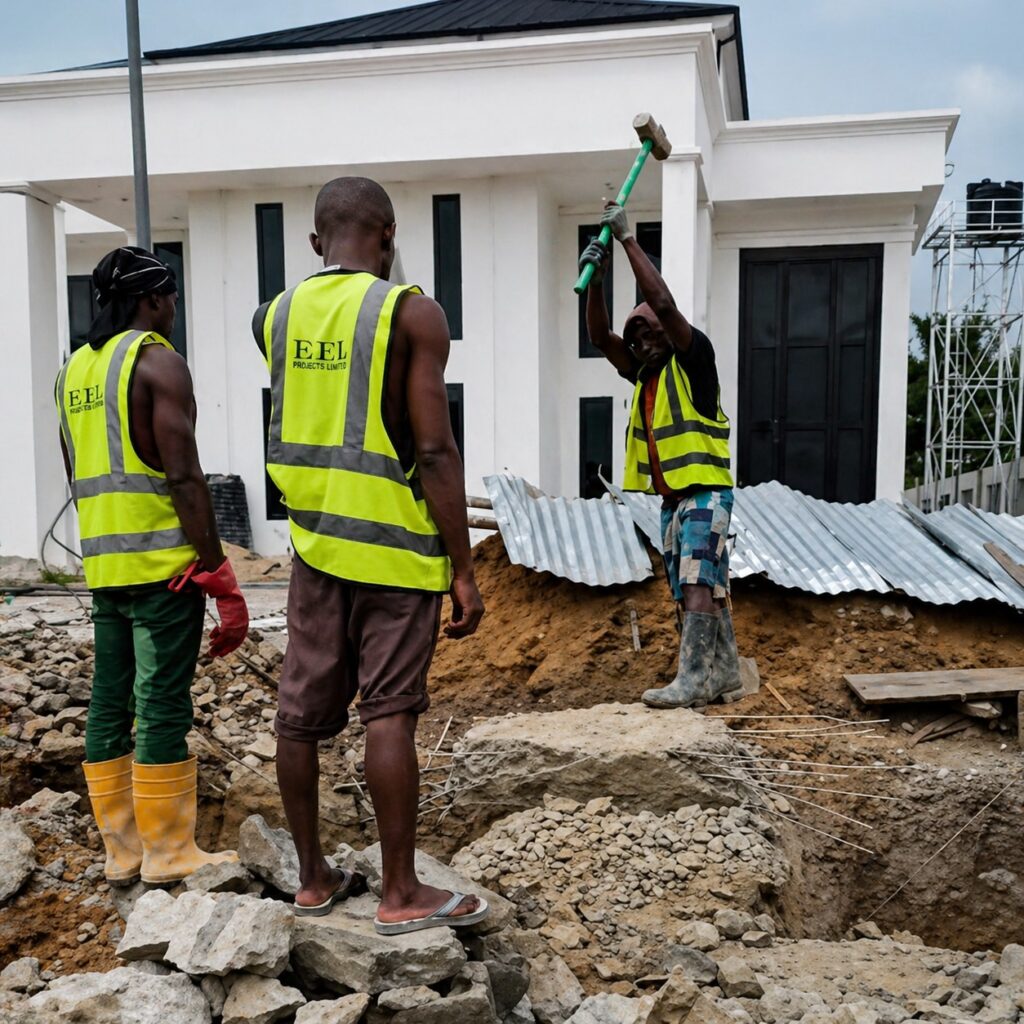
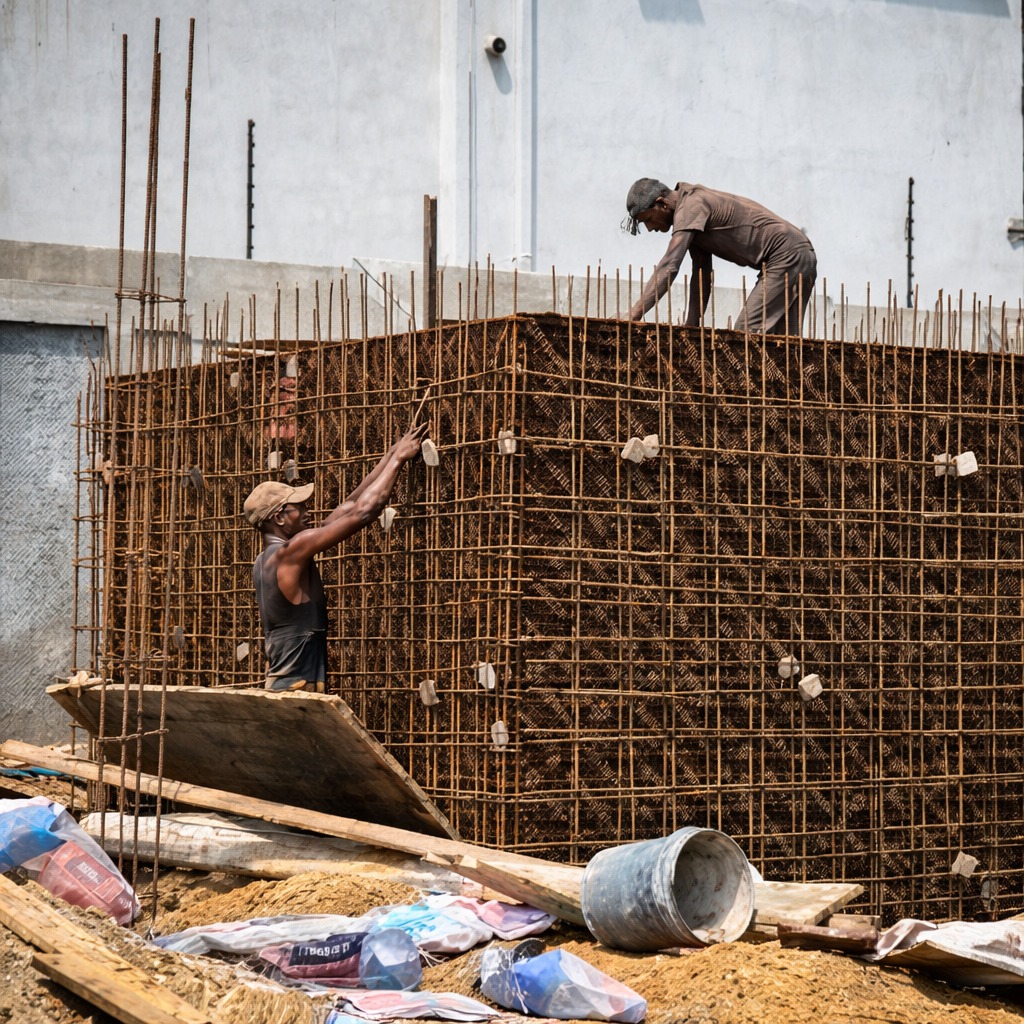
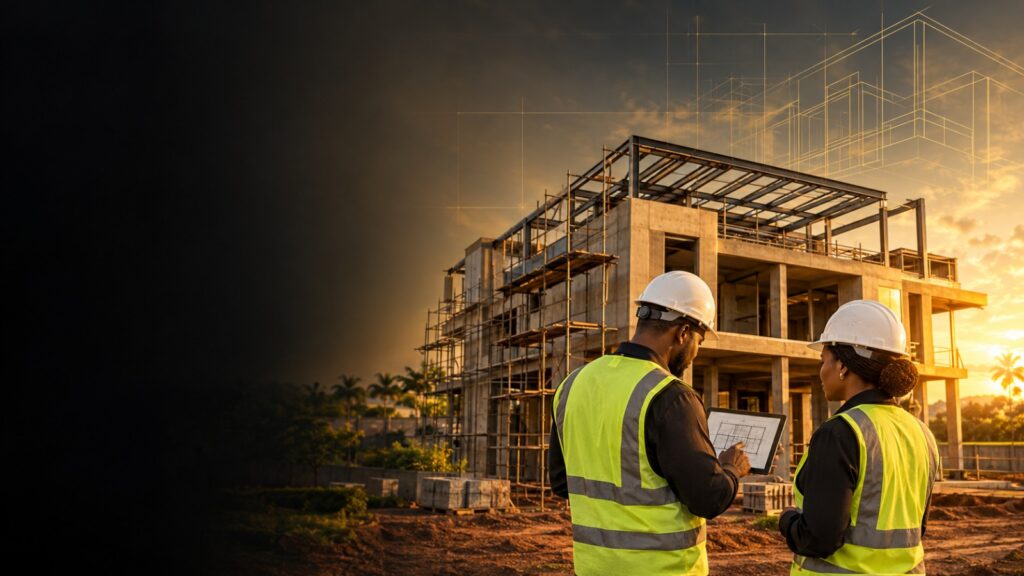
Building Responsibly in Nigeria: The Importance of Compliance Building construction is about more than putting up walls, installing a roof, or finishing a project on budget. Every building must be designed, constructed and maintained with safety, quality and long-term performance in mind. Recent building collapses in Lagos, followed by orders to demolish distressed buildings, have renewed attention on the importance of responsible construction practices. At the same time, the Council of Registered Builders of Nigeria (CORBON) inducted 436 builders while reaffirming its zero-tolerance position on unethical construction practices. These developments highlight an important message for property owners, developers, contractors and investors: building responsibly is not optional. It is fundamental to protecting lives, property and public confidence. 1. Building Safety Must Come First A building may look attractive on the outside, but its appearance does not necessarily reflect its structural condition. A building’s safety depends on several factors, including proper design, suitable materials, competent workmanship, appropriate supervision, and compliance with applicable building requirements. When these elements are neglected, the consequences can extend beyond financial losses. Building failures can cause injuries, fatalities, displacement and damage to surrounding properties. For developers and property owners, safety must therefore remain a priority from the earliest planning stages through construction and final handover. 2. Quality Construction Begins Before Work Starts Responsible construction begins before the first block is laid. It begins with proper planning and professional preparation. Before construction starts, developers should ensure that the project has appropriate designs, realistic budgets, suitable specifications and a clear construction plan. Important considerations include: Professional design: Engage appropriately qualified professionals to prepare and review the relevant building designs. Site assessment: Understand the ground conditions, drainage requirements and other site-specific considerations. Material selection: Use materials that meet the project specifications and applicable quality standards. Construction planning: Establish a realistic programme for labour, materials, inspections and quality checks. Technical coordination: Ensure that the relevant professionals work together to address design and construction requirements. Taking these steps early can help reduce avoidable errors, costly rework and risks that may compromise the finished building. 3. Why Registered Builders Matter Construction projects require technical knowledge, practical experience and a clear understanding of professional responsibilities. Registered builders have an important role in coordinating construction activities, managing workmanship, monitoring quality and ensuring that work follows approved plans and specifications. Working with appropriately registered and qualified professionals can help property owners make more informed decisions about who delivers their projects. Before appointing a builder, clients should verify the person’s relevant registration, qualifications and experience. They should also establish clear responsibilities, contractual terms, reporting arrangements and quality-control procedures. CORBON’s induction of 436 builders reinforces the importance of professional recognition and accountability within Nigeria’s building industry. Its stated zero-tolerance position on unethical construction also highlights the need for integrity in professional practice. Registration alone, however, should not replace project-specific supervision, regulatory approvals or independent verification where required. 4. Compliance Is Part of Responsible Development Building regulations and approval processes exist to support safe and orderly development. Treating compliance as an inconvenience can expose developers and property owners to serious risks. Depending on the project and location, responsible development may require planning approval, appropriate building permits, professionally prepared designs, inspections and compliance with applicable building codes and standards. Developers should confirm the specific requirements with the relevant authorities before commencing work. They should also ensure that construction follows the approved designs and that significant changes are reviewed and authorized through the appropriate process. Compliance is not simply about obtaining documents. It is about ensuring that the building is developed according to the requirements intended to protect occupants, neighbours and the wider community. 5. Material Quality and Workmanship Cannot Be Compromised A construction budget should account for quality rather than encourage shortcuts that undermine safety. Using unsuitable materials, ignoring technical specifications or allowing poorly executed work to continue can create defects that become expensive to correct later. Responsible builders should implement quality-control procedures throughout the construction process. These may include checking delivered materials, monitoring concrete works, inspecting reinforcement before concrete placement and carrying out appropriate tests when specified. Workmanship should also be inspected at key stages, rather than leaving every quality check until the project is nearly complete. For developers, the objective should be to deliver buildings that meet the required standards, not simply structures that appear finished. 6. Construction Speed Must Never Replace Construction Quality Fast project delivery can be valuable. It can reduce delays, improve planning and help owners put completed properties to use sooner. However, speed should come from efficient coordination, timely procurement, skilled labour and disciplined project management—not from skipping essential procedures. Concrete curing requirements, structural inspections, material testing and other technical processes must be observed according to the relevant specifications and professional guidance. A realistic construction schedule should allow the necessary work to be completed properly. The goal is not merely to finish quickly. It is to deliver a safe, durable building within an achievable timeframe. 7. Developers and Property Owners Share Responsibility Although builders and other construction professionals have defined responsibilities, property owners and developers also influence the quality of a project through their decisions. Choosing contractors solely because they offer the lowest price, demanding unrealistic deadlines or approving undocumented changes can create pressure that undermines proper construction practices. Property owners can support better outcomes by: Appointing qualified professionals with relevant experience. Confirming that required approvals are in place. Agreeing on clear specifications and contractual responsibilities. Allowing adequate time for construction and inspections. Requesting progress reports and quality-control records. Addressing defects and safety concerns promptly. Keeping project documents and approvals properly organized. Responsible development is a collaborative effort that requires accountability from everyone involved. 8. How Petik Limited Approaches Responsible Construction At Petik Limited, construction should be viewed as a commitment to quality, coordination and long-term value. A well-managed project requires attention to planning, material procurement, workmanship, supervision and the requirements that apply to the development. These elements help create a more reliable construction process and support better outcomes for property owners and investors.

Building Responsibly in Nigeria: The Importance of Compliance Read More »
Enugu Building Collapse 2026: A Call for Stronger Regulations

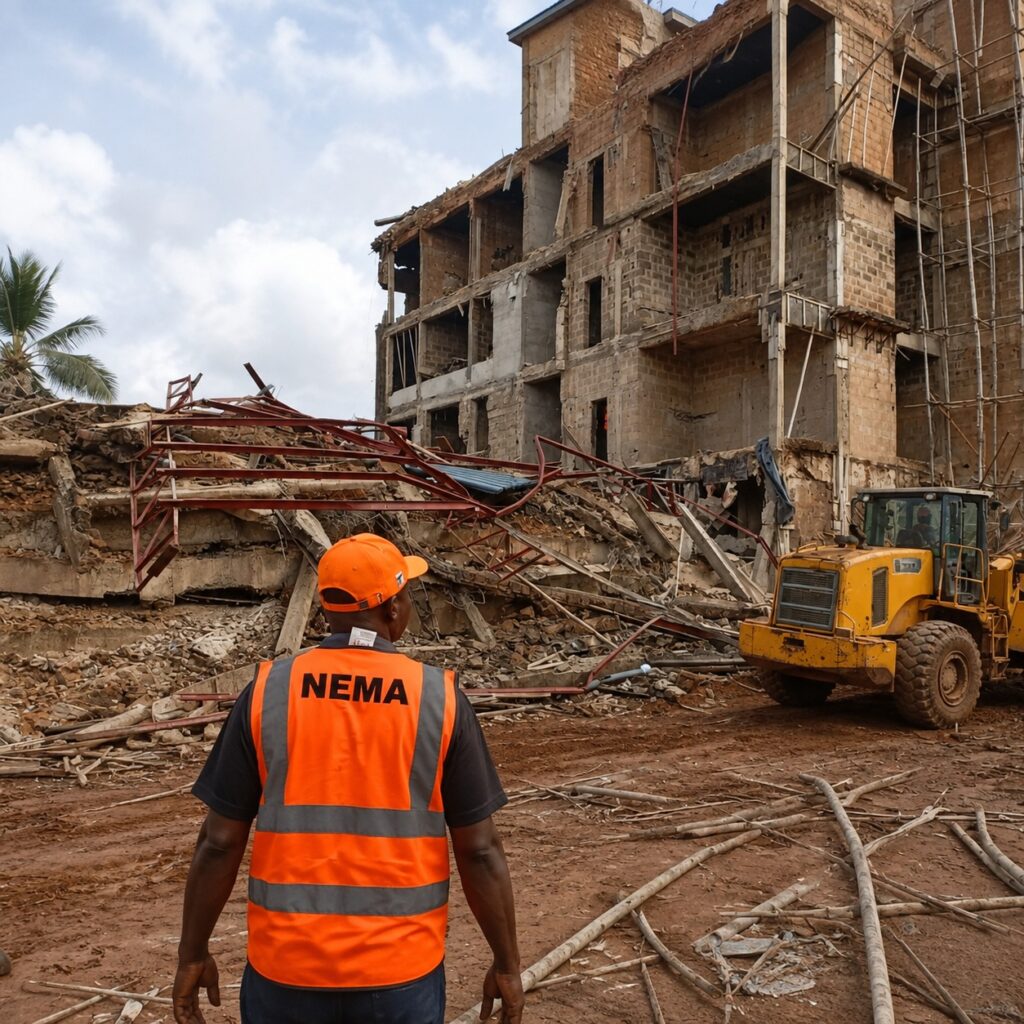
Enugu Building Collapse 2026: A Call for Stronger Regulations Another building collapse in Nigeria has brought the country’s construction safety standards back into the spotlight. On 13 September 2026, a four-storey building under construction in Independence Layout, Enugu, collapsed. Reports indicate workers were on site when the structure collapsed in the morning. Four people were rescued, while one body was recovered, according to Channels Television. Rescue and emergency agencies, including NEMA, the Red Cross, SEMA, the Enugu State Capital Territory Development Authority and the police, were involved in the response. The precise cause of the collapse has not yet been established publicly, and investigations are underway. But the incident raises a much bigger question: Why do building failures continue to occur when Nigeria already has building standards, professional requirements and regulatory approval processes? The Real Problem Is Bigger Than One Collapsed Building It would be premature to assign responsibility for the Enugu collapse before the investigation is completed. However, the incident comes against a broader background of concerns about construction practices in Nigeria. Earlier in March 2026, the Nigerian Institute of Building (NIOB) warned about the increasing number of building collapses and linked many investigated cases to factors including poor construction management, substandard materials, inadequate professional supervision and the involvement of unqualified personnel. This means the conversation should not end when the rubble is cleared. The industry needs to examine how buildings are designed, approved, constructed, supervised and inspected. Four Areas That Demand Greater Attention 1. Building Approval Must Mean More Than Paperwork Obtaining approval for a building plan is an important part of construction, but approval should not be treated as the end of regulatory responsibility. A building needs to remain compliant throughout construction. Research examining building regulation in Enugu found weaknesses in local planning authorities’ ability to properly scrutinize drawings and monitor compliance during construction. The study identified inadequate staffing, insufficient professional involvement and weak enforcement as important issues. The lesson is straightforward: Approval alone is not enough. 2. Professional Supervision Cannot Be Optional Construction is a coordinated technical process. Architects, structural engineers, builders, quantity surveyors, geotechnical professionals and other relevant specialists each have important roles to play. The involvement of qualified professionals helps ensure that: Structural designs are properly developed. Materials meet specified standards. Construction follows approved drawings. Foundation decisions reflect site conditions. Structural elements are properly executed. Problems are identified before they become failures. Cutting professional supervision may reduce costs in the short term, but getting construction wrong can have catastrophic consequences. 3. Material Quality Matters A building is only as reliable as the materials and workmanship used to construct it. Cement, reinforcement steel, concrete aggregates, blocks and other materials must meet appropriate specifications and be used correctly. A 2026 study examining building collapse cases in Nigeria identified substandard construction materials as the largest reported category among the causes examined, followed by failures in geotechnical investigation and poor or non-professional design. The study also identified inadequate supervision, poor workmanship and non-compliance with building regulations among contributing factors. This reinforces an important principle: Construction quality should never be sacrificed for short-term savings. 4. Enforcement Must Happen Before Disaster Perhaps the most important question is not simply: “Who is responsible after a building collapses?” It should be: “What could have been detected before the collapse?” Effective enforcement should identify unsafe construction while a project is still in progress. That means regulatory authorities need adequate technical personnel, effective inspection systems and the willingness to stop work where serious violations are discovered. Research on Enugu’s planning authorities has previously found gaps in site monitoring and enforcement of building regulations. Building Safety Starts Before the Foundation Preventing building collapse requires a process that begins long before pouring concrete. Before Construction A responsible project should involve: Proper architectural and structural design Appropriate soil/geotechnical investigation Relevant statutory approvals Qualified professionals Proper construction specifications Realistic project planning During Construction There should be: Professional supervision Quality material control Compliance with approved drawings Proper reinforcement detailing Correct concrete practices Regular inspections Proper documentation of construction activities Before Occupancy The completed structure should undergo the necessary inspections, tests and certifications required by the relevant authorities and professionals. The Cost of Cutting Corners Construction shortcuts can appear financially attractive. Using cheaper materials, reducing professional supervision, or ignoring required procedures may initially reduce project expenditure. But the cost of failure can be enormous. A building collapse can result in: Loss of life → Property destruction → Financial loss → Legal consequences → Displacement → Loss of public confidence No construction saving is worth that price. What the Enugu Collapse Should Teach Us The 2026 Enugu incident should not become another headline that disappears after the rescue operation ends. It should become an opportunity to ask difficult but necessary questions about Nigeria’s construction industry. Are approved building plans being followed? Are qualified professionals genuinely supervising construction? Are materials being tested and properly specified? Are site inspections frequent and effective? Are unsafe projects being stopped before they become disasters? And when violations occur, are sanctions strong enough to discourage repetition? These questions require answers from developers, contractors, professionals, and regulatory authorities alike. A Safer Construction Industry Requires Shared Responsibility Government agencies must enforce regulations. Professionals must uphold technical standards. Developers must fund projects properly and engage qualified experts. Contractors must execute work according to approved specifications. Property owners have a responsibility to avoid compromising safety to save money. Building safety is therefore not the responsibility of one person or institution. It is a shared responsibility. Conclusion The Enugu building collapse of September 2026 is a painful reminder that construction safety cannot be treated casually. While investigations will determine the specific circumstances of this collapse, the broader industry must keep addressing the issues repeatedly linked to building failures in Nigeria: poor materials, inadequate supervision, weak compliance, poor workmanship, and ineffective enforcement. Nigeria does not lack building regulations. The greater challenge is ensuring that those standards are consistently followed, monitored and enforced. Every building project represents more than concrete, steel and blocks. It represents people’s lives, investments and

Enugu Building Collapse 2026: A Call for Stronger Regulations Read More »

Sustainable Construction in Nigeria: Building for the Future

Sustainable Construction in Nigeria

Introduction Sustainability has become an essential part of modern construction, especially in Nigeria where rapid urban growth continues to increase the demand for durable, efficient, and environmentally responsible buildings. Sustainable construction focuses on creating structures that are strong, safe, cost-effective, and less harmful to the environment. Eco-Friendly Construction Practices Eco-friendly construction involves using materials and methods that reduce waste, conserve energy, and protect natural resources. This includes responsible sourcing of building materials, proper waste management, energy-efficient designs, and the use of durable materials that reduce the need for frequent repairs. Energy Efficiency in Buildings Energy efficiency is a major part of sustainable building in Nigeria. Good building orientation, natural lighting, proper ventilation, quality roofing, and energy-saving fittings can help reduce electricity consumption and improve comfort for occupants. Health and Safety Sustainable construction also supports healthier living and working spaces. Proper drainage helps prevent flooding and water damage, while good ventilation improves indoor air quality. Safe construction practices, strong structural planning, and quality installations also reduce risks during and after construction. Quality Control and Durability Strict inspection and quality control ensure that every stage of construction meets required standards. From foundation work to finishing, proper supervision helps prevent defects, improves durability, and protects the client’s investment. Conclusion Sustainable construction is not just about protecting the environment; it is about building smarter, safer, and stronger structures for the future. By combining eco-friendly construction practices, quality control, and efficient design, we can create buildings that serve people today while preserving resources for tomorrow.

Sustainable Construction in Nigeria Read More »

Construction as Art: Blending Design, Innovation, and Functionality

Introduction Construction is far more than assembling materials, it is a creative and technical process that merges engineering precision with artistic vision. In today’s rapidly evolving world, especially within the context of architectural design Nigeria, construction has become a powerful medium for expressing culture, innovation, and purpose. Every structure tells a story, combining aesthetics, durability, and functionality to meet both human and environmental needs. Architecture as Expression Architecture serves as a visual language that communicates identity, values, and creativity. Modern buildings in Nigeria increasingly reflect a blend of cultural heritage and contemporary trends, resulting in unique and inspiring designs. From sleek urban high-rises to thoughtfully designed residential homes, modern building design Nigeria emphasizes: Aesthetic appeal that enhances the surrounding environment Functional layouts that improve usability and comfort Sustainable materials that promote eco-friendly living These elements transform ordinary buildings into works of art that stand the test of time. The Role of Construction Innovation Innovation is at the heart of modern construction. With advancements in technology, materials, and building techniques, the industry continues to evolve, delivering smarter and more efficient solutions. Construction innovation in Nigeria now includes: Smart building systems for energy efficiency and automation Use of durable and sustainable materials Advanced construction methods that reduce time and cost Integration of green building practices These innovations not only improve the quality of structures but also ensure they meet global standards while adapting to local needs. Client-Centered Design At the core of every successful project is a deep understanding of the client’s vision. Client-centered design ensures that every building is tailored to specific preferences, lifestyle needs, and functional requirements. This approach involves: Active collaboration and communication with clients Custom design solutions that reflect individual tastes Flexibility to adapt designs during project development By prioritizing the client, construction becomes a personalized experience, resulting in spaces that are both meaningful and practical. From Concept to Reality The journey from idea to finished structure is a carefully coordinated process. Each stage plays a crucial role in ensuring quality and excellence: Planning: Understanding project goals, site conditions, and feasibility Design: Creating architectural drawings and 3D visualizations Execution: Bringing designs to life through skilled construction Finishing: Adding final touches that enhance aesthetics and usability This structured approach ensures that every project is delivered efficiently, meeting both design expectations and structural standards. Conclusion Construction is truly an art form, one that blends creativity, innovation, and technical expertise to shape the environments we live and work in. As architectural design in Nigeria continues to evolve, the fusion of modern techniques and artistic vision will drive the creation of more sustainable, functional, and visually striking buildings. Ultimately, great construction goes beyond structures, it turns ideas into lasting realities that inspire and endure.

Construction as Art: Blending Design, Innovation, and Functionality Read More »

Craftsmanship & Expertise in Construction: What Sets Quality Builders Apart

Craftsmanship & Expertise in Construction: What Sets Quality Builders Apart

Introduction Construction is a multifaceted industry that seamlessly combines engineering expertise with creative innovation, transforming concepts into durable, functional, and visually compelling structures that meet modern standards, enhance environments, and stand the test of time. Architecture as Expression Architecture goes beyond the act of building; it is a powerful form of expression where creativity meets purpose. Every structure tells a story through its design, blending aesthetics, functionality, and innovation to create spaces that inspire, serve communities, and elevate the quality of life. Client-Centered Design At the core of our approach is a deep commitment to our clients. We take the time to understand their needs, preferences, and long-term goals, ensuring that every detail is thoughtfully considered. By fostering collaboration and clear communication, we deliver tailored solutions that reflect each client’s unique vision while maintaining the highest standards of quality and efficiency. From Concept to Reality Our process is comprehensive and carefully structured to ensure excellence at every stage. From initial concept development and strategic planning to detailed architectural design, precise execution, and high-quality finishing, we manage each phase with professionalism, technical expertise, and a strong focus on delivering outstanding results within scope and timeline. Conclusion We are dedicated to transforming ideas into lasting realities by combining innovation, craftsmanship, and attention to detail. Our goal is to deliver structures that are not only strong and functional but also timeless, impactful, and aligned with our clients’ aspirations, leaving a lasting legacy for generations to come.

Craftsmanship & Expertise in Construction: What Sets Quality Builders Apart Read More »

Scroll to Top