Construction Process in Nigeria: Step-by-Step Guide from Foundation to Finish

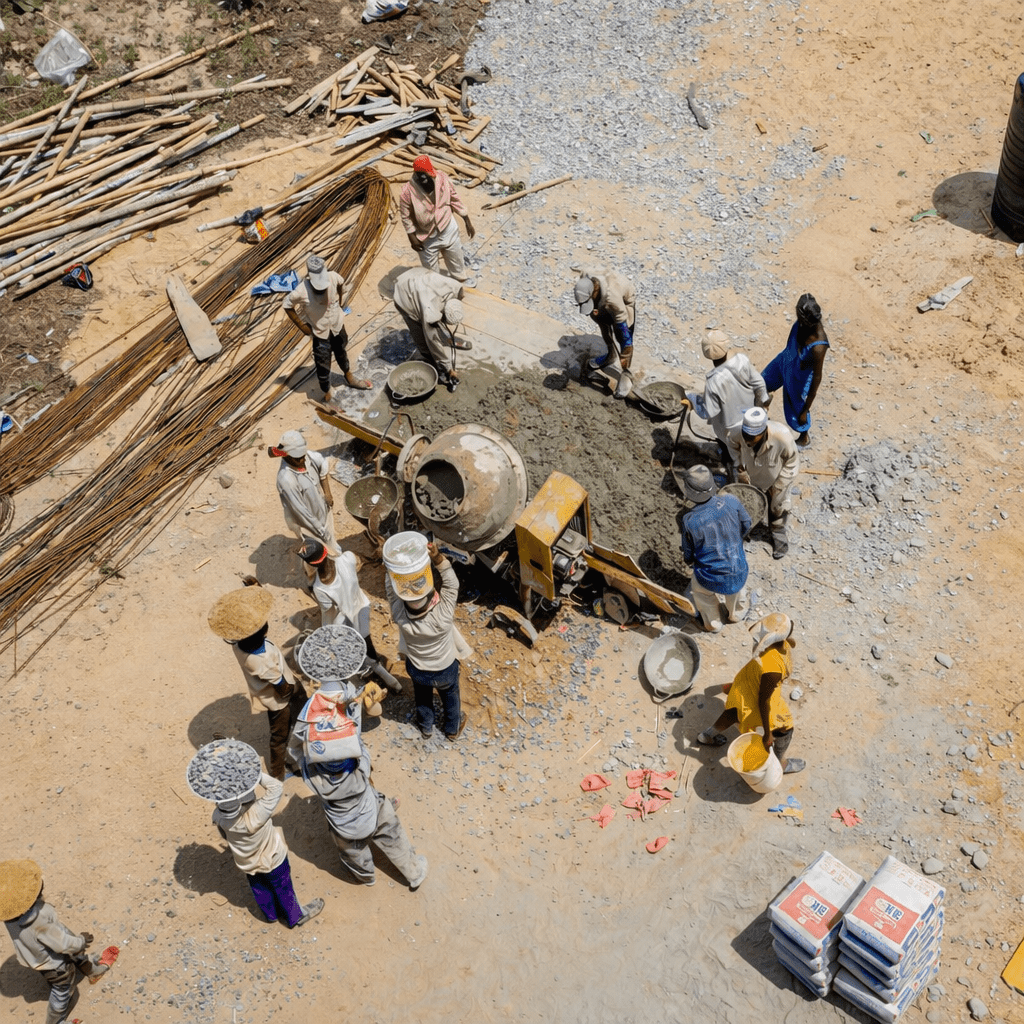
Construction Process in Nigeria: Step-by-Step Guide from Foundation to Finish Understanding the construction process in Nigeria is essential for anyone planning to build a home or commercial property. Without proper knowledge, it is remarkably easy to make costly mistakes, experience project delays, or fall victim to substandard work. This comprehensive guide clearly breaks down each stage of the building journey, helping you navigate the process with confidence and keep your investment secure. The 5 Essential Stages of Construction [ Site Prep & Foundation ] ➔ [ Structural Work ] ➔ [ Roofing Stage ] │ [ Finishing Stage ] ◄──────── [ First Fix ] ◄──────────────┘ 1. Site Preparation and Foundation Every successful, long-lasting project starts with proper groundwork. A building is only as strong as the earth beneath it and the foundation holding it up. Land Clearing and Leveling: Removing debris, vegetation, and topsoil to create a clean, workable canvas. Soil Testing: Analyzing the soil type (especially crucial in coastal regions like Lagos) to determine the appropriate foundation type (e.g., strip, raft, or piling). Excavation and Foundation Casting: Digging trenches and pouring concrete reinforced with steel to establish a solid structural base. 2. Structural Work (The Carcass Stage) Once the foundation has fully cured, the building’s skeletal structure begins to take shape. This is where structural integrity is solidified. Block Laying: Setting the walls using quality sandcrete blocks. Reinforced Columns and Beams: Casting concrete pillars and beams to distribute load-bearing weight safely. Lintel Construction: Creating reinforced concrete supports over doors and windows to prevent structural sagging. Pro-Tip: Precision and alignment during this stage are non-negotiable. Even a minor structural defect here can lead to dangerous wall cracks later. 3. Roofing Stage With the carcass complete, the roofing stage seals the building envelope, protecting your structure and future interior installations from the harsh Nigerian elements. Roofing Carpentry: Building a sturdy wooden or steel truss framework. Material Selection: Choosing high-quality, durable sheets (such as aluminum, stone-coated tiles, or step-tiles) that can withstand heavy tropical downpours and intense UV rays. Effective Drainage Systems: Installing proper gutters and downspouts to redirect rainwater away from the foundation. 4. First Fix Installations Before any plastering or cosmetic work can hide what is inside the walls, the building’s critical internal organs must be laid out. Electrical Conduit Piping & Wiring: Laying the conduits and pulling wires through walls and ceilings. Plumbing Systems: Installing waste and supply pipe networks for kitchens, bathrooms, and drainage. Mechanical Fittings: Preparing routes for air conditioning units and ventilation systems. 5. The Finishing Stage This is the transformative phase where raw concrete and blockwork become a beautiful, livable space. Quality finishing directly impacts both the aesthetic appeal and the market value of the property. Plastering and Screeding: Applying cement plaster to internal and external walls, followed by screeding to achieve perfectly smooth surfaces. Tiling and Flooring: Installing ceramic, vitrified, or marble tiles across rooms and walkways. Painting and Fixtures: Applying premium weather-resistant paints and installing internal doors, wardrobes, sanitary wares, and light fittings. Common Mistakes to Avoid To ensure your building project survives the test of time and stays within budget, protect yourself from these frequent pitfalls: Poor Site Supervision: Leaving the site entirely in workers’ hands without qualified, independent supervision leads to corner-cutting. Substandard Materials: Opting for cheap, low-grade cement, thin steel rods, or poorly cured blocks will compromise your home’s structural safety. Hiring Inexperienced Contractors: Relying on uncertified “quacks” to save money upfront almost always results in spending twice as much to fix their errors later. Work only with registered engineers and builders. Most Recent Posts All Posts African Culture Architectural Design Best Builders building with purpose Concrete works Nigeria Construction construction craftsmanship Construction Education construction Nigeria Eco-friendly construction Green building Nigeria Heritage Travel Hot House for Rent House for sale inclusive building design Insider Land For Sale Marketing Plan New Buildings News Petik Projects Project Management Property Property Investment quality construction company Nigeria Real Estate Real Estate Updates Structural Engineering Structural steel Nigeria Sustainable Building Sustainable building Nigeria Test Category Trusted builders Nigeria Construction Process in Nigeria: Step-by-Step Guide from Foundation to Finish Osun-Osogbo Festival 2026: A Complete Guide to Nigeria’s Living UNESCO Heritage Reliable Construction Company in Nigeria: What Showing Up Really Means Categories African Culture (1) Architectural Design (4) Best Builders (18) building with purpose (9) Concrete works Nigeria (10) Construction (17) construction craftsmanship (9) Construction Education (1) construction Nigeria (9) Eco-friendly construction (2) Green building Nigeria (1) Heritage Travel (1) Hot (4) inclusive building design (1) Land For Sale (4) New Buildings (4) News (1) Petik Projects (14) Project Management (1) Property (1) Property Investment (2) quality construction company Nigeria (2) Real Estate (7) Real Estate Updates (7) Structural Engineering (1) Structural steel Nigeria (3) Sustainable Building (1) Sustainable building Nigeria (1) Trusted builders Nigeria (3) Tags A House? Acquisition African Festivals Age Friendly Design Arugba Procession building contractor Building Failures Nigeria building stages buy Buy A House? Buy House? Buyers Civil Works construction company construction Nigeria construction process Damp Proofing Diaspora Real Estate Drainage Systems foundation casting Foundation First Green Construction Home home developments in Nigeria. Home Inspection house building guide Inclusive Building Investing Investing In A Real Estate Property Investment Property Lagos Multi Unit Development Nigeria Nigeria Construction Nigerian Real Estate Investment Osun State Tourism Osun-Osogbo 2026 Petik Petik Builds Petik Limited Planning Project Management Quality Control Real Estate real estate development Nigeria Real Estate Investing Real Estate Investment Real Estate Nigeria Real Estate Property Reinforced Concrete reliable builders Rent Should Should I Rent Should I Rent Or Buy A House? Site Mobilization Spiritual Tourism Structural Engineering Structural Integrity Susanne Wenger Sustainable Architecture Tips Top Real Estate Companies in Lekki Tourism in Nigeria UNESCO World Heritage Universal Design Waterproofing Wealth Building Yoruba Culture

Construction Process in Nigeria: Step-by-Step Guide from Foundation to Finish Read More »

Construction Quality Control Standards in Nigeria

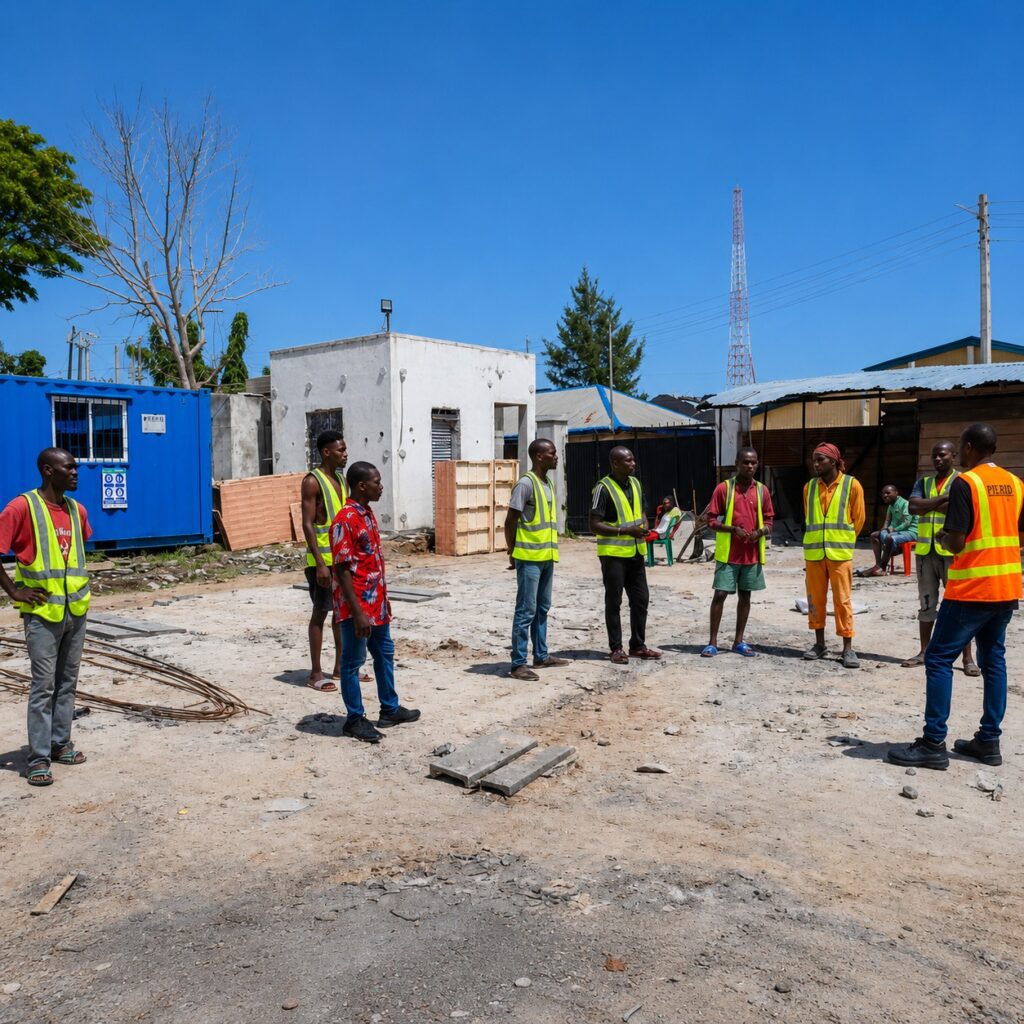
Introduction True construction excellence is measurable. Successful building projects depend on strong construction quality control standards that ensure durability, safety, and compliance with engineering specifications. At Petik Limited, our quality control framework focuses on consistent monitoring, proper material verification, and professional site supervision. These systems help ensure that every stage of construction meets approved standards. Quality Assurance Framework Our construction quality control process in Nigeria includes structured procedures designed to maintain accuracy and accountability throughout the project. Key elements of our quality assurance framework include: 1. Material Verification: All construction materials are carefully inspected before use to confirm that they meet required engineering standards. This includes verifying cement quality, reinforcement materials, aggregates, and other structural components. 2. Site Supervision: Professional site supervision in Nigeria ensures that construction activities follow approved architectural and engineering drawings. Supervisors monitor daily site activities and ensure that workers follow proper building procedures. 3. Stage-by-Stage Inspections: Regular inspections are conducted at critical stages of the construction process, including foundation work, structural framing, and finishing phases. This step-by-step inspection approach helps identify issues early and maintain high construction standards. Why Construction Standards Matter Without structured monitoring and inspections, construction projects can develop hidden defects that may lead to long-term structural problems. Strong construction standards in Nigeria help to: Improve building safety Reduce construction errors Prevent structural defects Lower long-term maintenance costs Ensure compliance with engineering regulations Quality control ensures that buildings remain safe, durable, and structurally reliable. Conclusion In professional construction, quality cannot be left to chance. It must be monitored, tested, and verified throughout the entire building process. Through strict construction quality control systems, structured inspections, and professional site supervision, Petik Limited delivers construction projects that meet high engineering standards. Quality is not assumed, it is verified.     

Construction Quality Control Standards in Nigeria Read More »

From Blueprint to Reality: Engineering Excellence in Nigerian Construction

Introduction Behind every completed building is a structured engineering construction process supported by professional supervision, accurate planning, and strong quality control. At Petik Limited, architectural designs are carefully transformed into durable structures through expert structural engineering, foundation precision, and effective building project management in Nigeria. Structural Engineering Process Before construction begins, a proper engineering evaluation is essential to ensure structural safety and long-term performance. Our structural engineering process includes evaluating: Soil conditions to determine foundation requirements Load calculations to ensure structural stability Drainage systems to prevent water damage Environmental impact to ensure sustainable construction These assessments allow engineers to develop safe and efficient construction plans. Foundation and Reinforcement The foundation is the most critical part of any building. Precision during this stage determines the durability and strength of the structure. Our process focuses on: Accurate excavation and site preparation Proper reinforcement alignment Correct concrete mix ratios Adequate curing time for structural strength These practices ensure long-lasting quality building construction. Structural Framing and Slab Casting Once the foundation is complete, the structural frame begins to take shape. During this stage, we focus on: Measurement accuracy for structural components Alignment checks for beams and columns Compliance with approved architectural and engineering drawings Maintaining strict standards during framing ensures that the structure remains stable and properly aligned. Continuous Quality Inspections Quality assurance is essential throughout the entire construction engineering process. Regular inspections are conducted at every stage to verify: Structural integrity Material quality Compliance with engineering specifications Overall construction safety Continuous monitoring helps maintain high standards and prevents costly construction errors. Conclusion Engineering excellence is what transforms architectural blueprints into strong, safe, and durable structures. Through expert structural engineering, careful foundation work, and professional building project management in Nigeria, Petik Limited delivers construction projects that meet modern engineering standards. Great buildings begin with strong engineering, and strong engineering creates structures that last.

From Blueprint to Reality: Engineering Excellence in Nigerian Construction Read More »

If You Care About Durability, This Construction Stage Should Worry You

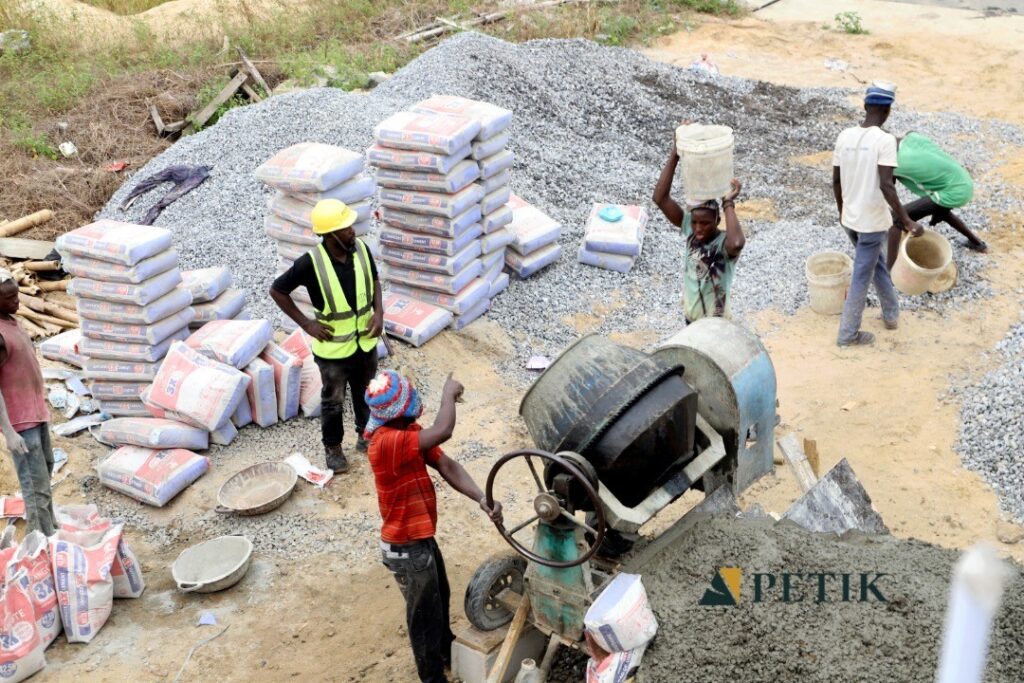
Durability in construction is not determined by paint finishes, tiles, or lighting fixtures. It is decided much earlier, during structural concrete works. This is the stage that permanently defines the strength, stability, and long-term performance of a building. Once concrete sets, there is no undo button. Mistakes made here are locked into the structure for decades. If durability matters to you as a homeowner or investor, this is the stage you should pay close attention to. 1. Why Concrete Work Is a Make-or-Break Stage Concrete is more than just a mix of cement, sand, and aggregates. It is the backbone of slabs, beams, columns, and foundations. At this stage, every technical decision matters: The quality of materials used The accuracy of the mix ratio The amount of water added Proper reinforcement placement The method of pouring and compaction The curing process Concrete captures every one of these decisions permanently. When excess water is added to make pouring easier, strength is reduced. When reinforcement bars are displaced during pouring, structural capacity is compromised. When concrete is poured too quickly or unevenly, segregation can occur, weakening the slab internally. The most concerning part? Many of these defects are invisible at first. They stay hidden beneath screeding, tiles, ceilings, and paintwork. Years later, they begin to show up as: Cracks in walls and ceilings Floor deflection Structural fatigue Moisture intrusion Costly structural repairs By the time they appear, corrections are complex and expensive — sometimes impossible without major reconstruction. 2. What Proper Concrete Handling Should Look Like High-quality concrete work requires discipline and technical control. It involves: Accurate batching and controlled water ratios Proper vibration to eliminate air pockets Even distribution to prevent weak spots Careful monitoring of reinforcement alignment Strict curing procedures to ensure strength development Concrete gains strength over time, but only if it is protected during curing. Poor curing leads to shrinkage cracks and reduced load-bearing capacity. Speed without control is the enemy of durability. 3. How Concrete Is Handled at Cowrie Creek Estate At Cowrie Creek Estate, developed by Petik Limited, concrete works are treated as a precision-critical operation. Before any pouring begins: Reinforcement grids are aligned and securely tied to maintain design spacing. Structural steel placement is inspected to ensure compliance with engineering drawings. Temporary walkways are installed to prevent workers from stepping directly on reinforcement bars and shifting them out of position. During pouring: Concrete is distributed evenly across slabs and structural elements. Levelling is done carefully to prevent segregation. Compaction is controlled to eliminate voids without disturbing reinforcement placement. After pouring: Adequate curing time is strictly observed. Moisture retention is maintained to allow proper hydration. Structural elements are not prematurely loaded. The focus is not just on completing the pour, but on preserving structural integrity. 4. Strength Over Speed In many projects, construction timelines drive decisions. Faster pours, quicker finishing, and earlier handover. But concrete does not respond well to impatience. At Petik Limited, the priority is long-term structural reliability over short-term speed. Concrete is allowed to cure properly, reducing shrinkage cracking and improving load-bearing performance. This deliberate approach enhances: Structural stability Long-term durability Resistance to environmental stress Overall property value 5. Why This Matters to You If you are buying a home or investing in property, finishes can be upgraded. Fixtures can be replaced. Interiors can be redesigned. But structural concrete cannot be redone without major reconstruction. This stage determines: How well the building handles the load How it resists cracking over time How does it withstand environmental exposure How much maintenance will it require in the future Durability is not a visible feature, but it is the most valuable one. And it is built into the structure long before the paint goes on. At the end of the day, lasting value is not created by aesthetics.It is created in the concrete.

If You Care About Durability, This Construction Stage Should Worry You Read More »

Scroll to Top