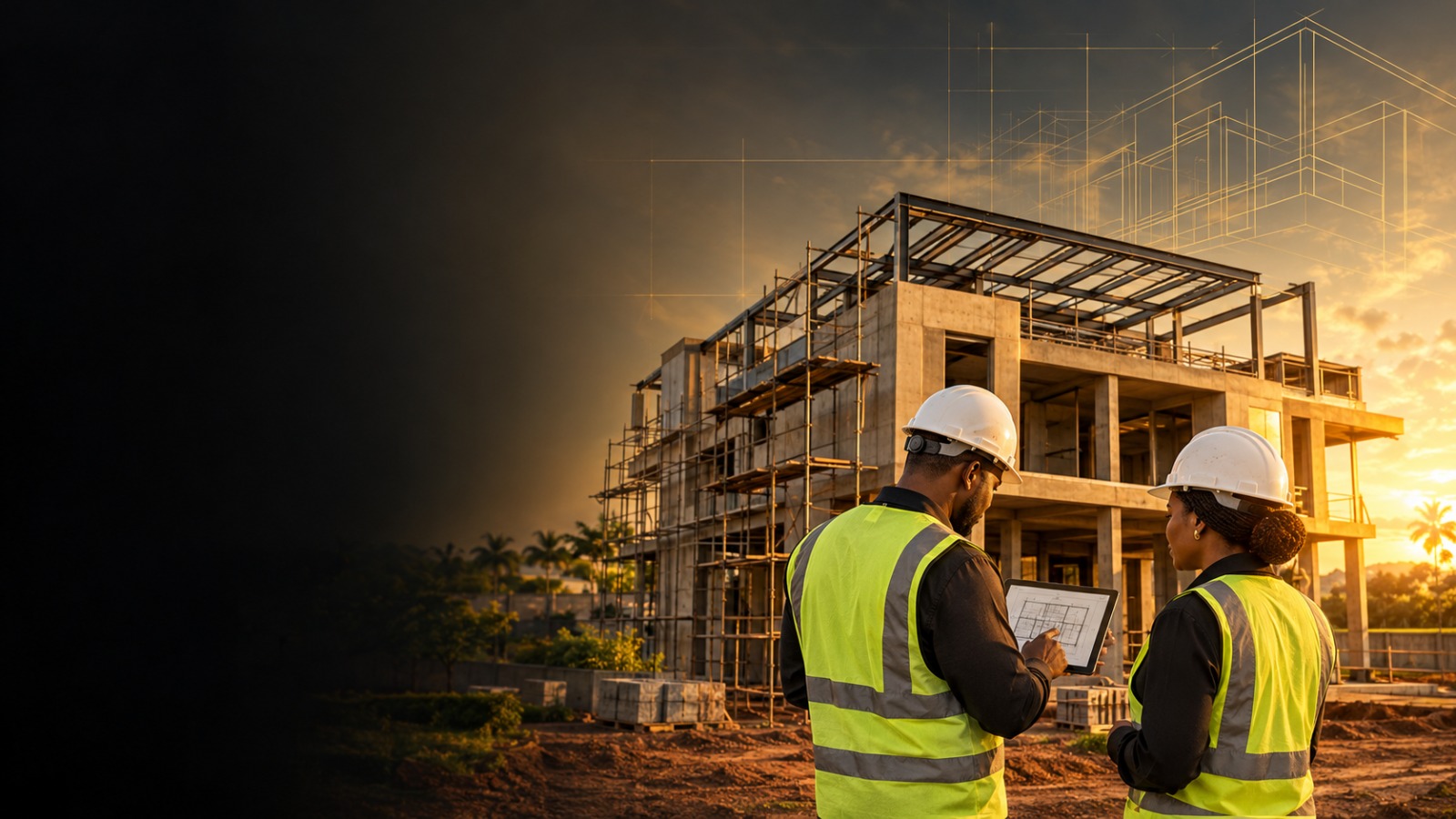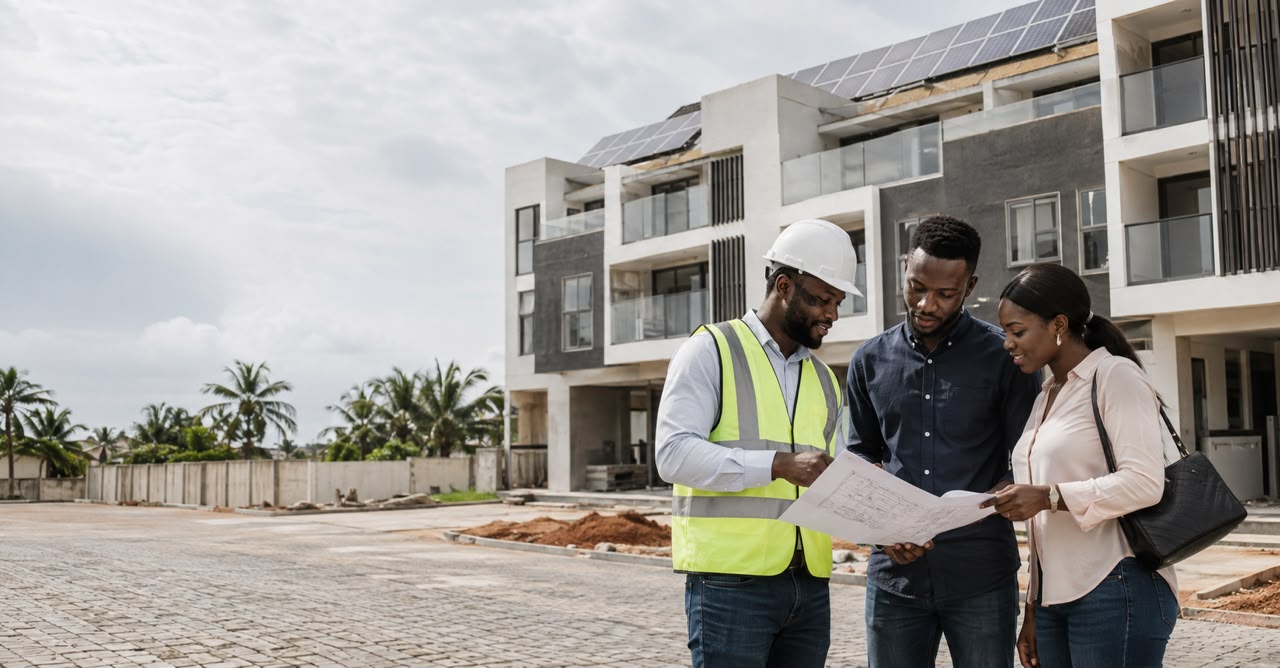
Construction Process in Nigeria: Step-by-Step Guide from Foundation to Finish

Understanding the construction process in Nigeria is essential for anyone planning to build a home or commercial property. Without proper knowledge, it is remarkably easy to make costly mistakes, experience project delays, or fall victim to substandard work.

This comprehensive guide clearly breaks down each stage of the building journey, helping you navigate the process with confidence and keep your investment secure.

The 5 Essential Stages of Construction

  [ Site Prep & Foundation ] ➔ [ Structural Work ] ➔ [ Roofing Stage ]
                                                             │
  [ Finishing Stage ] ◄──────── [ First Fix ] ◄──────────────┘
1. Site Preparation and Foundation

Every successful, long-lasting project starts with proper groundwork. A building is only as strong as the earth beneath it and the foundation holding it up.

  • Land Clearing and Leveling: Removing debris, vegetation, and topsoil to create a clean, workable canvas.

  • Soil Testing: Analyzing the soil type (especially crucial in coastal regions like Lagos) to determine the appropriate foundation type (e.g., strip, raft, or piling).

  • Excavation and Foundation Casting: Digging trenches and pouring concrete reinforced with steel to establish a solid structural base.

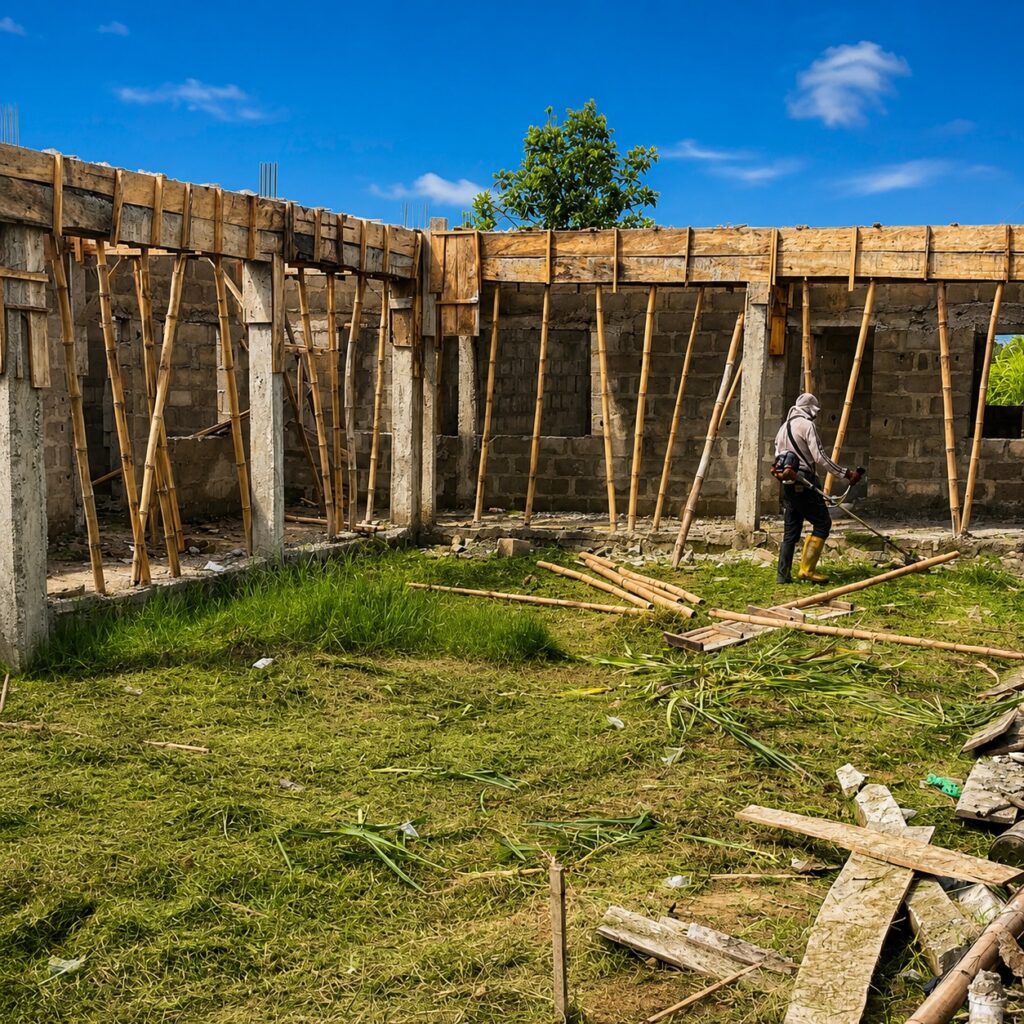
2. Structural Work (The Carcass Stage)

Once the foundation has fully cured, the building’s skeletal structure begins to take shape. This is where structural integrity is solidified.

  • Block Laying: Setting the walls using quality sandcrete blocks.

  • Reinforced Columns and Beams: Casting concrete pillars and beams to distribute load-bearing weight safely.

  • Lintel Construction: Creating reinforced concrete supports over doors and windows to prevent structural sagging.

Pro-Tip: Precision and alignment during this stage are non-negotiable. Even a minor structural defect here can lead to dangerous wall cracks later.

3. Roofing Stage

With the carcass complete, the roofing stage seals the building envelope, protecting your structure and future interior installations from the harsh Nigerian elements.

  • Roofing Carpentry: Building a sturdy wooden or steel truss framework.

  • Material Selection: Choosing high-quality, durable sheets (such as aluminum, stone-coated tiles, or step-tiles) that can withstand heavy tropical downpours and intense UV rays.

  • Effective Drainage Systems: Installing proper gutters and downspouts to redirect rainwater away from the foundation.

4. First Fix Installations

Before any plastering or cosmetic work can hide what is inside the walls, the building’s critical internal organs must be laid out.

  • Electrical Conduit Piping & Wiring: Laying the conduits and pulling wires through walls and ceilings.

  • Plumbing Systems: Installing waste and supply pipe networks for kitchens, bathrooms, and drainage.

  • Mechanical Fittings: Preparing routes for air conditioning units and ventilation systems.

5. The Finishing Stage

This is the transformative phase where raw concrete and blockwork become a beautiful, livable space. Quality finishing directly impacts both the aesthetic appeal and the market value of the property.

  • Plastering and Screeding: Applying cement plaster to internal and external walls, followed by screeding to achieve perfectly smooth surfaces.

  • Tiling and Flooring: Installing ceramic, vitrified, or marble tiles across rooms and walkways.

  • Painting and Fixtures: Applying premium weather-resistant paints and installing internal doors, wardrobes, sanitary wares, and light fittings.

Common Mistakes to Avoid

To ensure your building project survives the test of time and stays within budget, protect yourself from these frequent pitfalls:

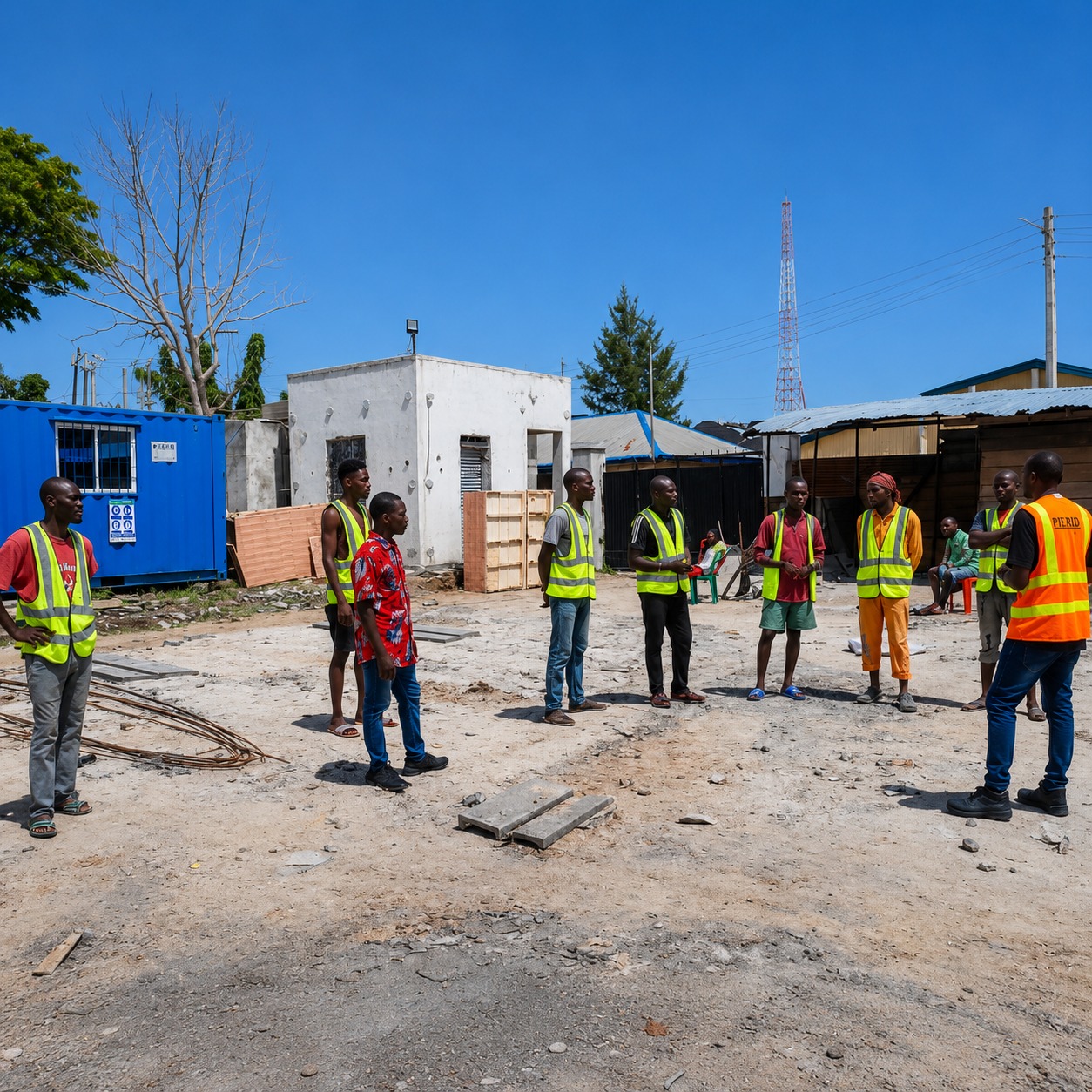
  • Poor Site Supervision: Leaving the site entirely in workers’ hands without qualified, independent supervision leads to corner-cutting.

  • Substandard Materials: Opting for cheap, low-grade cement, thin steel rods, or poorly cured blocks will compromise your home’s structural safety.

  • Hiring Inexperienced Contractors: Relying on uncertified “quacks” to save money upfront almost always results in spending twice as much to fix their errors later. Work only with registered engineers and builders.

Most Recent Posts

  • All Posts
  • African Culture
  • Architectural Design
  • Best Builders
  • building with purpose
  • Client Stories
  • Concrete works Nigeria
  • Construction
  • construction craftsmanship
  • Construction Education
  • construction Nigeria
  • Eco-friendly construction
  • Green building Nigeria
  • Heritage Travel
  • Hot
  • House for Rent
  • House for sale
  • inclusive building design
  • Insider
  • Land For Sale
  • Marketing Plan
  • New Buildings
  • News
  • Petik Projects
  • Project Management
  • Property
  • Property Investment
  • quality construction company Nigeria
  • Real Estate
  • Real Estate Updates
  • Structural Engineering
  • Structural steel Nigeria
  • Sustainable Building
  • Sustainable building Nigeria
  • Sustainable Growth & Shortlet ROI
  • Test Category
  • Trust & Transparency
  • Trusted builders Nigeria

Categories

Tags

Scroll to Top