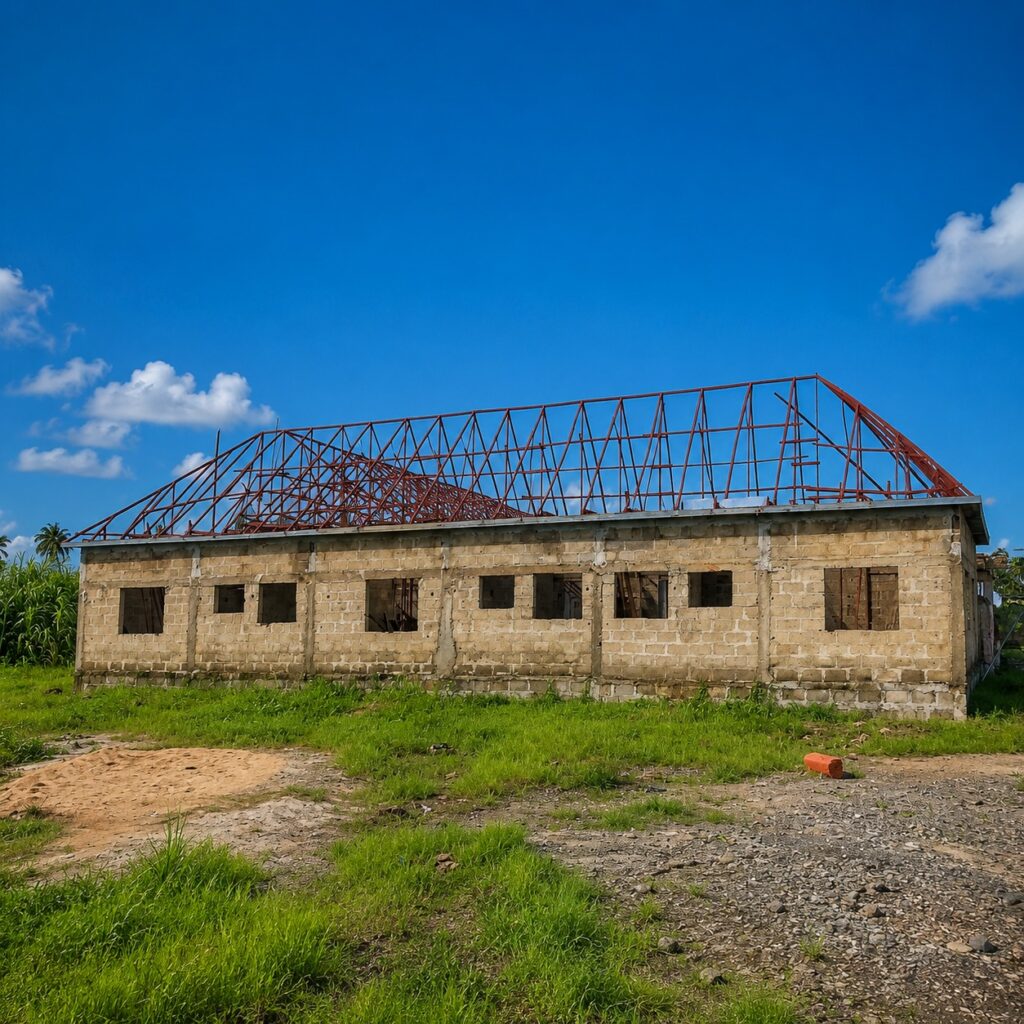
5 Warning Signs to Watch for Before Signing a Building Contract in Nigeria
5 Warning Signs to Watch for Before Signing a Building Contract in Nigeria Introduction Building a residential or commercial property is a major investment. Whether you are constructing your family home, developing rental apartments, building an office, or investing in a commercial property, the success of the project depends heavily on the contractor you choose. A good contractor should provide more than construction labour. You need a partner who understands project planning, budgeting, materials, timelines, quality control, safety, and communication. Unfortunately, not every contractor operates with the same level of professionalism. Choosing an unverified or poorly managed contractor can lead to abandoned construction sites, escalating costs, poor workmanship, construction delays, material substitution and serious financial losses. In extreme cases, poor construction practices can also compromise the building’s structural safety. One of the best ways to protect yourself is to identify potential problems before you sign the contract or release significant funds. Here are five important contractor red flags every property owner in Nigeria should watch for. 1. Vague or Non-Itemized Estimates One of the first warning signs is a contractor who gives you a large lump-sum figure without explaining exactly what the money covers. For example, being told: “The entire building will cost ₦X million.” may sound straightforward, but it does not give you enough information to properly evaluate the proposal. A professional construction estimate should provide reasonable detail about the expected scope and costs of the project. What should you look for? Depending on the project, an estimate may include information about: Materials Labour Quantities Material specifications Equipment Transportation Site preparation Professional fees Project management Finishing Allowances for specified items Other agreed project costs The clearer the costs are documented, the easier it is to understand where your money is going. Why vague estimates are risky A vague quotation can create disagreements later. A contractor may claim that certain work was not included in the original price, leading to repeated requests for additional payments. This can make it difficult for the property owner to distinguish between legitimate variations and unexpected cost increases. What to do Before signing, ask the contractor to provide a clear, sufficiently detailed quotation or bill of quantities appropriate to the size and nature of the project. Make sure you understand what is included, what is excluded and how variations will be handled. 2. Refusing or Hesitating to Sign a Formal Contract A construction project should not depend entirely on verbal promises. If a contractor is reluctant to put the agreement in writing, consider it a serious warning sign. A properly prepared building contract creates a shared understanding between the property owner and contractor about the project’s expectations. Your contract should address important areas such as: Project scope Construction specifications Responsibilities of each party Project commencement date Expected completion timeline Payment structure Project milestones Quality standards Materials and specifications Change or variation procedures Defect correction Warranties where applicable Dispute resolution Termination conditions Health and safety responsibilities The exact terms should suit the project and be reviewed by the relevant professionals. Why verbal agreements can become problematic Imagine that you and a contractor verbally agree that the project will be completed within eight months. Six months later, the project is significantly behind schedule. Without a clear written agreement defining the timeline, responsibilities, and consequences of delays, resolving the disagreement becomes much harder. A professional contractor should welcome clarity A formal contract is not designed to create conflict. It is designed to prevent misunderstandings before they occur. If a contractor says, “We don’t need a contract; just trust me,” you should take a step back and reconsider. 3. Demanding 100% Payment Upfront Another major red flag is a contractor who insists on receiving the entire project payment before meaningful work begins. Construction projects typically involve multiple stages, materials, labor, and measurable progress. For many projects, a milestone-based payment structure provides greater accountability because payments can be linked to agreed stages of work. Why full upfront payment is risky Once a contractor has received the entire project budget, the property owner may have significantly less leverage if: Work slows down The contractor becomes unresponsive Materials are not purchased as promised The project is abandoned The scope changes Quality deteriorates The contractor experiences financial problems A better approach Where appropriate, structure payments around clearly defined milestones. For example, payments may be linked to agreed stages such as: Project mobilisation → Foundation → Structural works → Roofing → MEP installations → Finishing → Completion The specific structure should be determined by the project’s scope, contract terms and professional advice. Remember Payment should be connected to performance, not simply promises. A transparent contractor should be willing to discuss a payment structure that gives both parties clarity and accountability. 4. Poor or Unclear Material Quality Control The materials used in construction directly affect a building’s durability, functionality, and safety. If a contractor is vague about material specifications or seems willing to substitute materials without approval, raise concerns. Construction is not simply about making a building look good. What happens beneath the surface matters just as much. Important materials can include: Cement Concrete Reinforcement steel Blocks Sand Aggregates Timber Roofing materials Electrical components Plumbing materials Doors and windows Finishing materials The right specifications depend on the project’s design and engineering requirements. Why quality control matters Poor-quality or unsuitable materials can contribute to: Cracking Water penetration Premature deterioration Plumbing failures Electrical problems Structural problems Expensive repairs For structural components in particular, materials should meet the requirements specified by the project’s engineers and applicable standards. Be careful with unauthorized substitutions Suppose your building specification calls for a particular grade or type of material. A contractor should not simply substitute a cheaper alternative without appropriate approval. Cost-saving should never come at the expense of quality or safety. Ask about quality control Before signing a contract, ask: What material specifications will be used? Who approves material substitutions? How will materials be inspected? Are relevant tests required? Who supervises construction quality? How will defective work be handled? A professional
5 Warning Signs to Watch for Before Signing a Building Contract in Nigeria Read More »