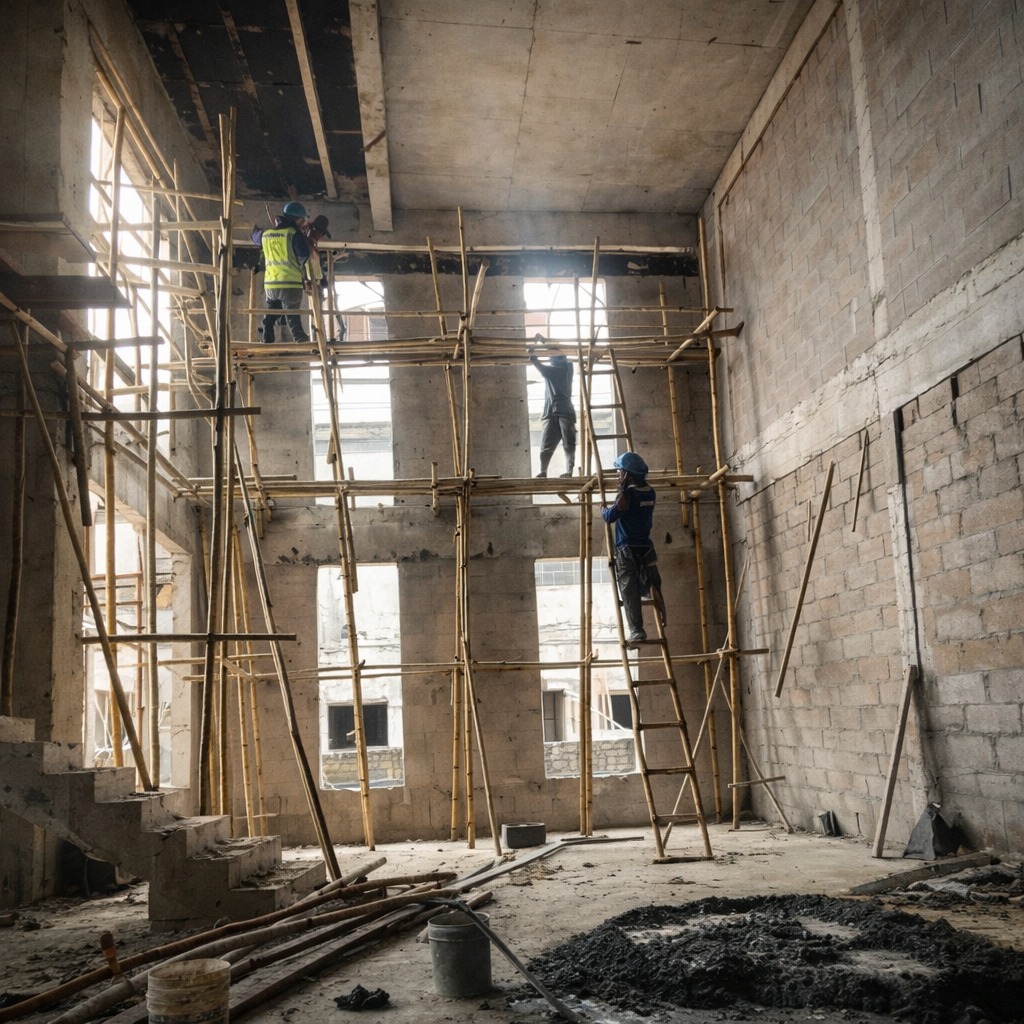
What ₦15 Million Actually Buys You in Nigerian Construction Today: A Full Cost Breakdown

What ₦15 Million Actually Buys You in Nigerian Construction Today: A Full Cost Breakdown One of the biggest challenges facing private property developers in Nigeria is uncertainty around construction costs. A project may begin with a seemingly manageable budget, only for expenses to increase as construction progresses. Unexpected increases in material prices, changes in specifications, additional labor requirements, poor initial planning, and unclear contractor quotations can all place pressure on a project’s finances. This is why understanding how a construction budget is allocated before work begins is essential. For illustration, consider a ₦15 million residential construction budget. While the exact figures will depend on the location, size, design, specification, market conditions, and stage of construction, the budget can be broadly divided into three major areas: building materials, skilled labor, and professional/project management costs. The figures below should therefore be treated as a planning framework rather than a fixed quotation or current market price. Where Does ₦15 Million Go? A well-planned residential construction budget generally needs to account for more than cement, blocks, and labor. Professional services, approvals, supervision, transportation, and other project-related expenses can also affect the total cost. A simplified allocation of the ₦15 million budget could look like this: 1. Building Materials — 55% to 60% Approximately ₦8.25 million to ₦9 million could be allocated toward core construction materials, depending on the project’s specifications. This category may include: Sandcrete blocks and cement Reinforcement steel and other structural materials Granite, sharp sand, and other aggregates Timber and roofing materials Electrical conduits and accessories Plumbing pipes and fittings Masonry materials Other materials required for the relevant stage of construction Material costs can represent one of the largest portions of a construction budget. Prices may also change during a project, making proper procurement planning particularly important. The quality and specification of materials should also be clearly established before construction begins. A low-cost material may reduce the immediate expense but could create quality or maintenance problems later. 2. Skilled Labor and Artisans — 25% to 30% Approximately ₦3.75 million to ₦4.5 million could be allocated toward skilled labor and site operations. Depending on the project stage, this may cover: Masons Iron benders Carpenters Plumbers Electricians Tilers Painters Machine operators Site clearing teams General laborers Labor costs can vary significantly depending on location, project complexity, skill level, and whether workers are paid daily, weekly, or based on specific tasks. Using experienced artisans and establishing clear scopes of work can help reduce avoidable rework and improve productivity on site. 3. Professional Services, Approvals and Project Management — 10% to 15% Approximately ₦1.5 million to ₦2.25 million could be allocated to professional and project-management-related expenses. Depending on the project, this may include: Architectural drawings Structural engineering Engineering reviews Building approvals and permits Site supervision Quality-control inspections Project coordination Construction management Other professional services These costs are sometimes overlooked when property owners prepare their initial budgets. However, professional oversight can play an important role in ensuring that construction follows the approved design and required standards. What Does This Mean for the Property Owner? A ₦15 million construction budget does not simply mean spending ₦15 million on physical materials. A significant portion of the budget goes into the people, expertise, planning, supervision, and processes required to turn a design into a completed building. For example, allocating the entire budget toward materials without accounting for professional services and labor can create a situation where construction begins successfully but later runs out of funding. Good construction planning therefore starts with understanding the complete project cost, rather than focusing on individual material prices. Why a Bill of Quantities Matters One of the most important documents in a properly planned construction project is the Bill of Quantities (BOQ). A BOQ provides a structured breakdown of the work and materials required for a project. It can help the property owner understand what is being purchased, the quantities involved, and the associated costs. Before committing substantial funds to construction, property owners should seek a properly prepared cost estimate or BOQ that reflects the actual project design and specifications. This provides a clearer basis for comparing quotations and identifying significant changes in cost. Avoiding Mid-Project Financial Surprises Construction costs can change. Material prices may rise, designs may be modified, site conditions may differ from initial expectations, and clients may decide to upgrade specifications during construction. However, good planning can reduce unnecessary surprises. A well-structured construction agreement should clearly establish: The scope of work Materials and specifications Payment milestones Responsibilities of each party Project timelines Variation procedures Quality expectations Supervision arrangements Milestone-based payments can also help property owners monitor progress before releasing funds for subsequent stages. Transparency Starts Before Construction For a construction company, transparency should begin before the first block is laid. Property owners should understand what their money is paying for, what is included in the quotation, what may constitute an additional cost, and how changes to the project will be handled. At Petik Limited, the objective is to approach construction with proper planning, structured execution, and clear communication so that clients have a better understanding of their projects from the beginning. Final Thoughts A ₦15 million construction budget can provide a useful starting point for understanding how construction expenses are distributed, but it should never be treated as a universal price for building a house in Nigeria. The actual cost will depend on factors such as location, land conditions, building size, architectural design, material specifications, labor costs, finishing standards, approvals, and prevailing market prices. The most important lesson is therefore not simply how much ₦15 million can buy. It is the importance of planning every naira before construction begins. A clear scope of work, realistic budget, properly prepared BOQ, professional supervision, and transparent communication can give property owners greater control over their construction projects and help reduce avoidable financial surprises. Planning properly today can make the difference between a project that stalls halfway and one that progresses confidently toward completion. Most Recent Posts All Posts African Culture Architectural Design Best Builders

What ₦15 Million Actually Buys You in Nigerian Construction Today: A Full Cost Breakdown Read More »
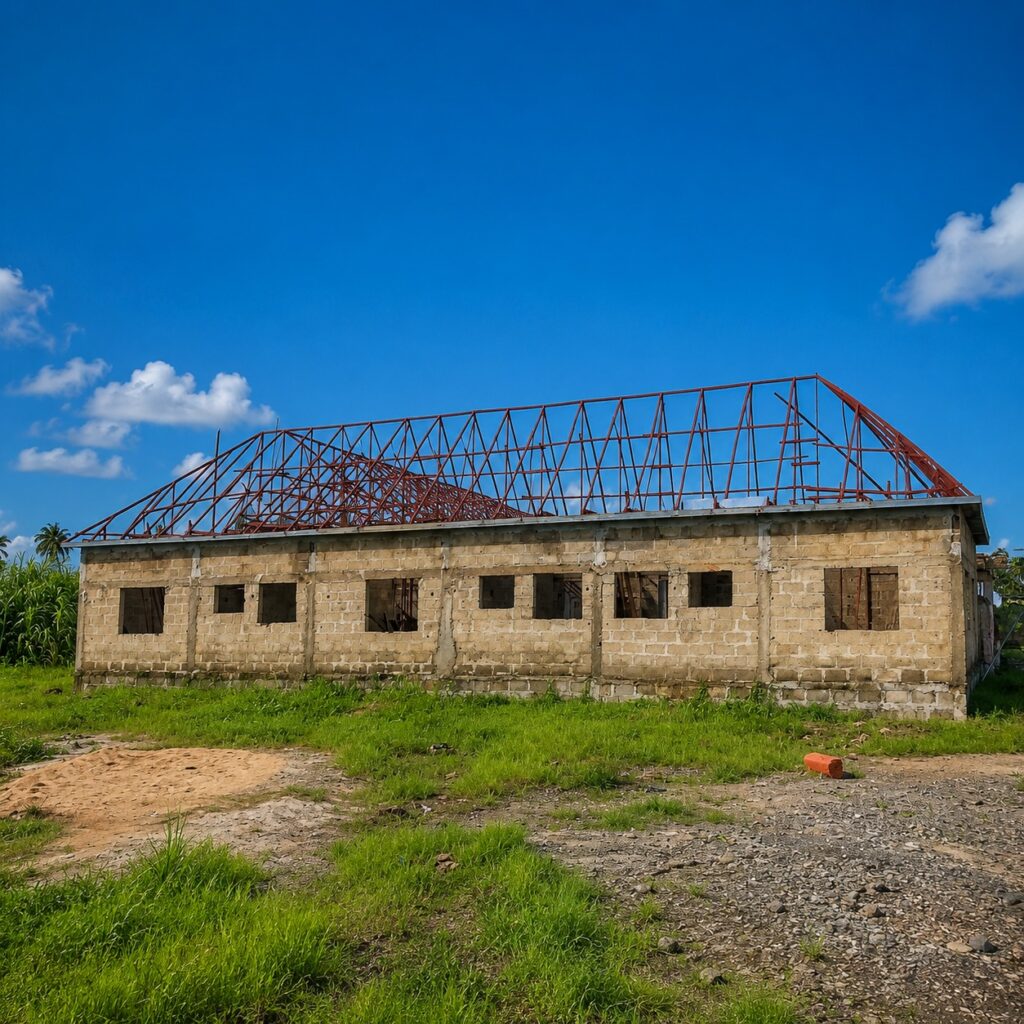
Reliable Construction Company in Nigeria: What Showing Up Really Means

Reliable Construction Company in Nigeria: What Showing Up Really Means In Nigeria’s construction industry, one phrase is used far too often: “We’ll deliver.” Unfortunately, a massive gap usually exists between that initial handshake and the actual reality on the ground. Many property owners, particularly those in the diaspora, have experienced the nightmare of delayed timelines, abandoned sites, inflated material costs, or poor-quality work that requires expensive corrections. This is why choosing a reliable construction company in Nigeria is the single most critical decision you will make when starting a building project. True reliability is not a marketing catchphrase; it is a system of discipline, engineering precision, and accountability. Let’s break down what “showing up” really means when executing a construction project. 1. Showing Up from Day One: Effective Site Mobilization Reliability starts long before the first bag of cement is mixed or the first block is laid. Far too many projects stall at the paperwork stage because contractors lack the organizational capability to transition from planning to execution. A dependable building contractor ensures: Immediate Site Mobilization: Deploying security, temporary perimeter fencing, and essential machinery to the plot the moment the contract is activated. Clear Project Planning and Scheduling: Laying out a transparent, milestone-by-milestone schedule (e.g., Gantt charts) so you know exactly when the foundation, framing, and roofing phases will begin and end. Early-Stage Execution Without Delays: Moving from site clearing to foundation marking with absolute intention and speed, taking full advantage of favorable weather windows. At Petik, we believe that a project’s momentum is established in its very first week. Our team moves rapidly from blueprints to physical action, ensuring your capital is immediately put to work on-site rather than sitting idle. 2. Consistency Over Empty Promises: Sustaining the Momentum Many contractors begin a project with high energy but quickly lose steam. You might see a site buzzing with twenty laborers during the first week, only for it to become a ghost town by week three. Consistency is what separates professional construction companies from erratic, unvetted builders. True consistency requires: Daily On-Site Activity: Maintaining a steady, scheduled presence of skilled craftsmen, masons, and supervisors every single day until a milestone is met. Structured Workflow Management: Ensuring building materials are procured and delivered to the site before they are needed, eliminating downtime caused by supply chain delays. Continuous, Rigorous Supervision: Having site engineers physically present to oversee material mixing ratios, structural alignment, and safety protocols. When work progresses steadily without sudden, unexplained halts, projects are completed significantly faster, keeping labor costs controlled and maximizing structural efficiency. 3. Transparency Builds Confidence: Communication is Key Building a property can be an emotionally and financially stressful journey—especially if you are managing the project remotely. Poor communication from a builder breeds suspicion, and rightfully so. A reliable construction company removes the anxiety of the unknown by providing absolute transparency: Comprehensive Written Agreements: Clear, detailed contracts that outline the exact scope of work, material specifications, and payment terms, leaving zero room for hidden fees. Regular, Data-Driven Updates: Providing weekly or bi-weekly progress reports complete with high-definition photos, videos, and milestone trackers. Clear Visibility Into Materials and Processes: Giving you a transparent breakdown of the quality, brands, and quantities of steel, cement, and finishes being utilized on your structure. This open approach ensures you are never left wondering where your money went or what is happening on your land. It shifts the relationship from a stressful transaction to a confident partnership. Why True Reliability Matters for Your Project When you partner with a disciplined, systems-driven construction company like Petik, you are protecting your investment from the risks that plague the Nigerian building sector. The benefits of true reliability include: Timely Project Delivery: Avoiding the compounding holding costs that come with years of delayed handovers. Controlled, Predictable Costs: Staying within your budgeted figures instead of dealing with constant, artificial material inflation requests. High-Quality, Structural Integrity: Building a structure that adheres strictly to the Nigerian Society of Engineers ($NSE$) standards, preserving your asset’s value for generations. In contrast, cutting corners with unreliable contractors almost always leads to severe financial loss, emotional frustration, and compromised structures. Reliability is not an accidental outcome—it is an intentional commitment to showing up, doing the work right, and standing behind every brick laid. Most Recent Posts All Posts Architectural Design Best Builders building with purpose Concrete works Nigeria Construction construction craftsmanship construction Nigeria Eco-friendly construction Green building Nigeria Hot House for Rent House for sale inclusive building design Insider Land For Sale Marketing Plan New Buildings News Petik Projects Project Management Property Property Investment quality construction company Nigeria Real Estate Real Estate Updates Structural Engineering Structural steel Nigeria Sustainable Building Sustainable building Nigeria Test Category Trusted builders Nigeria Reliable Construction Company in Nigeria: What Showing Up Really Means Build Once, Earn Forever: The Smart Investor’s Guide to Quality Real Estate in Nigeria Architecture for All: Embracing Universal and Sustainable Design in Nigerian Homes Categories Architectural Design (3) Best Builders (17) building with purpose (9) Concrete works Nigeria (10) Construction (17) construction craftsmanship (9) construction Nigeria (9) Eco-friendly construction (2) Green building Nigeria (1) Hot (4) inclusive building design (1) Land For Sale (3) New Buildings (3) News (1) Petik Projects (13) Project Management (1) Property Investment (1) quality construction company Nigeria (1) Real Estate (7) Real Estate Updates (7) Structural Engineering (1) Structural steel Nigeria (3) Sustainable Building (1) Sustainable building Nigeria (1) Trusted builders Nigeria (3) Tags A House? Acquisition Age Friendly Design building contractor Building Failures Nigeria buy Buy A House? Buy House? Buyers Civil Works construction company construction Nigeria Damp Proofing Diaspora Real Estate Drainage Systems Foundation First Green Construction Home home developments in Nigeria. Home Inspection Inclusive Building Investing Investing In A Real Estate Property Investment Property Lagos Multi Unit Development Nigeria Nigeria Construction Nigerian Real Estate Investment Petik Petik Builds Petik Limited Planning Project Management Quality Control Real Estate Real Estate Investing Real Estate Investment Real Estate Nigeria Real Estate Property Reinforced Concrete reliable builders Rent Should Should I Rent Should I Rent Or Buy A House? Site Mobilization Structural Engineering Structural Integrity Sustainable Architecture Tips Top Real Estate Companies in Lekki Universal

Reliable Construction Company in Nigeria: What Showing Up Really Means Read More »

Scroll to Top