Shares or Property What the Dangote IPO Means for Investors

Shares or Property? What the Dangote IPO Means for Investors

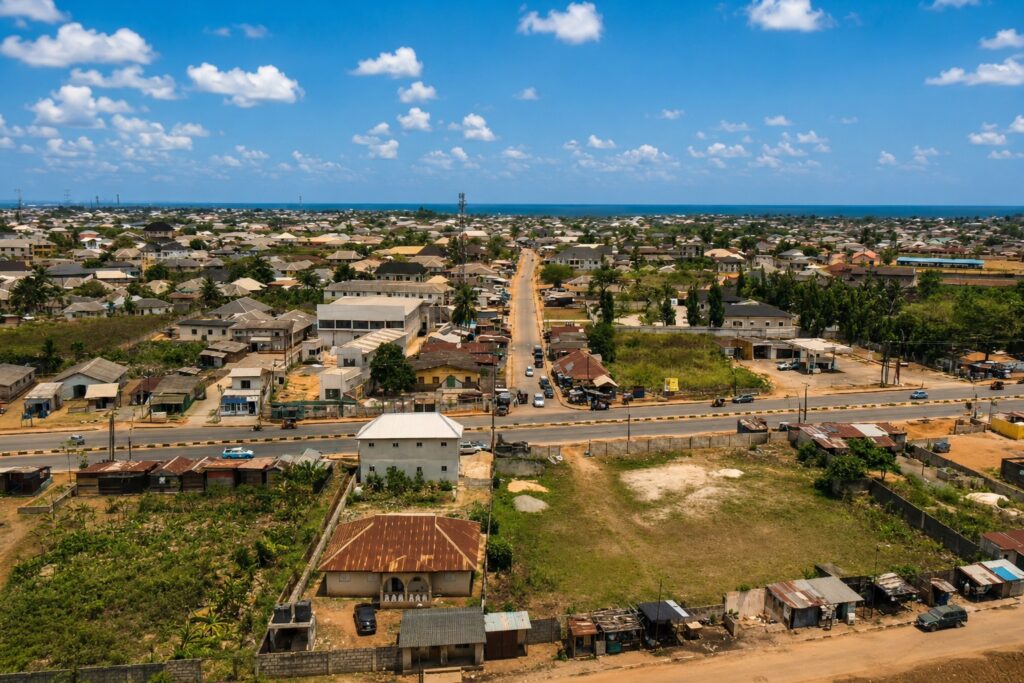
Shares or Property? What the Dangote IPO Means for Investors The Dangote IPO has renewed conversations about investment opportunities in Nigeria and what it means to invest in shares of a major Nigerian company. For investors, however, the conversation goes beyond one particular public offering. It raises a broader question: Should your money go into shares, land, or property? Shares and real estate are different asset classes with different risks, liquidity, income potential, time horizons, and responsibilities. Rather than asking which investment is automatically better, investors should consider what they are buying, what risks they are taking, how long they intend to hold the investment, and what role it plays in their overall financial plan. For the Nigerian real estate market, this conversation provides an opportunity to look more closely at how investors should approach property. SHARES AND PROPERTY ARE DIFFERENT INVESTMENTS Buying shares means purchasing an ownership interest in a company. An investor may potentially benefit from an increase in share value and, where declared, dividends. Real estate works differently. When you buy land or property, you acquire a physical asset that you can potentially develop, occupy, rent, sell, or hold for future use. Land may generate no regular income while you hold it, while a completed rental property can generate rental income. At the same time, property ownership involves considerations such as title, location, development costs, maintenance, infrastructure, and liquidity. This means you shouldn’t compare shares and property by asking which one will make more money. WHAT THE DANGOTE IPO CONVERSATION TEACHES INVESTORS The renewed interest in the Dangote IPO highlights several investment principles that also apply to real estate. 1. UNDERSTAND WHAT YOU ARE BUYING Before investing in shares, investors need to understand the company, offer terms, financial information, risks, and other relevant information. Real estate requires the same discipline. Before buying land or property, investors should understand: Who owns the property The title and documentation The exact location Survey information Existing encumbrances Development plans Infrastructure Payment obligations Resale considerations Don’t buy a property just because someone says it will appreciate. 2. DUE DILIGENCE SHOULD COME BEFORE PAYMENT An attractive property presentation does not replace proper verification. For real estate buyers, due diligence may involve legal checks, survey verification, ownership confirmation, government acquisition checks, physical inspection, and careful review of transaction documents. This becomes particularly important when purchasing land for long-term investment. The objective is not simply to find a property that looks attractive today, but to understand exactly what you are buying and the conditions attached to it. 3. LIQUIDITY MATTERS Another important difference between shares and property is liquidity. Shares traded on a functioning market can potentially be bought or sold, subject to market conditions and liquidity. Property is different. Selling land or a building can require finding a buyer, negotiating a price, preparing documentation, and completing the necessary transaction processes. Investors should therefore consider when they may need access to their money before committing capital. 4. LOCATION MATTERS IN REAL ESTATE A share represents an interest in a business. Land is tied to a specific physical location. This makes location one of the most important considerations in real estate. Investors should consider: Road accessibility Infrastructure development Nearby commercial activity Population growth Housing demand Drainage and environmental conditions Availability of utilities Planning and development regulations Infrastructure can influence accessibility and development activity, but it does not guarantee that every property in an area will appreciate. You still need to assess each property on its own merits. 5. LOOK BEYOND THE PURCHASE PRICE An attractive entry price matters, but investors should look beyond the initial purchase price. For real estate, the total investment may include: Purchase Price + Legal Fees + Documentation + Survey + Development Costs + Maintenance = Total Investment Cost This matters especially when comparing undeveloped land with completed property. A plot of land may require years of holding before development creates additional value, while a completed property may require more capital but potentially generate rental income. LAND CAN PLAY A LONG-TERM ROLE For some investors, land is primarily a long-term asset. Investors can acquire it for future development, family use, resale, or other strategic purposes. However, land should not automatically be described as a guaranteed wealth-building asset. Its performance can depend on factors including location, title, infrastructure, demand, purchase price, development activity, and holding period. This is why proper research matters more than simply buying because an area is being promoted as “the next big thing.” PROPERTY CAN OFFER USE AND INCOME Completed property can serve several purposes. A residential property may be used as a family home. It may also be rented to tenants, operated as a short-let where appropriate, or eventually sold. This creates a different investment profile from simply holding vacant land. However, income-producing property also comes with responsibilities, including maintenance, vacancy periods, repairs, management costs, and other operating expenses. Potential rental income should therefore be assessed against the full cost of owning and managing the property. DIVERSIFICATION MAY MATTER MORE THAN THE DEBATE The shares-versus-property discussion can make investing sound like a choice between two competing options. It doesn’t have to be. Depending on an investor’s financial circumstances, objectives, available capital, risk tolerance, and investment horizon, different asset classes can serve different purposes. The more useful question may be: What role should each investment play in my overall financial plan? For one investor, shares may provide exposure to businesses and financial markets. For another, land may form part of a long-term property strategy. Another investor may have exposure to both financial assets and real estate. WHAT THIS MEANS FOR NIGERIAN PROPERTY INVESTORS The Dangote IPO conversation reminds us that investment decisions should be based on information rather than excitement. Whether you are considering shares or real estate, ask: What am I buying? What risks am I taking? How long can I hold it? How easily can I access my money? What additional costs are involved? What evidence supports the investment case? Have I independently verified the transaction?

Shares or Property? What the Dangote IPO Means for Investors Read More »
Flood-Resilient Buildings in Nigeria: Why Smart Design Matters

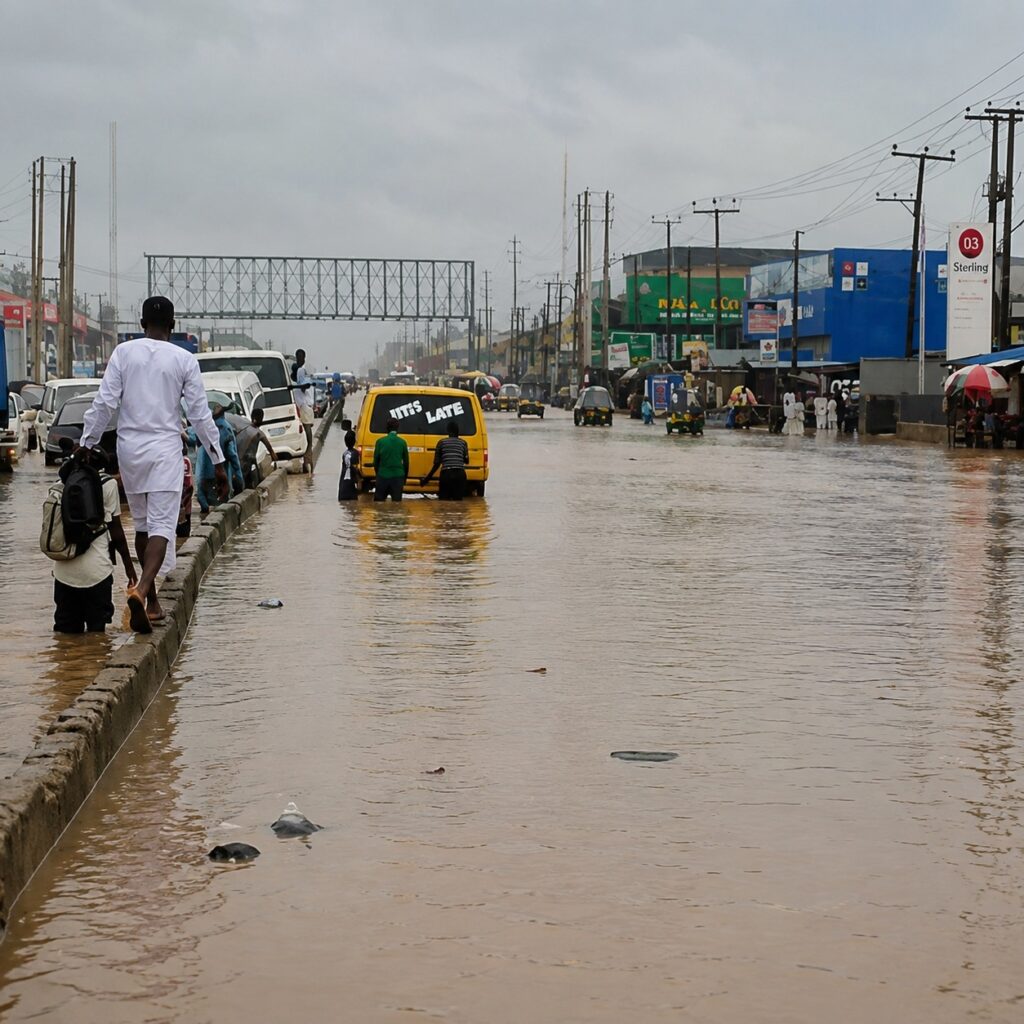
Flood-Resilient Buildings in Nigeria: Why Smart Design Matters Nigeria’s latest flood warnings should not be viewed only as an emergency-management issue. They should also be viewed as a construction and real estate issue. On September 21, 2026, the Lagos State Government advised residents in identified flood-prone and low-lying communities to move to safer, elevated areas following a fresh seven-day flood alert from the Nigeria Hydrological Services Agency (NiHSA). The advisory covers September 19–25 and includes Lagos among the affected states. This comes after repeated flood-risk warnings throughout the 2026 rainy season. NEMA reported in September that NIHSA had identified 14,118 communities across 266 LGAs in 33 states and the FCT as being at high risk of flooding in 2026. The message for Nigeria’s property industry is becoming increasingly difficult to ignore: We cannot continue designing buildings only for today’s conditions. Buildings must be designed with the realities of flooding, heat, unreliable power and changing environmental conditions in mind. For Petik Limited, this is part of a larger question about the future of construction in Nigeria: Are we simply building more, or are we building better? Flood Risk Is a Building Design Issue People often discuss flooding in terms of rainfall, drainage channels, and emergency response. But a building’s design and location can determine how severely flooding affects it. A poorly positioned or poorly designed building may experience: Water entering living spaces Damage to electrical installations Deterioration of walls and finishes Damage to foundations and external works Loss of household and commercial assets Disruption of business operations Expensive repairs and maintenance Flood resilience therefore needs to be considered before construction begins, not after the first major flood. What Does a Flood-Resilient Building Look Like? Flood resilience does not mean constructing a building that can withstand any flood under any circumstances. It means designing and developing a property with its specific site conditions and flood risks in mind. 1. Start With the Site One of the most important decisions happens before designing the foundation. Developers should understand: Site elevation Drainage patterns Soil conditions Flood history Nearby waterways Existing drainage infrastructure Natural water flow Proposed surrounding development Flood-risk information should be part of the development decision, not an afterthought. Nigeria’s hydrological authorities now provide flood forecasting and risk-monitoring tools intended to support preparedness and planning. 2. Consider Building Elevation Where site conditions require it, raising occupied floor levels can provide an additional layer of protection against floodwater. Elevated buildings or appropriately raised plinths can reduce the likelihood of water entering living and working spaces. Flood-adaptation guidance also identifies elevated buildings and raised floor levels as potential measures for reducing flood exposure. Qualified professionals should always determine the appropriate solution based on the site’s actual conditions. 3. Design Drainage as Part of the Building A building does not exist in isolation. Its drainage system needs to work with the surrounding site. Good development planning should consider: Roof drainage → Surface runoff → Site drainage → Estate drainage → Natural or approved discharge routes Blocked, undersized, or poorly connected drainage can turn heavy rainfall into a property emergency. Sustainable site planning can also incorporate permeable surfaces, landscaped areas and appropriate stormwater management where suitable. The objective is simple: Control water before it becomes a building problem. 4. Protect Critical Building Systems Position and protect electrical installations, generators, pumps, control systems, and other critical infrastructure according to the site’s flood risk. Where appropriate, locate sensitive equipment above expected flood levels or otherwise protect it from water exposure. This is particularly important for commercial properties, residential estates, healthcare facilities, hospitality properties, and other buildings where prolonged service interruption can create high costs. Energy Efficiency Is the Other Half of the Equation Flood resilience is only one part of future-ready construction. Nigeria also needs buildings that use energy more intelligently. Power costs, generator dependence and cooling requirements make energy efficiency an increasingly important consideration for property owners. Nigeria has a national Building Energy Efficiency Code (BEEC), which aims to establish minimum requirements for building energy efficiency and their implementation and enforcement. The World Bank’s building-code database also identifies Nigeria’s Building Energy Efficiency Code as a national building energy code, with provisions covering cooling, lighting, and passive design. Energy-smart construction therefore isn’t simply about installing solar panels. It begins with the building itself. What Is an Energy-Smart Building? An energy-smart building is designed to reduce unnecessary energy use while maintaining a comfortable, functional indoor environment. That can involve several strategies. Natural Ventilation: Good orientation and well-placed openings can encourage natural airflow and reduce reliance on mechanical cooling when outdoor conditions permit. Nigeria’s building requirements already address natural light and ventilation, while energy-efficiency guidance emphasizes climate-adaptive design. Better Shading: External shading can reduce direct solar heat entering the building. This can reduce the cooling load placed on air-conditioning systems. Efficient Windows and Building Envelope: Windows, roofs, walls and insulation all influence how much heat enters or leaves a building. Energy-efficiency guidance for Nigeria identifies elements such as fenestration, shading, roofs, lighting and air-conditioning as important areas for improving building performance. Natural Daylight: A well-designed building can use daylight more effectively, reducing the need for artificial lighting during daylight hours. Efficient Cooling: Air-conditioning remains important in Nigeria’s hot, humid conditions, but efficient equipment, appropriate sizing, and good building design can reduce unnecessary consumption. Solar Power Should Complement Good Design Solar energy plays an important role in Nigeria’s future buildings. But installing solar panels on an inefficient building does not automatically make that building energy-smart. The better approach is: Reduce energy demand → Improve building efficiency → Add renewable energy → Manage consumption intelligently Research on energy-efficient building design in Southern Nigeria has demonstrated the potential of combining passive design strategies with solar energy systems to reduce building energy demand and improve overall energy performance. This approach can help reduce dependence on generators and grid electricity while improving resilience during power interruptions. Flood Resilience + Energy Efficiency = Better Long-Term Value These two ideas are often discussed separately. They shouldn’t be.

Flood-Resilient Buildings in Nigeria: Why Smart Design Matters Read More »

Construction Process in Nigeria: Step-by-Step Guide from Foundation to Finish

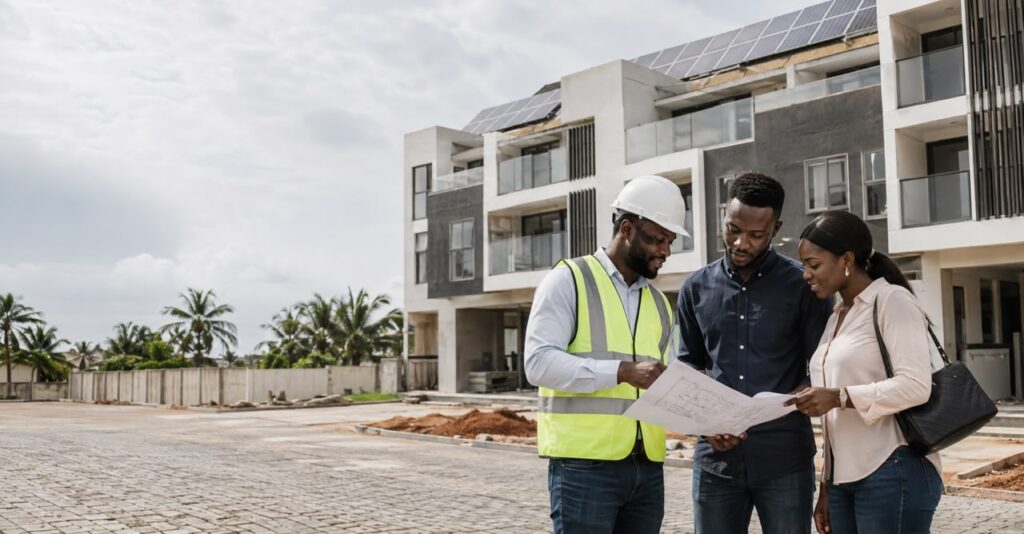
Construction Process in Nigeria: Step-by-Step Guide from Foundation to Finish Understanding the construction process in Nigeria is essential for anyone planning to build a home or commercial property. Without proper knowledge, it is remarkably easy to make costly mistakes, experience project delays, or fall victim to substandard work. This comprehensive guide clearly breaks down each stage of the building journey, helping you navigate the process with confidence and keep your investment secure. The 5 Essential Stages of Construction [ Site Prep & Foundation ] ➔ [ Structural Work ] ➔ [ Roofing Stage ] │ [ Finishing Stage ] ◄──────── [ First Fix ] ◄──────────────┘ 1. Site Preparation and Foundation Every successful, long-lasting project starts with proper groundwork. A building is only as strong as the earth beneath it and the foundation holding it up. Land Clearing and Leveling: Removing debris, vegetation, and topsoil to create a clean, workable canvas. Soil Testing: Analyzing the soil type (especially crucial in coastal regions like Lagos) to determine the appropriate foundation type (e.g., strip, raft, or piling). Excavation and Foundation Casting: Digging trenches and pouring concrete reinforced with steel to establish a solid structural base. 2. Structural Work (The Carcass Stage) Once the foundation has fully cured, the building’s skeletal structure begins to take shape. This is where structural integrity is solidified. Block Laying: Setting the walls using quality sandcrete blocks. Reinforced Columns and Beams: Casting concrete pillars and beams to distribute load-bearing weight safely. Lintel Construction: Creating reinforced concrete supports over doors and windows to prevent structural sagging. Pro-Tip: Precision and alignment during this stage are non-negotiable. Even a minor structural defect here can lead to dangerous wall cracks later. 3. Roofing Stage With the carcass complete, the roofing stage seals the building envelope, protecting your structure and future interior installations from the harsh Nigerian elements. Roofing Carpentry: Building a sturdy wooden or steel truss framework. Material Selection: Choosing high-quality, durable sheets (such as aluminum, stone-coated tiles, or step-tiles) that can withstand heavy tropical downpours and intense UV rays. Effective Drainage Systems: Installing proper gutters and downspouts to redirect rainwater away from the foundation. 4. First Fix Installations Before any plastering or cosmetic work can hide what is inside the walls, the building’s critical internal organs must be laid out. Electrical Conduit Piping & Wiring: Laying the conduits and pulling wires through walls and ceilings. Plumbing Systems: Installing waste and supply pipe networks for kitchens, bathrooms, and drainage. Mechanical Fittings: Preparing routes for air conditioning units and ventilation systems. 5. The Finishing Stage This is the transformative phase where raw concrete and blockwork become a beautiful, livable space. Quality finishing directly impacts both the aesthetic appeal and the market value of the property. Plastering and Screeding: Applying cement plaster to internal and external walls, followed by screeding to achieve perfectly smooth surfaces. Tiling and Flooring: Installing ceramic, vitrified, or marble tiles across rooms and walkways. Painting and Fixtures: Applying premium weather-resistant paints and installing internal doors, wardrobes, sanitary wares, and light fittings. Common Mistakes to Avoid To ensure your building project survives the test of time and stays within budget, protect yourself from these frequent pitfalls: Poor Site Supervision: Leaving the site entirely in workers’ hands without qualified, independent supervision leads to corner-cutting. Substandard Materials: Opting for cheap, low-grade cement, thin steel rods, or poorly cured blocks will compromise your home’s structural safety. Hiring Inexperienced Contractors: Relying on uncertified “quacks” to save money upfront almost always results in spending twice as much to fix their errors later. Work only with registered engineers and builders. Most Recent Posts All Posts African Culture Architectural Design Best Builders building with purpose Concrete works Nigeria Construction construction craftsmanship Construction Education construction Nigeria Eco-friendly construction Green building Nigeria Heritage Travel Hot House for Rent House for sale inclusive building design Insider Land For Sale Marketing Plan New Buildings News Petik Projects Project Management Property Property Investment quality construction company Nigeria Real Estate Real Estate Updates Structural Engineering Structural steel Nigeria Sustainable Building Sustainable building Nigeria Test Category Trusted builders Nigeria Construction Process in Nigeria: Step-by-Step Guide from Foundation to Finish Osun-Osogbo Festival 2026: A Complete Guide to Nigeria’s Living UNESCO Heritage Reliable Construction Company in Nigeria: What Showing Up Really Means Categories African Culture (1) Architectural Design (4) Best Builders (18) building with purpose (9) Concrete works Nigeria (10) Construction (17) construction craftsmanship (9) Construction Education (1) construction Nigeria (9) Eco-friendly construction (2) Green building Nigeria (1) Heritage Travel (1) Hot (4) inclusive building design (1) Land For Sale (4) New Buildings (4) News (1) Petik Projects (14) Project Management (1) Property (1) Property Investment (2) quality construction company Nigeria (2) Real Estate (7) Real Estate Updates (7) Structural Engineering (1) Structural steel Nigeria (3) Sustainable Building (1) Sustainable building Nigeria (1) Trusted builders Nigeria (3) Tags A House? Acquisition African Festivals Age Friendly Design Arugba Procession building contractor Building Failures Nigeria building stages buy Buy A House? Buy House? Buyers Civil Works construction company construction Nigeria construction process Damp Proofing Diaspora Real Estate Drainage Systems foundation casting Foundation First Green Construction Home home developments in Nigeria. Home Inspection house building guide Inclusive Building Investing Investing In A Real Estate Property Investment Property Lagos Multi Unit Development Nigeria Nigeria Construction Nigerian Real Estate Investment Osun State Tourism Osun-Osogbo 2026 Petik Petik Builds Petik Limited Planning Project Management Quality Control Real Estate real estate development Nigeria Real Estate Investing Real Estate Investment Real Estate Nigeria Real Estate Property Reinforced Concrete reliable builders Rent Should Should I Rent Should I Rent Or Buy A House? Site Mobilization Spiritual Tourism Structural Engineering Structural Integrity Susanne Wenger Sustainable Architecture Tips Top Real Estate Companies in Lekki Tourism in Nigeria UNESCO World Heritage Universal Design Waterproofing Wealth Building Yoruba Culture

Construction Process in Nigeria: Step-by-Step Guide from Foundation to Finish Read More »

Build Once, Earn Forever: The Smart Investor’s Guide to Quality Real Estate in Nigeria

Build Once, Earn Forever: The Smart Investor’s Guide to Quality Real Estate in Nigeria

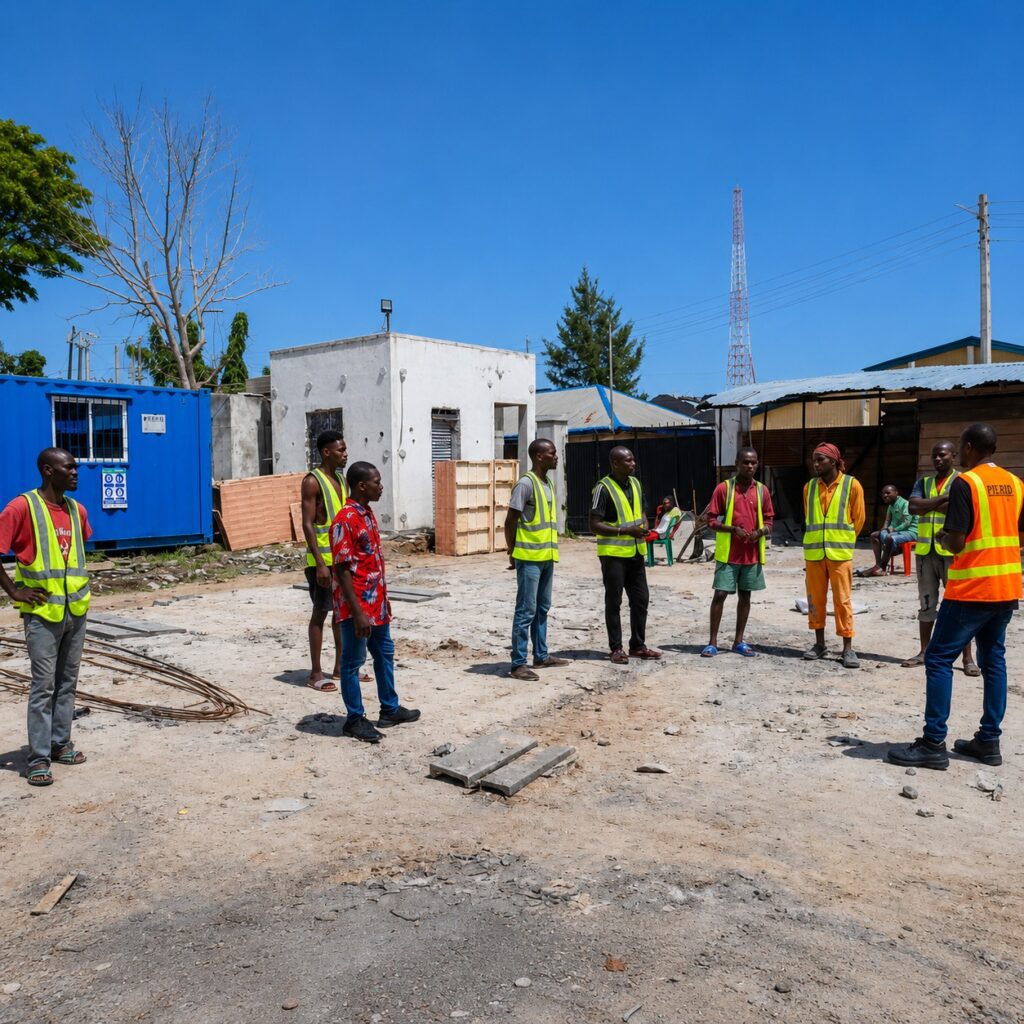
Build Once, Earn Forever: The Smart Investor’s Guide to Quality Real Estate in Nigeria In a fluctuating economy, smart investors prioritize stability, consistent cash flow, and long-term capital appreciation. High-yield real estate in Nigeria remains one of the most reliable wealth-building vehicles available, prompting savvy buyers to build custom properties tailored to market demands rather than purchasing existing, deteriorating structures. Whether you are planning a multi-unit residential development or your first rental property, the guiding principle remains the same: Build once, earn forever. A quality investment asset acts as a legacy, generating consistent rental income while standing strong for generations. [Strict Quality Control] ➔ [Durable Premium Structure] ➔ [High Rental Yield & Low Maintenance] ➔ [Generational Wealth] Why Quality Control is the Secret to Real Estate ROI The profitability of an investment property is heavily tied to its construction standards. A building constructed with subpar materials or rushed craftsmanship quickly eats away at profits through high maintenance costs, frequent vacancies, and rapid structural deterioration. When allocating capital to real estate in Nigeria, cutting corners during the foundation phase is the fastest way to compromise your return on investment (ROI). At Petik Limited, quality control isn’t just a checklist—it’s our culture. To protect your investment capital, every project passes through rigorous, non-negotiable inspection stages aligned with global structural standards: Material Verification: We check every batch of steel, concrete, and finishing material to ensure they meet strict performance standards. Structural Integrity Audits: Continuous reviews of concrete pouring, framework stability, and load-bearing components ensure absolute safety. Finishing Reviews: We double-check interior painting, tiling, and installations to provide a flawless look that attracts premium tenants. Site Safety Protocols: We enforce a strict zero-tolerance policy for substance abuse alongside mandatory safety briefings to keep our sites clean, safe, and on schedule. From Blueprint to Handover: Your Turnkey Experience Building a premium asset should never be a stressful ordeal. The ideal construction journey is transparent, predictable, and driven by a dedicated, skilled project management team. By working with certified engineers who understand the unique soil and environmental conditions of the local landscape, you protect your portfolio from the common pitfalls that plague unmanaged construction projects. From the first ground-breaking and site clearing to the final handover of your keys, Petik Limited’s team of engineers, artisans, and site managers handles the details. We combine meticulous craftsmanship with modern project tracking to deliver your project on time and within budget, making us a premier partner for building sustainable real estate in Nigeria. Stop waiting for the perfect market conditions. The best time to build was yesterday; the next best time is now. Let’s partner to transform your vision into an income-generating landmark. Most Recent Posts All Posts Architectural Design Best Builders building with purpose Concrete works Nigeria Construction construction craftsmanship construction Nigeria Eco-friendly construction Green building Nigeria Hot House for Rent House for sale inclusive building design Insider Land For Sale Marketing Plan New Buildings News Petik Projects Project Management Property Property Investment quality construction company Nigeria Real Estate Real Estate Updates Structural Engineering Structural steel Nigeria Sustainable Building Sustainable building Nigeria Test Category Trusted builders Nigeria Build Once, Earn Forever: The Smart Investor’s Guide to Quality Real Estate in Nigeria Architecture for All: Embracing Universal and Sustainable Design in Nigerian Homes Structural Engineering and Waterproofing Solutions in Nigeria Categories Architectural Design (2) Best Builders (16) building with purpose (8) Concrete works Nigeria (9) Construction (16) construction craftsmanship (9) construction Nigeria (8) Eco-friendly construction (1) Green building Nigeria (1) Hot (4) inclusive building design (1) Land For Sale (3) New Buildings (3) News (1) Petik Projects (13) Project Management (1) Property Investment (1) quality construction company Nigeria (1) Real Estate (7) Real Estate Updates (7) Structural Engineering (1) Structural steel Nigeria (3) Sustainable Building (1) Sustainable building Nigeria (1) Trusted builders Nigeria (3) Tags A House? Acquisition Age Friendly Design Building Failures Nigeria buy Buy A House? Buy House? Buyers Civil Works Damp Proofing Drainage Systems Foundation First Green Construction Home home developments in Nigeria. Home Inspection Inclusive Building Investing Investing In A Real Estate Property Investment Property Lagos Multi Unit Development Nigeria Nigeria Construction Nigerian Real Estate Investment Petik Builds Petik Limited Planning Quality Control Real Estate Real Estate Investing Real Estate Investment Real Estate Nigeria Real Estate Property Reinforced Concrete Rent Should Should I Rent Should I Rent Or Buy A House? Structural Engineering Sustainable Architecture Tips Top Real Estate Companies in Lekki Universal Design Waterproofing Wealth Building

Build Once, Earn Forever: The Smart Investor’s Guide to Quality Real Estate in Nigeria Read More »

Scroll to Top