Why the Best Construction Begins Long Before Bricklaying

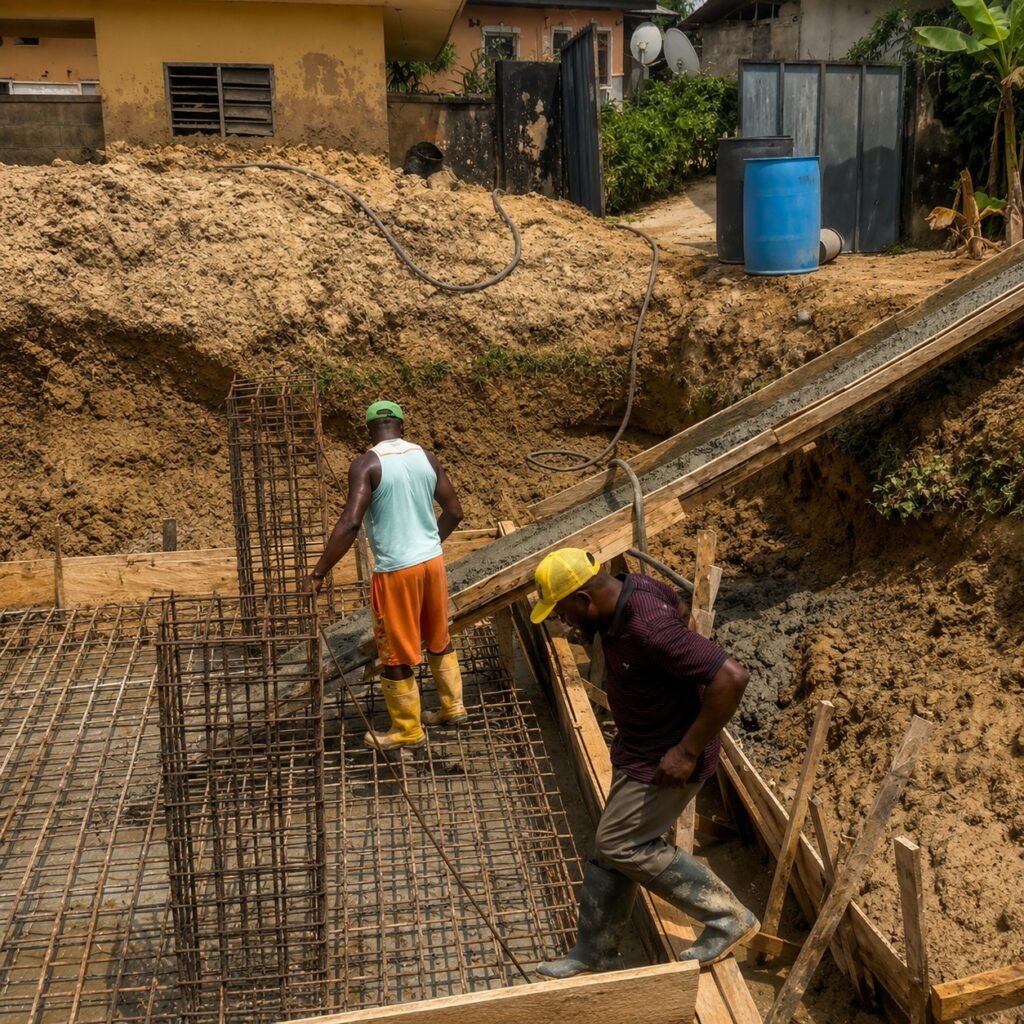
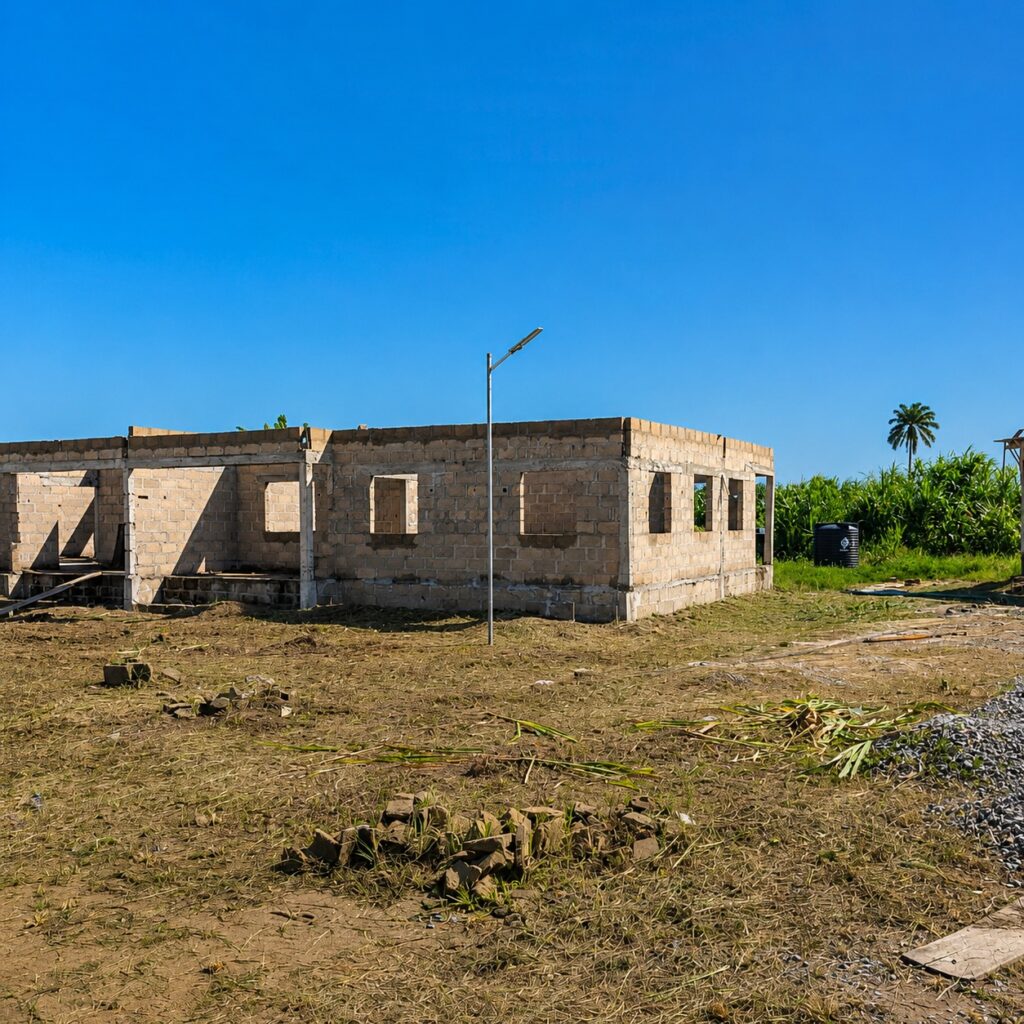
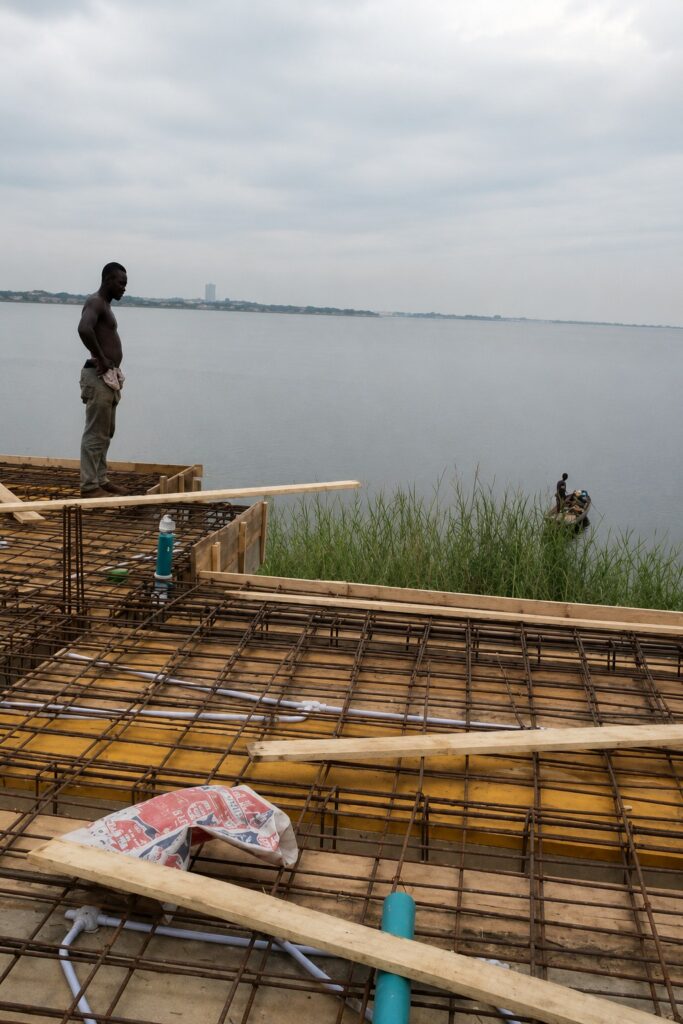
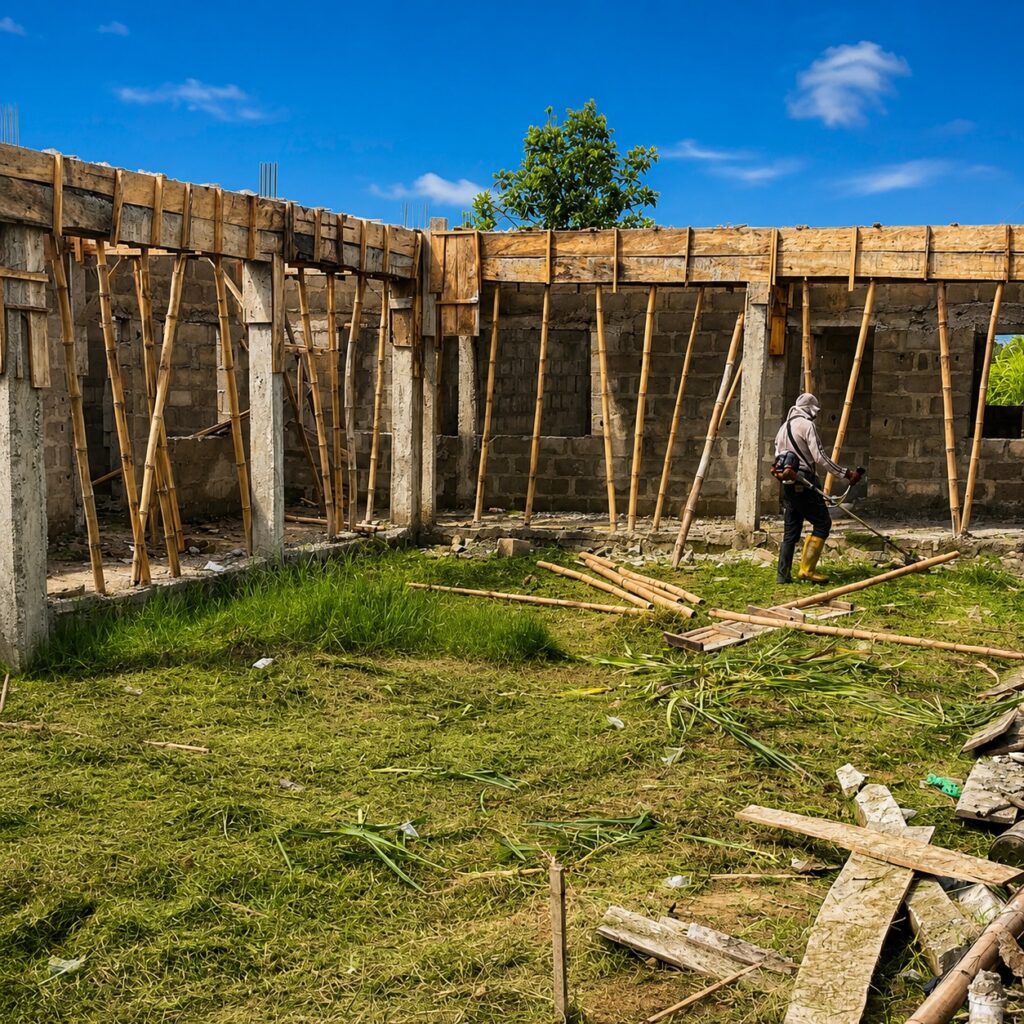
Introduction When you imagine your dream home or a state-of-the-art commercial property, you likely picture the visible details: the soaring facade, the polished tiling, or the pristine interior painting. However, at Petik Limited, we know that what you see is only part of the story. Great construction begins underground. Long before the walls go up or the roof is framed, invisible layers of engineering determine whether a building will stand strong for decades or succumb to structural failure and seasonal flooding. The Crucial Role of Civil Works and Subsurface Engineering In Nigeria’s diverse climate, unexpected downpours and shifting terrain pose massive challenges to structural longevity. Subsurface preparation is the ultimate defense against these natural elements. Precision Land Leveling & Grading: Before a single brick is laid, site engineers must take precise measurements to level the terrain and map out dimensions. Proper grading ensures that rainwater flows away from your building’s foundation rather than pooling around it. Advanced Drainage Systems & Culverts: Properly designed drainage channels and culverts are non-negotiable. They safely redirect water away from the property, preventing the soil saturation that leads to sinking foundations and damp walls. Erosion Control and Site Management: Responsible site management during early-stage construction involves proper grading to actively prevent soil erosion. Working harmoniously with the local topography ensures the earth remains stable throughout the life of the structure. The True Cost of Skipping Steps It can be tempting for developers to rush past the groundwork to save costs, but skipping or rushing these early engineering stages leads to severe, long-term consequences: Structural Sinking: Poorly compacted earth or unmapped terrain can cause uneven settling, leading to deep, unfixable cracks in walls. Chronic Flooding: Without engineered drainage paths, low-lying compounds quickly become retention ponds during rainy seasons. Foundation Dampness (Capillary Action): When subsurface water isn’t properly drained, moisture seeps up through concrete foundations, damaging floor finishes and creating mold issues. The Petik Promise: Building from the Ground Up, the Right Way At Petik Limited, our standards are non-negotiable. We believe that empty land becomes a true landmark only through meticulous, zero-compromise engineering. Every site undergoes material verification, precise structural checks, and engineering reviews before moving to the next stage. We don’t just build for today; we engineer foundations that safely carry decades of loads, weather, and life.

Why the Best Construction Begins Long Before Bricklaying Read More »

Sustainable Construction in Nigeria: Building with Nature, Not Against It

Introduction Sustainability is no longer just a trend—it is a necessity. As Nigeria continues to develop rapidly, the construction industry must strike a balance between growth and environmental responsibility. Sustainable construction focuses on creating buildings that meet present needs without compromising the ability of future generations to thrive. By adopting eco-friendly practices, developers can reduce environmental impact while delivering long-lasting value. Eco-Friendly Building Practices Sustainable construction incorporates methods that minimize environmental harm while maximizing efficiency. Key practices include: Using Locally Sourced MaterialsLocally available materials reduce transportation costs, lower carbon emissions, and support local industries. Reducing Waste and EmissionsEfficient construction planning helps minimize material waste, while modern techniques reduce pollution and environmental degradation. Preserving Natural VegetationMaintaining existing trees and green spaces enhances environmental quality and improves the overall aesthetics of developments. Energy Efficiency and Smart Design Modern sustainable buildings are designed to use energy efficiently. Features such as natural lighting, cross-ventilation, and proper insulation reduce dependence on artificial energy sources. Smart building designs not only lower electricity consumption but also reduce operational costs for occupants. In Nigeria, where energy supply can be inconsistent, energy-efficient buildings offer a practical, cost-saving solution. Protecting Biodiversity Responsible construction goes beyond buildings—it considers the surrounding ecosystem. Sustainable projects aim to protect biodiversity by minimizing disruption to natural habitats and preserving ecological balance. Developers who integrate environmental considerations into their projects contribute to healthier communities and long-term environmental sustainability. Conclusion Building with nature rather than against it is essential for the future of construction in Nigeria. Sustainable construction practices ensure durability, efficiency, and environmental protection. As the demand for eco-friendly developments grows, adopting sustainable methods is no longer optional—it is the path forward to a resilient, future-ready built environment.

Sustainable Construction in Nigeria: Building with Nature, Not Against It Read More »

Building for Families: How Smart Infrastructure Supports Better Living in Nigeria

Introduction Infrastructure is more than roads, bridges, and buildings. It shapes how families live, grow, work, and connect with their communities. In Nigeria, smart and family-focused infrastructure plays a major role in improving living standards and creating safer, healthier environments. Designing for Comfort and Safety Modern construction should consider families’ daily needs. Homes, schools, healthcare centers, and public spaces must be designed to support comfort, safety, and convenience. This includes proper ventilation, natural lighting, secure surroundings for children, good drainage systems, and functional layouts that make everyday living easier. Bridging Rural and Urban Development Good infrastructure should not be limited to major cities alone. Rural and urban communities both need access to reliable roads, schools, hospitals, clean water, and power supply. When infrastructure development is balanced, it connects people to opportunities, improves mobility, supports businesses, and reduces the gap between rural and urban living. Supporting Stronger Communities Well-planned infrastructure helps communities thrive. It improves access to education, healthcare, markets, and social services. Families benefit from safer neighborhoods, better public facilities, and more growth opportunities. Conclusion When infrastructure is designed with people in mind, it transforms lives. Building for families means creating safe, comfortable, and sustainable spaces where communities can grow. In Nigeria, smart infrastructure is not just about development; it is about building a better future.

Building for Families: How Smart Infrastructure Supports Better Living in Nigeria Read More »

Why Quality Materials and Professional Standards Define Successful Construction Projects

Introduction Every successful construction project begins with a strong foundation built on quality materials, professional expertise, and strict construction standards. In Nigeria’s rapidly growing construction industry, developers, property owners, and investors are becoming increasingly aware that cutting corners during construction can lead to serious structural and financial consequences. A building is more than just walls and roofing—it is a long-term investment that must provide safety, durability, comfort, and value. This is why quality and professionalism are no longer optional in modern construction; they are essential. The Importance of Quality Materials The quality of construction materials directly affects the strength, durability, and lifespan of any structure. Using substandard materials may reduce initial costs, but it often results in long-term problems such as cracks, leakages, corrosion, structural weakness, and expensive maintenance. High-quality materials help ensure that buildings can withstand environmental conditions, heavy usage, and the effects of time. Materials such as durable cement, reinforced steel, quality electrical fittings, reliable plumbing systems, and properly tested blocks contribute significantly to structural stability and safety. Quality materials also improve: Structural strength and durability Safety for occupants Resistance to weather and environmental damage Reduced maintenance and repair costs Long-term property value Investing in quality materials from the beginning helps prevent future construction failures and protects the integrity of the entire project. Strict Quality Control Processes Professional construction projects follow carefully planned quality control procedures at every stage of development. These processes ensure that materials, artistry, and site operations meet industry standards and project specifications. Key quality control measures include: Material Inspection and Verification Before materials are used on-site, they are properly inspected and verified to ensure they meet required quality standards. This helps eliminate the risk of using weak or defective materials. Compliance With Industry Standards Professional construction companies adhere to approved engineering practices, building regulations, and safety guidelines to maintain structural integrity and project reliability. Continuous Site Monitoring Regular supervision and inspections during construction help ensure that work is carried out correctly and in accordance with approved plans. This reduces errors, delays, and costly corrections. By maintaining strict quality control, construction teams deliver projects that meet both safety and performance expectations. Professional Standards and Safety Professional construction practices go beyond building structures—they focus on creating safe, functional, and sustainable environments. From planning and design to execution and finishing, every stage requires skilled professionals who understand industry best practices. Adhering to professional standards ensures: Proper structural design and execution Safe working conditions on-site Compliance with safety regulations Efficient project management Accurate construction techniques Long-lasting building performance Safety remains one of the most important aspects of construction. Poor artistry or negligence can lead to dangerous structural failures that put lives and property at risk. Professionalism helps minimize these risks while ensuring quality delivery. Long-Term Value of Quality Construction Many property owners focus solely on short-term construction costs, failing to consider long-term value. However, buildings constructed with quality materials and professional standards often require less maintenance, experience fewer structural issues, and maintain higher market value over time. Quality construction also enhances: Investor confidence Occupant comfort and safety Building lifespan Energy efficiency Overall property reputation Choosing quality from the start ultimately saves money and increases the project’s long-term success. Conclusion Quality construction is not simply about appearance—it is about durability, safety, reliability, and long-term performance. Every successful construction project depends on verified materials, strict quality control, and professional construction standards. By prioritizing quality at every stage, construction companies can deliver buildings that stand the test of time and provide lasting value to clients, investors, and communities.  

Why Quality Materials and Professional Standards Define Successful Construction Projects Read More »

Honouring the Hands That Build Nigeria: The Role of Local Labor in Construction Growth

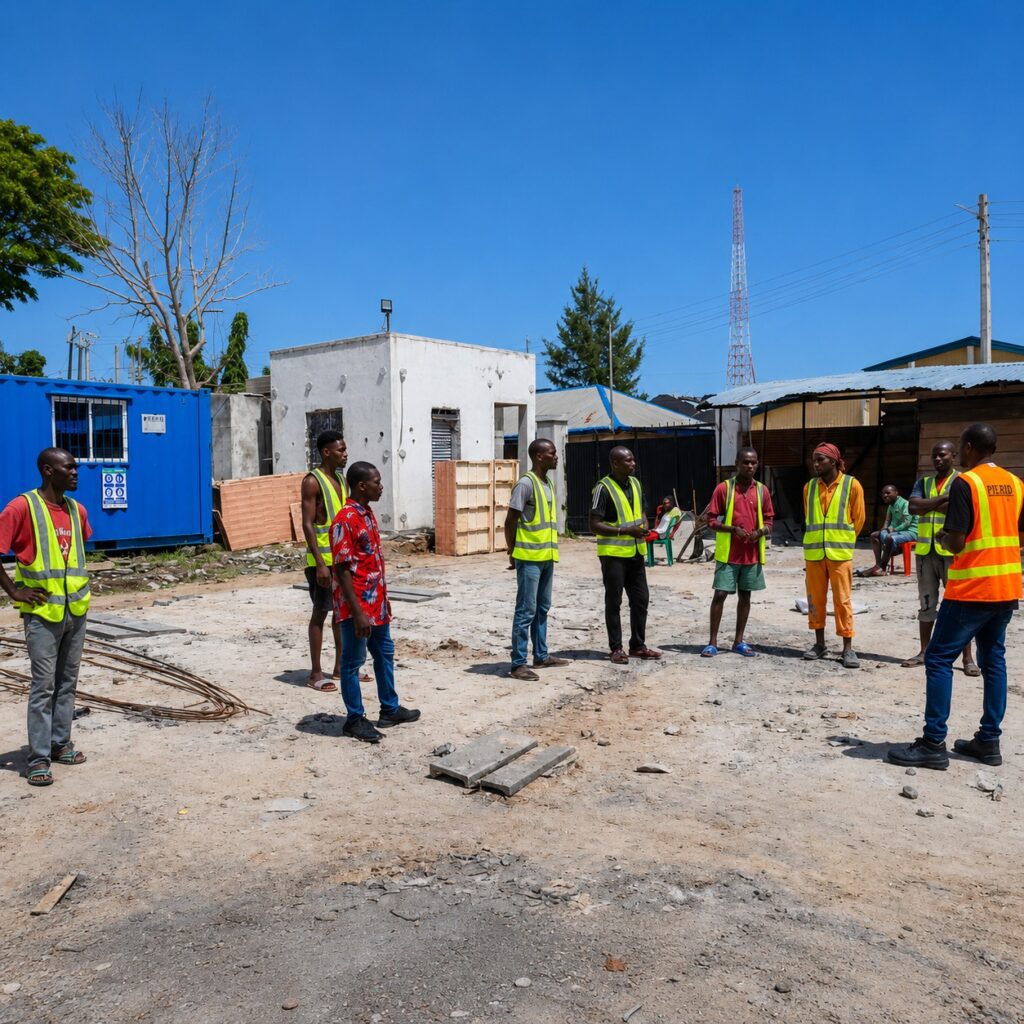
INTRODUCTION Behind every road, bridge, and building in Nigeria are skilled and dedicated individuals whose efforts shape the nation’s future. Construction is not just about concrete and steel, it is about people. From the hands that mix concrete to the minds that plan and supervise projects, every contributor plays a role in transforming ideas into reality. Local labor remains at the heart of this transformation, driving economic growth, empowering communities, and supporting sustainable development across the country. THE POWER OF LOCAL LABOR IN CONSTRUCTION Employing local workers ensures that development projects directly benefit the communities in which they are carried out. It creates employment opportunities, reduces unemployment, and stimulates local economies. When workers earn within their communities, they spend locally, which further strengthens small businesses and promotes economic circulation. Beyond economic benefits, engaging local labor also improves project efficiency. Local workers understand the environment, terrain, and cultural dynamics of their communities, making them valuable assets in project execution. By investing in local talent, construction companies are not only delivering projects but also contributing to long-term national growth and stability. SKILLS DEVELOPMENT AND CAPACITY BUILDING The construction industry requires a wide range of technical skills and expertise. Through structured training programs, workers can acquire competencies in masonry, carpentry, welding, plumbing, electrical installations, and equipment handling. These skills elevate workers from unskilled laborers to certified professionals capable of handling complex projects. Capacity building does not end on-site. Workers who receive proper training gain long-term career opportunities, allowing them to work on future projects, start their own businesses, or train others. This continuous transfer of knowledge strengthens the construction industry and contributes to national workforce development. ECONOMIC AND SOCIAL IMPACT The impact of local labor extends far beyond construction sites. With stable income, workers are able to support their families, invest in education, and improve their overall standard of living. This leads to stronger households and more resilient communities. Infrastructure projects also act as catalysts for development. Roads improve transportation and trade, buildings create spaces for businesses and services, and public facilities enhance access to healthcare and education. As a result, communities experience both economic and social transformation, driven by the involvement of their own people. SUSTAINABILITY AND COMMUNITY DEVELOPMENT Incorporating local labor into construction projects supports sustainability in multiple ways. It reduces the need for external labor, lowers project costs, and promotes community ownership. When people are directly involved in building their environment, they are more likely to maintain and protect it. Furthermore, empowering local workers fosters a sense of pride and responsibility. Communities become active participants in development rather than passive observers, ensuring that progress is inclusive and long-lasting. CONCLUSION Construction is more than the creation of physical structures—it is a powerful driver of national progress. By prioritizing local labor, we are not just building roads, bridges, and homes; we are building skills, creating opportunities, and strengthening communities. Investing in people remains one of the most effective ways to achieve sustainable development and secure a better future for Nigeria.

Honouring the Hands That Build Nigeria: The Role of Local Labor in Construction Growth Read More »

Sustainable Construction in Nigeria: Building for the Future

Sustainable Construction in Nigeria

Introduction Sustainability has become an essential part of modern construction, especially in Nigeria where rapid urban growth continues to increase the demand for durable, efficient, and environmentally responsible buildings. Sustainable construction focuses on creating structures that are strong, safe, cost-effective, and less harmful to the environment. Eco-Friendly Construction Practices Eco-friendly construction involves using materials and methods that reduce waste, conserve energy, and protect natural resources. This includes responsible sourcing of building materials, proper waste management, energy-efficient designs, and the use of durable materials that reduce the need for frequent repairs. Energy Efficiency in Buildings Energy efficiency is a major part of sustainable building in Nigeria. Good building orientation, natural lighting, proper ventilation, quality roofing, and energy-saving fittings can help reduce electricity consumption and improve comfort for occupants. Health and Safety Sustainable construction also supports healthier living and working spaces. Proper drainage helps prevent flooding and water damage, while good ventilation improves indoor air quality. Safe construction practices, strong structural planning, and quality installations also reduce risks during and after construction. Quality Control and Durability Strict inspection and quality control ensure that every stage of construction meets required standards. From foundation work to finishing, proper supervision helps prevent defects, improves durability, and protects the client’s investment. Conclusion Sustainable construction is not just about protecting the environment; it is about building smarter, safer, and stronger structures for the future. By combining eco-friendly construction practices, quality control, and efficient design, we can create buildings that serve people today while preserving resources for tomorrow.

Sustainable Construction in Nigeria Read More »

Construction as Art: Blending Design, Innovation, and Functionality

Introduction Construction is far more than assembling materials, it is a creative and technical process that merges engineering precision with artistic vision. In today’s rapidly evolving world, especially within the context of architectural design Nigeria, construction has become a powerful medium for expressing culture, innovation, and purpose. Every structure tells a story, combining aesthetics, durability, and functionality to meet both human and environmental needs. Architecture as Expression Architecture serves as a visual language that communicates identity, values, and creativity. Modern buildings in Nigeria increasingly reflect a blend of cultural heritage and contemporary trends, resulting in unique and inspiring designs. From sleek urban high-rises to thoughtfully designed residential homes, modern building design Nigeria emphasizes: Aesthetic appeal that enhances the surrounding environment Functional layouts that improve usability and comfort Sustainable materials that promote eco-friendly living These elements transform ordinary buildings into works of art that stand the test of time. The Role of Construction Innovation Innovation is at the heart of modern construction. With advancements in technology, materials, and building techniques, the industry continues to evolve, delivering smarter and more efficient solutions. Construction innovation in Nigeria now includes: Smart building systems for energy efficiency and automation Use of durable and sustainable materials Advanced construction methods that reduce time and cost Integration of green building practices These innovations not only improve the quality of structures but also ensure they meet global standards while adapting to local needs. Client-Centered Design At the core of every successful project is a deep understanding of the client’s vision. Client-centered design ensures that every building is tailored to specific preferences, lifestyle needs, and functional requirements. This approach involves: Active collaboration and communication with clients Custom design solutions that reflect individual tastes Flexibility to adapt designs during project development By prioritizing the client, construction becomes a personalized experience, resulting in spaces that are both meaningful and practical. From Concept to Reality The journey from idea to finished structure is a carefully coordinated process. Each stage plays a crucial role in ensuring quality and excellence: Planning: Understanding project goals, site conditions, and feasibility Design: Creating architectural drawings and 3D visualizations Execution: Bringing designs to life through skilled construction Finishing: Adding final touches that enhance aesthetics and usability This structured approach ensures that every project is delivered efficiently, meeting both design expectations and structural standards. Conclusion Construction is truly an art form, one that blends creativity, innovation, and technical expertise to shape the environments we live and work in. As architectural design in Nigeria continues to evolve, the fusion of modern techniques and artistic vision will drive the creation of more sustainable, functional, and visually striking buildings. Ultimately, great construction goes beyond structures, it turns ideas into lasting realities that inspire and endure.

Construction as Art: Blending Design, Innovation, and Functionality Read More »

Craftsmanship & Expertise in Construction: What Sets Quality Builders Apart

Craftsmanship & Expertise in Construction: What Sets Quality Builders Apart

Introduction Construction is a multifaceted industry that seamlessly combines engineering expertise with creative innovation, transforming concepts into durable, functional, and visually compelling structures that meet modern standards, enhance environments, and stand the test of time. Architecture as Expression Architecture goes beyond the act of building; it is a powerful form of expression where creativity meets purpose. Every structure tells a story through its design, blending aesthetics, functionality, and innovation to create spaces that inspire, serve communities, and elevate the quality of life. Client-Centered Design At the core of our approach is a deep commitment to our clients. We take the time to understand their needs, preferences, and long-term goals, ensuring that every detail is thoughtfully considered. By fostering collaboration and clear communication, we deliver tailored solutions that reflect each client’s unique vision while maintaining the highest standards of quality and efficiency. From Concept to Reality Our process is comprehensive and carefully structured to ensure excellence at every stage. From initial concept development and strategic planning to detailed architectural design, precise execution, and high-quality finishing, we manage each phase with professionalism, technical expertise, and a strong focus on delivering outstanding results within scope and timeline. Conclusion We are dedicated to transforming ideas into lasting realities by combining innovation, craftsmanship, and attention to detail. Our goal is to deliver structures that are not only strong and functional but also timeless, impactful, and aligned with our clients’ aspirations, leaving a lasting legacy for generations to come.

Craftsmanship & Expertise in Construction: What Sets Quality Builders Apart Read More »

New Beginnings in Construction: Building with Purpose, Faith, and Inclusivity

Introduction April marks a season of renewal, reflection, and fresh starts. In construction, it is more than just a new month, it is an opportunity to recommit to excellence, safety, and purpose-driven building. Building Without Compromise Quality is not optional in construction, it is the foundation of everything. Every project is executed with strict standards, high-quality materials, and skilled professionals. Inclusive Construction 1. Building for Everyone: Modern construction must consider all users. We integrate accessibility features and thoughtful designs to ensure inclusivity. 2.Faith, Values, and Strong Foundations: Great construction is built on integrity, trust, and responsibility. 3. Healthy Building Design: We prioritize ventilation, natural lighting, and safe materials to promote well-being. Conclusion We are not just building structures, we are building trust and communities.

New Beginnings in Construction: Building with Purpose, Faith, and Inclusivity Read More »

Sustainable & Climate-Resilient Construction in Nigeria

Introduction Nigeria’s diverse climate, ranging from heavy rainfall in coastal regions to intense heat in the northern zones, demands building solutions that are both sustainable and climate-resilient. Traditional construction approaches often fail to withstand these environmental pressures, leading to rapid deterioration, increased maintenance costs, and reduced building lifespan. Sustainable construction in Nigeria is no longer optional; it is a necessity. By integrating climate-responsive design and green building practices, developers and property owners can create structures that are durable, energy-efficient, and environmentally responsible. What is Sustainable Construction? Sustainable construction refers to building practices that minimize environmental impact while maximizing efficiency, durability, and occupant comfort. It involves: Efficient use of resources (materials, energy, and water) Reduction of construction waste Use of environmentally friendly materials Designing for long-term performance In Nigeria, sustainable construction is particularly important due to rapid urbanization, rising energy costs, and increasing climate challenges. Climate-Responsive Design in Nigeria Understanding Local Climate Conditions Designing buildings that respond to Nigeria’s climate is key to improving resilience. Factors such as rainfall intensity, humidity levels, and temperature variations must be considered during planning and construction. Key Climate-Responsive Strategies 1. Proper Drainage Systems Heavy rainfall and flooding are common in many parts of Nigeria, especially in cities like Lagos. Effective drainage systems help to: Prevent waterlogging and structural damage Protect foundations from erosion Extend the lifespan of buildings 2. Natural Ventilation Good airflow reduces dependence on mechanical cooling systems. Cross-ventilation design: Enhances indoor comfort Lowers electricity consumption Improves air quality 3. Heat-Resistant Materials Using materials that can withstand high temperatures helps maintain indoor comfort and reduces energy use. Examples include: Insulated roofing sheets Reflective paints Stabilized earth blocks Green Building Practices in Nigeria 1. Responsible Material Sourcing Sourcing materials locally reduces transportation emissions and supports local industries. Sustainable materials include: Bamboo Laterite Recycled steel 2. Energy-Efficient Systems Energy efficiency is a major component of green construction. Solutions include: Solar power systems LED lighting Energy-efficient appliances These not only reduce environmental impact but also lower long-term operating costs. 3. Water Conservation Systems Water scarcity is a growing concern. Sustainable buildings incorporate: Rainwater harvesting systems Water-efficient fixtures Greywater recycling 4. Construction Waste Management Proper waste handling during construction minimizes environmental harm. This involves: Recycling construction materials Reducing excess material usage Proper disposal of hazardous waste Benefits of Sustainable & Climate-Resilient Buildings 1. Increased Durability Buildings designed with climate resilience in mind are better equipped to withstand harsh weather conditions, reducing repair and maintenance costs. 2. Energy Efficiency Reduced reliance on artificial cooling and lighting leads to lower energy bills and improved sustainability. 3. Improved Indoor Comfort Natural ventilation, better insulation, and thoughtful design create healthier and more comfortable living and working environments. 4. Higher Property Value Sustainable buildings are increasingly attractive to buyers and investors due to their long-term cost savings and environmental benefits. Challenges of Sustainable Construction in Nigeria While the benefits are clear, some challenges still exist: Limited awareness of green building practices Higher initial construction costs Lack of widespread policy enforcement Limited access to sustainable materials However, as awareness grows and technology advances, these barriers are gradually being overcome. Future of Sustainable Construction in Nigeria The future of construction in Nigeria lies in sustainability. With increasing government interest, private sector involvement, and global environmental concerns, green building practices are expected to become the standard rather than the exception. Developers who adopt sustainable construction methods today position themselves ahead of the curve, benefiting from cost savings, regulatory compliance, and market demand. Conclusion Sustainable and climate-resilient construction is essential for Nigeria’s future. By incorporating climate-responsive design and green building practices, developers can create buildings that are durable, energy-efficient, and environmentally responsible. Beyond reducing environmental impact, these practices deliver long-term value, improved performance, and enhanced living conditions. As Nigeria continues to grow, embracing sustainability in construction will be key to building a resilient and prosperous future.

Sustainable & Climate-Resilient Construction in Nigeria Read More »

Scroll to Top