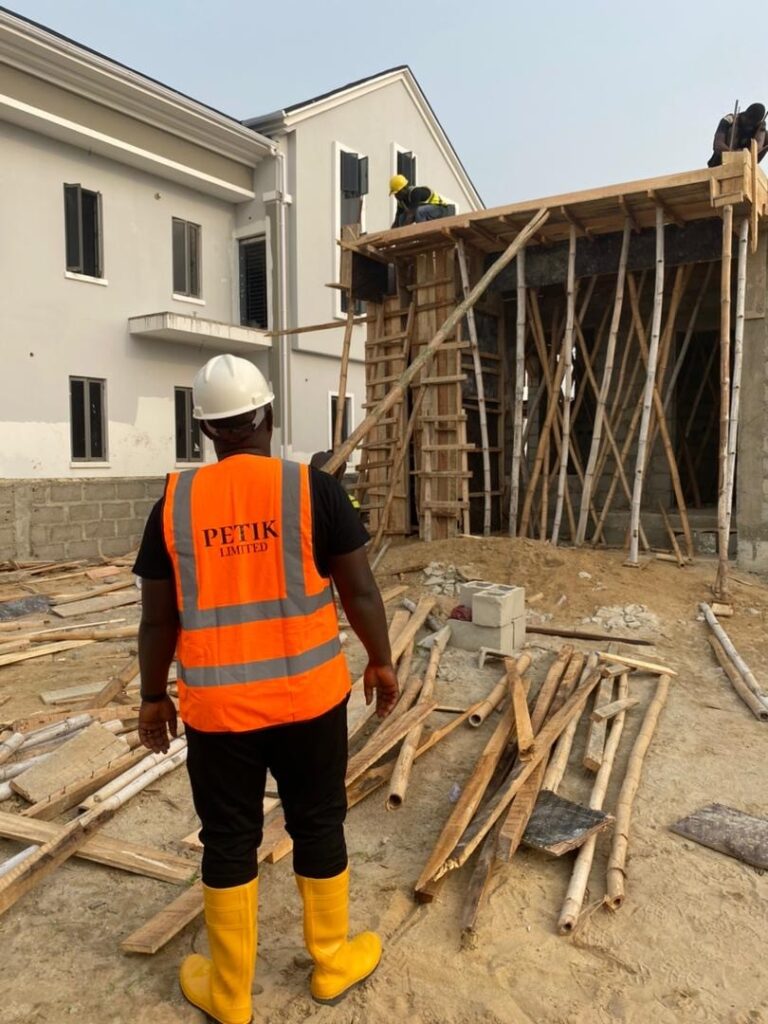
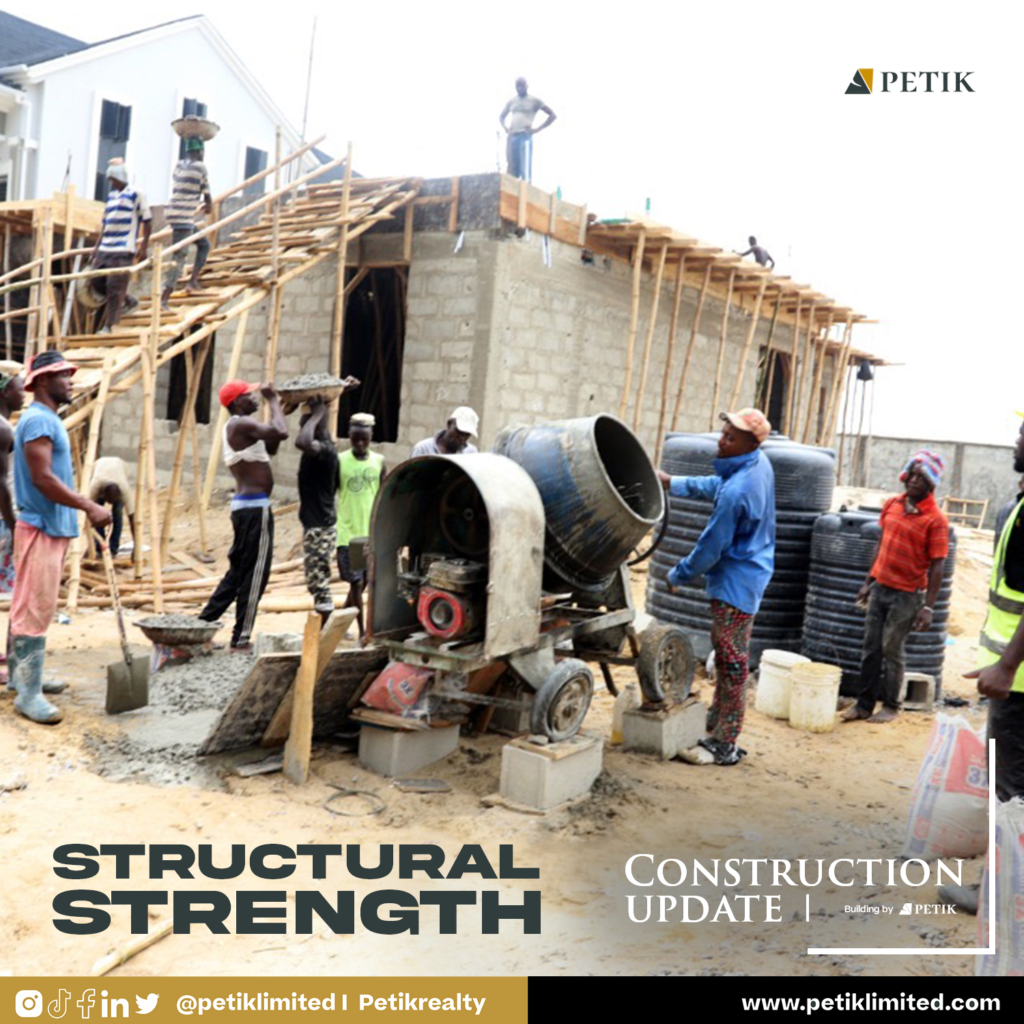
If You Care About Durability, This Construction Stage Should Worry You
This is the stage that permanently defines the strength, stability, and long-term performance of a building. Once concrete sets, there is no undo button. Mistakes made here are locked into the structure for decades. If durability matters to you as a homeowner or investor, this is the stage you should pay close attention to.
1. Why Concrete Work Is a Make-or-Break Stage
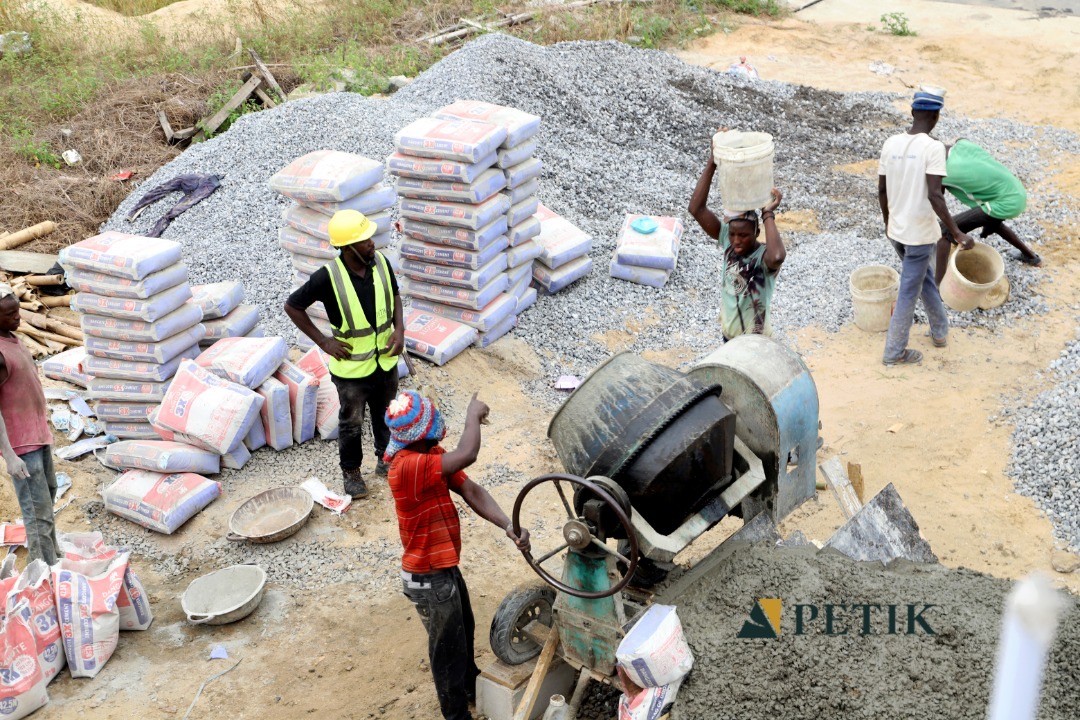
Concrete is more than just a mix of cement, sand, and aggregates. It is the backbone of slabs, beams, columns, and foundations. At this stage, every technical decision matters:
The quality of materials used
The accuracy of the mix ratio
The amount of water added
Proper reinforcement placement
The method of pouring and compaction
The curing process
Concrete captures every one of these decisions permanently.
- When excess water is added to make pouring easier, strength is reduced.
- When reinforcement bars are displaced during pouring, structural capacity is compromised.
- When concrete is poured too quickly or unevenly, segregation can occur, weakening the slab internally.
The most concerning part? Many of these defects are invisible at first.
They stay hidden beneath screeding, tiles, ceilings, and paintwork. Years later, they begin to show up as:
Cracks in walls and ceilings
Floor deflection
Structural fatigue
Moisture intrusion
Costly structural repairs
By the time they appear, corrections are complex and expensive — sometimes impossible without major reconstruction.
2. What Proper Concrete Handling Should Look Like
High-quality concrete work requires discipline and technical control.
It involves:
Accurate batching and controlled water ratios
Proper vibration to eliminate air pockets
Even distribution to prevent weak spots
Careful monitoring of reinforcement alignment
Strict curing procedures to ensure strength development
Concrete gains strength over time, but only if it is protected during curing. Poor curing leads to shrinkage cracks and reduced load-bearing capacity.
Speed without control is the enemy of durability.
3. How Concrete Is Handled at Cowrie Creek Estate
At Cowrie Creek Estate, developed by Petik Limited, concrete works are treated as a precision-critical operation.
Before any pouring begins:
Reinforcement grids are aligned and securely tied to maintain design spacing.
Structural steel placement is inspected to ensure compliance with engineering drawings.
Temporary walkways are installed to prevent workers from stepping directly on reinforcement bars and shifting them out of position.
During pouring:
Concrete is distributed evenly across slabs and structural elements.
Levelling is done carefully to prevent segregation.
Compaction is controlled to eliminate voids without disturbing reinforcement placement.
After pouring:
Adequate curing time is strictly observed.
Moisture retention is maintained to allow proper hydration.
Structural elements are not prematurely loaded.
The focus is not just on completing the pour, but on preserving structural integrity.
4. Strength Over Speed
In many projects, construction timelines drive decisions. Faster pours, quicker finishing, and earlier handover.
But concrete does not respond well to impatience.
At Petik Limited, the priority is long-term structural reliability over short-term speed. Concrete is allowed to cure properly, reducing shrinkage cracking and improving load-bearing performance.
This deliberate approach enhances:
Structural stability
Long-term durability
Resistance to environmental stress
Overall property value
5. Why This Matters to You
If you are buying a home or investing in property, finishes can be upgraded. Fixtures can be replaced. Interiors can be redesigned.
But structural concrete cannot be redone without major reconstruction.
This stage determines:
How well the building handles the load
How it resists cracking over time
How does it withstand environmental exposure
How much maintenance will it require in the future
Durability is not a visible feature, but it is the most valuable one.
And it is built into the structure long before the paint goes on.
At the end of the day, lasting value is not created by aesthetics.
It is created in the concrete.