Introduction
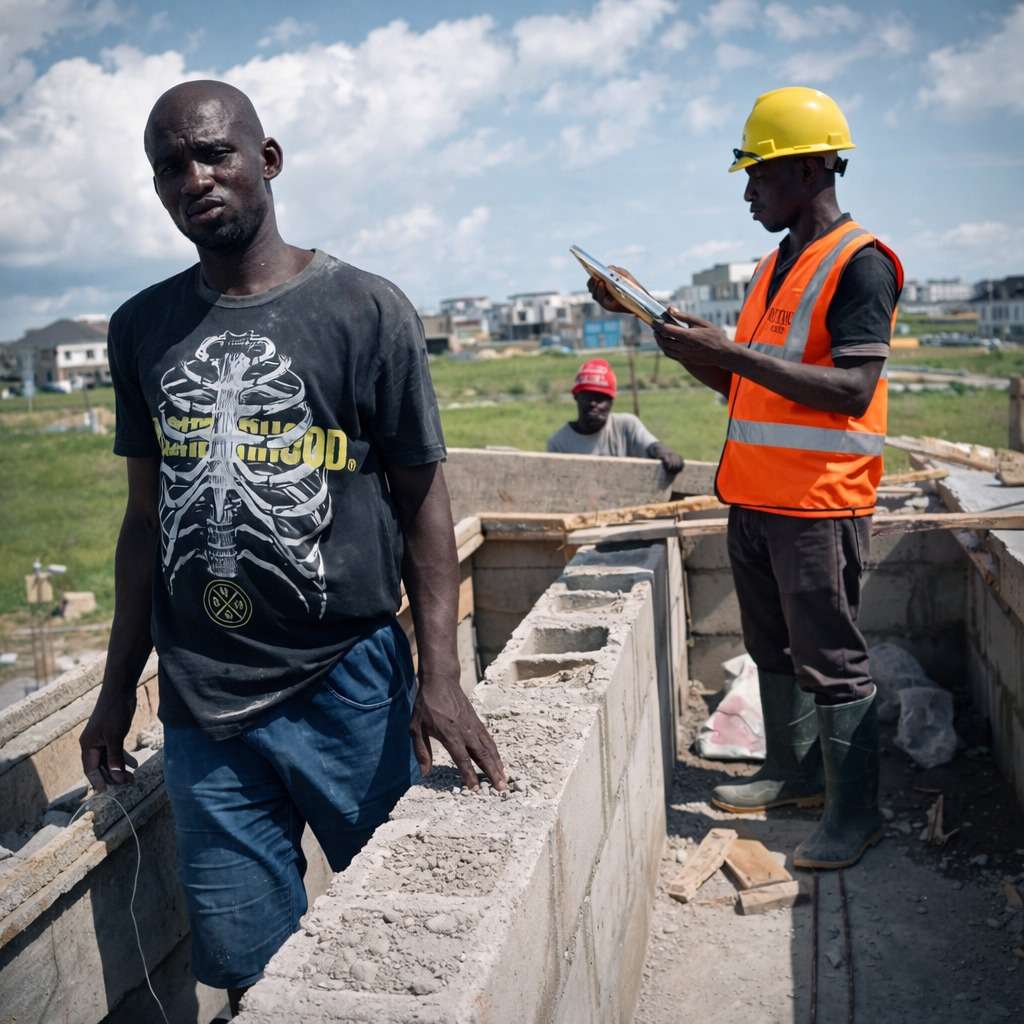
Nigeria’s diverse climate, ranging from heavy rainfall in coastal regions to intense heat in the northern zones, demands building solutions that are both sustainable and climate-resilient. Traditional construction approaches often fail to withstand these environmental pressures, leading to rapid deterioration, increased maintenance costs, and reduced building lifespan.
Sustainable construction in Nigeria is no longer optional; it is a necessity. By integrating climate-responsive design and green building practices, developers and property owners can create structures that are durable, energy-efficient, and environmentally responsible.
What is Sustainable Construction?
Sustainable construction refers to building practices that minimize environmental impact while maximizing efficiency, durability, and occupant comfort. It involves:
- Efficient use of resources (materials, energy, and water)
- Reduction of construction waste
- Use of environmentally friendly materials
- Designing for long-term performance
In Nigeria, sustainable construction is particularly important due to rapid urbanization, rising energy costs, and increasing climate challenges.
Climate-Responsive Design in Nigeria
Understanding Local Climate Conditions
Designing buildings that respond to Nigeria’s climate is key to improving resilience. Factors such as rainfall intensity, humidity levels, and temperature variations must be considered during planning and construction.
Key Climate-Responsive Strategies
1. Proper Drainage Systems
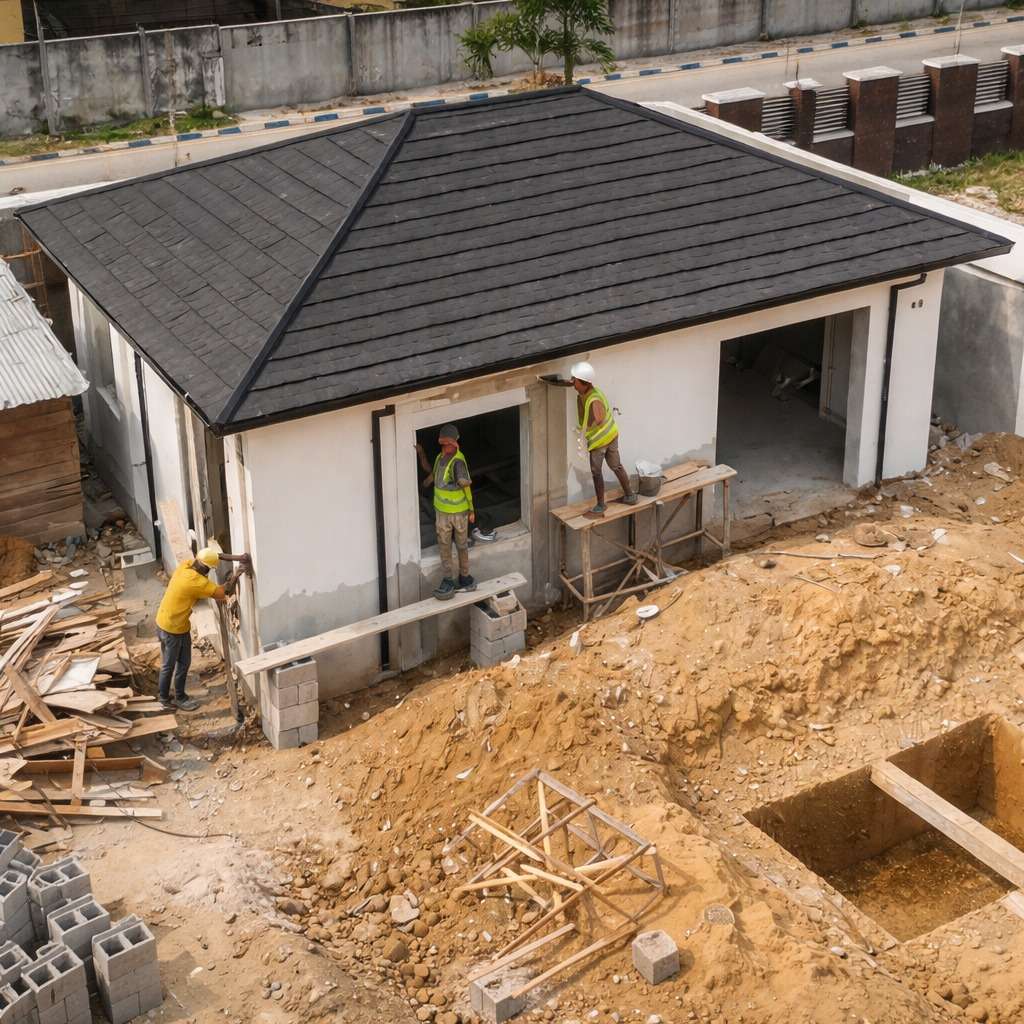
Heavy rainfall and flooding are common in many parts of Nigeria, especially in cities like Lagos. Effective drainage systems help to:
- Prevent waterlogging and structural damage
- Protect foundations from erosion
- Extend the lifespan of buildings
2. Natural Ventilation
Good airflow reduces dependence on mechanical cooling systems. Cross-ventilation design:
- Enhances indoor comfort
- Lowers electricity consumption
- Improves air quality
3. Heat-Resistant Materials
Using materials that can withstand high temperatures helps maintain indoor comfort and reduces energy use. Examples include:
- Insulated roofing sheets
- Reflective paints
- Stabilized earth blocks
Green Building Practices in Nigeria
1. Responsible Material Sourcing
Sourcing materials locally reduces transportation emissions and supports local industries. Sustainable materials include:
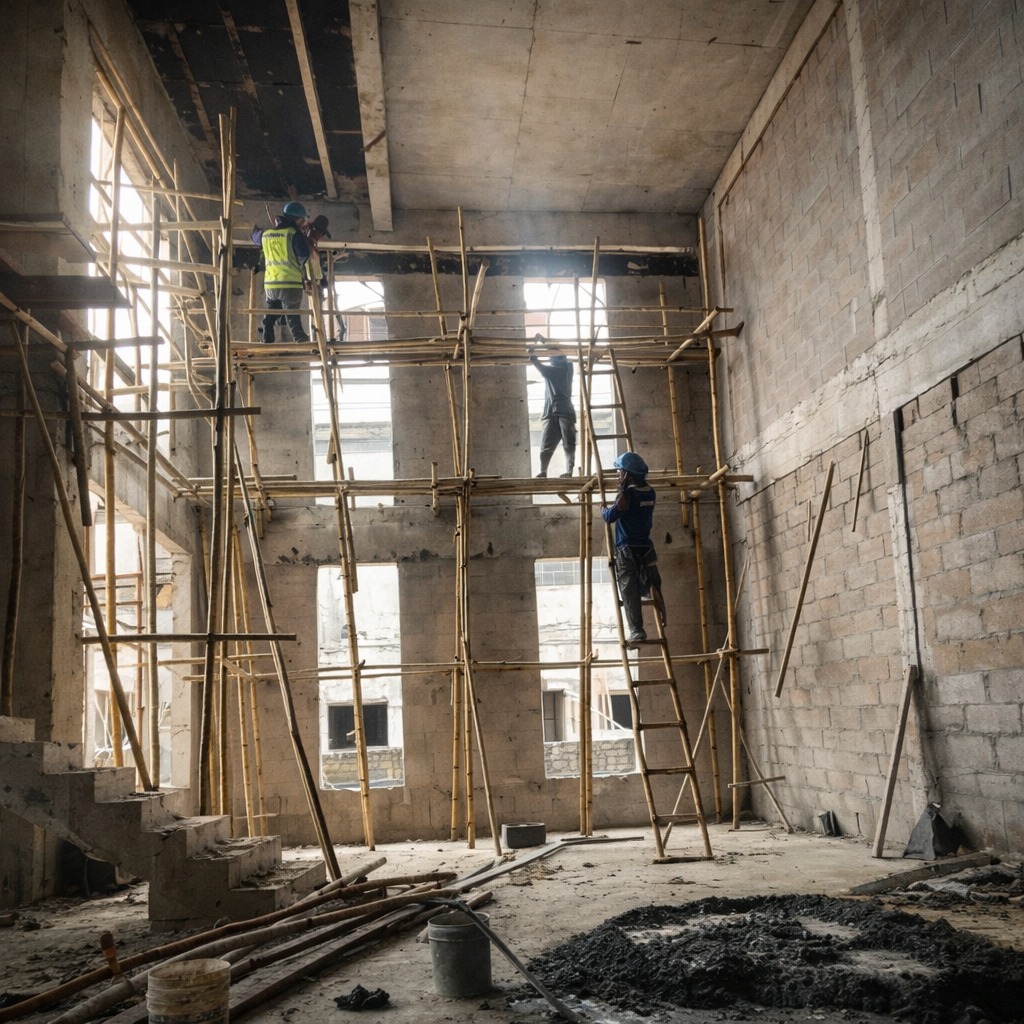
- Bamboo
- Laterite
- Recycled steel
2. Energy-Efficient Systems
Energy efficiency is a major component of green construction. Solutions include:
- Solar power systems
- LED lighting
- Energy-efficient appliances
These not only reduce environmental impact but also lower long-term operating costs.
3. Water Conservation Systems
Water scarcity is a growing concern. Sustainable buildings incorporate:
- Rainwater harvesting systems
- Water-efficient fixtures
- Greywater recycling
4. Construction Waste Management
Proper waste handling during construction minimizes environmental harm. This involves:
- Recycling construction materials
- Reducing excess material usage
- Proper disposal of hazardous waste
Benefits of Sustainable & Climate-Resilient Buildings
1. Increased Durability
Buildings designed with climate resilience in mind are better equipped to withstand harsh weather conditions, reducing repair and maintenance costs.
2. Energy Efficiency
Reduced reliance on artificial cooling and lighting leads to lower energy bills and improved sustainability.
3. Improved Indoor Comfort
Natural ventilation, better insulation, and thoughtful design create healthier and more comfortable living and working environments.
4. Higher Property Value
Sustainable buildings are increasingly attractive to buyers and investors due to their long-term cost savings and environmental benefits.
Challenges of Sustainable Construction in Nigeria
While the benefits are clear, some challenges still exist:
- Limited awareness of green building practices
- Higher initial construction costs
- Lack of widespread policy enforcement
- Limited access to sustainable materials
However, as awareness grows and technology advances, these barriers are gradually being overcome.
Future of Sustainable Construction in Nigeria
The future of construction in Nigeria lies in sustainability. With increasing government interest, private sector involvement, and global environmental concerns, green building practices are expected to become the standard rather than the exception.
Developers who adopt sustainable construction methods today position themselves ahead of the curve, benefiting from cost savings, regulatory compliance, and market demand.
Conclusion
Sustainable and climate-resilient construction is essential for Nigeria’s future. By incorporating climate-responsive design and green building practices, developers can create buildings that are durable, energy-efficient, and environmentally responsible.
Beyond reducing environmental impact, these practices deliver long-term value, improved performance, and enhanced living conditions. As Nigeria continues to grow, embracing sustainability in construction will be key to building a resilient and prosperous future.