Flood-Resilient Buildings in Nigeria: Why Smart Design Matters
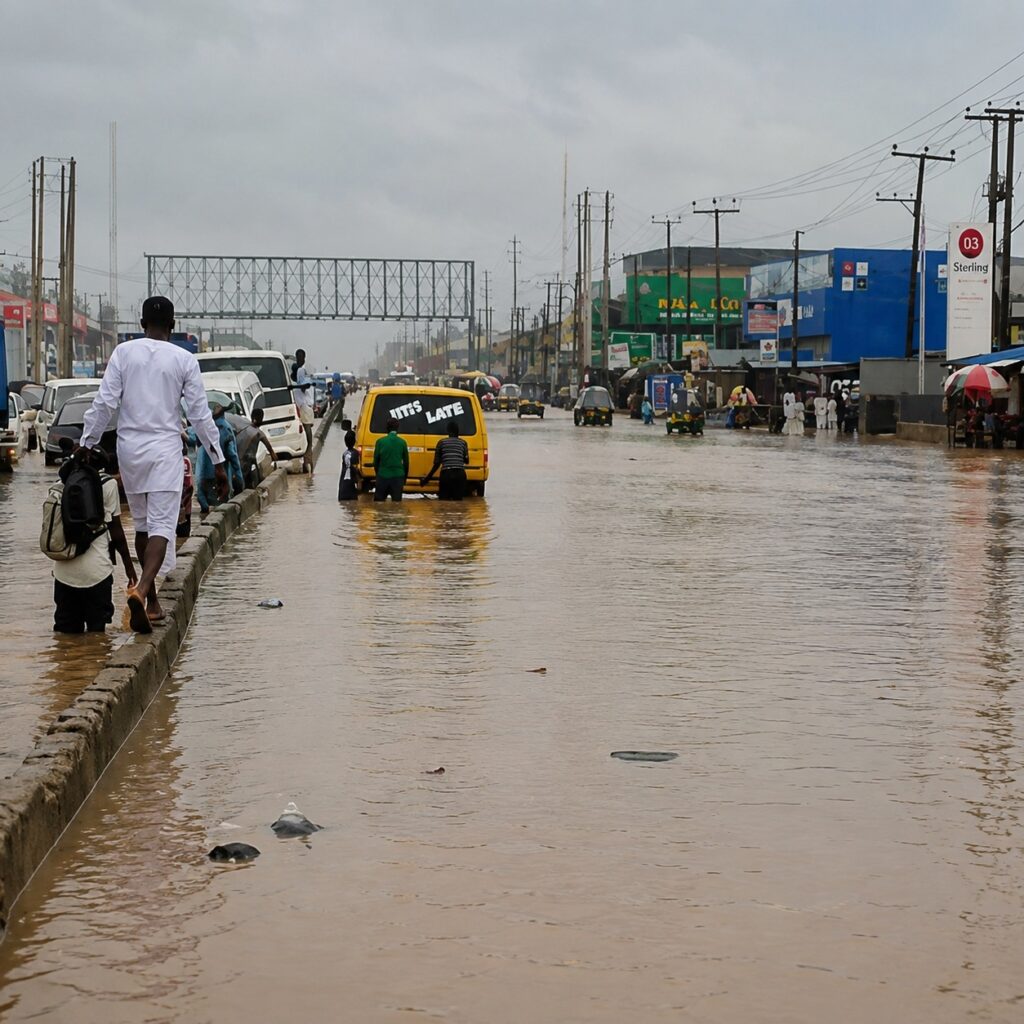
Flood-Resilient Buildings in Nigeria: Why Smart Design Matters Nigeria’s latest flood warnings should not be viewed only as an emergency-management issue. They should also be viewed as a construction and real estate issue. On September 21, 2026, the Lagos State Government advised residents in identified flood-prone and low-lying communities to move to safer, elevated areas following a fresh seven-day flood alert from the Nigeria Hydrological Services Agency (NiHSA). The advisory covers September 19–25 and includes Lagos among the affected states. This comes after repeated flood-risk warnings throughout the 2026 rainy season. NEMA reported in September that NIHSA had identified 14,118 communities across 266 LGAs in 33 states and the FCT as being at high risk of flooding in 2026. The message for Nigeria’s property industry is becoming increasingly difficult to ignore: We cannot continue designing buildings only for today’s conditions. Buildings must be designed with the realities of flooding, heat, unreliable power and changing environmental conditions in mind. For Petik Limited, this is part of a larger question about the future of construction in Nigeria: Are we simply building more, or are we building better? Flood Risk Is a Building Design Issue People often discuss flooding in terms of rainfall, drainage channels, and emergency response. But a building’s design and location can determine how severely flooding affects it. A poorly positioned or poorly designed building may experience: Water entering living spaces Damage to electrical installations Deterioration of walls and finishes Damage to foundations and external works Loss of household and commercial assets Disruption of business operations Expensive repairs and maintenance Flood resilience therefore needs to be considered before construction begins, not after the first major flood. What Does a Flood-Resilient Building Look Like? Flood resilience does not mean constructing a building that can withstand any flood under any circumstances. It means designing and developing a property with its specific site conditions and flood risks in mind. 1. Start With the Site One of the most important decisions happens before designing the foundation. Developers should understand: Site elevation Drainage patterns Soil conditions Flood history Nearby waterways Existing drainage infrastructure Natural water flow Proposed surrounding development Flood-risk information should be part of the development decision, not an afterthought. Nigeria’s hydrological authorities now provide flood forecasting and risk-monitoring tools intended to support preparedness and planning. 2. Consider Building Elevation Where site conditions require it, raising occupied floor levels can provide an additional layer of protection against floodwater. Elevated buildings or appropriately raised plinths can reduce the likelihood of water entering living and working spaces. Flood-adaptation guidance also identifies elevated buildings and raised floor levels as potential measures for reducing flood exposure. Qualified professionals should always determine the appropriate solution based on the site’s actual conditions. 3. Design Drainage as Part of the Building A building does not exist in isolation. Its drainage system needs to work with the surrounding site. Good development planning should consider: Roof drainage → Surface runoff → Site drainage → Estate drainage → Natural or approved discharge routes Blocked, undersized, or poorly connected drainage can turn heavy rainfall into a property emergency. Sustainable site planning can also incorporate permeable surfaces, landscaped areas and appropriate stormwater management where suitable. The objective is simple: Control water before it becomes a building problem. 4. Protect Critical Building Systems Position and protect electrical installations, generators, pumps, control systems, and other critical infrastructure according to the site’s flood risk. Where appropriate, locate sensitive equipment above expected flood levels or otherwise protect it from water exposure. This is particularly important for commercial properties, residential estates, healthcare facilities, hospitality properties, and other buildings where prolonged service interruption can create high costs. Energy Efficiency Is the Other Half of the Equation Flood resilience is only one part of future-ready construction. Nigeria also needs buildings that use energy more intelligently. Power costs, generator dependence and cooling requirements make energy efficiency an increasingly important consideration for property owners. Nigeria has a national Building Energy Efficiency Code (BEEC), which aims to establish minimum requirements for building energy efficiency and their implementation and enforcement. The World Bank’s building-code database also identifies Nigeria’s Building Energy Efficiency Code as a national building energy code, with provisions covering cooling, lighting, and passive design. Energy-smart construction therefore isn’t simply about installing solar panels. It begins with the building itself. What Is an Energy-Smart Building? An energy-smart building is designed to reduce unnecessary energy use while maintaining a comfortable, functional indoor environment. That can involve several strategies. Natural Ventilation: Good orientation and well-placed openings can encourage natural airflow and reduce reliance on mechanical cooling when outdoor conditions permit. Nigeria’s building requirements already address natural light and ventilation, while energy-efficiency guidance emphasizes climate-adaptive design. Better Shading: External shading can reduce direct solar heat entering the building. This can reduce the cooling load placed on air-conditioning systems. Efficient Windows and Building Envelope: Windows, roofs, walls and insulation all influence how much heat enters or leaves a building. Energy-efficiency guidance for Nigeria identifies elements such as fenestration, shading, roofs, lighting and air-conditioning as important areas for improving building performance. Natural Daylight: A well-designed building can use daylight more effectively, reducing the need for artificial lighting during daylight hours. Efficient Cooling: Air-conditioning remains important in Nigeria’s hot, humid conditions, but efficient equipment, appropriate sizing, and good building design can reduce unnecessary consumption. Solar Power Should Complement Good Design Solar energy plays an important role in Nigeria’s future buildings. But installing solar panels on an inefficient building does not automatically make that building energy-smart. The better approach is: Reduce energy demand → Improve building efficiency → Add renewable energy → Manage consumption intelligently Research on energy-efficient building design in Southern Nigeria has demonstrated the potential of combining passive design strategies with solar energy systems to reduce building energy demand and improve overall energy performance. This approach can help reduce dependence on generators and grid electricity while improving resilience during power interruptions. Flood Resilience + Energy Efficiency = Better Long-Term Value These two ideas are often discussed separately. They shouldn’t be.
Flood-Resilient Buildings in Nigeria: Why Smart Design Matters Read More »