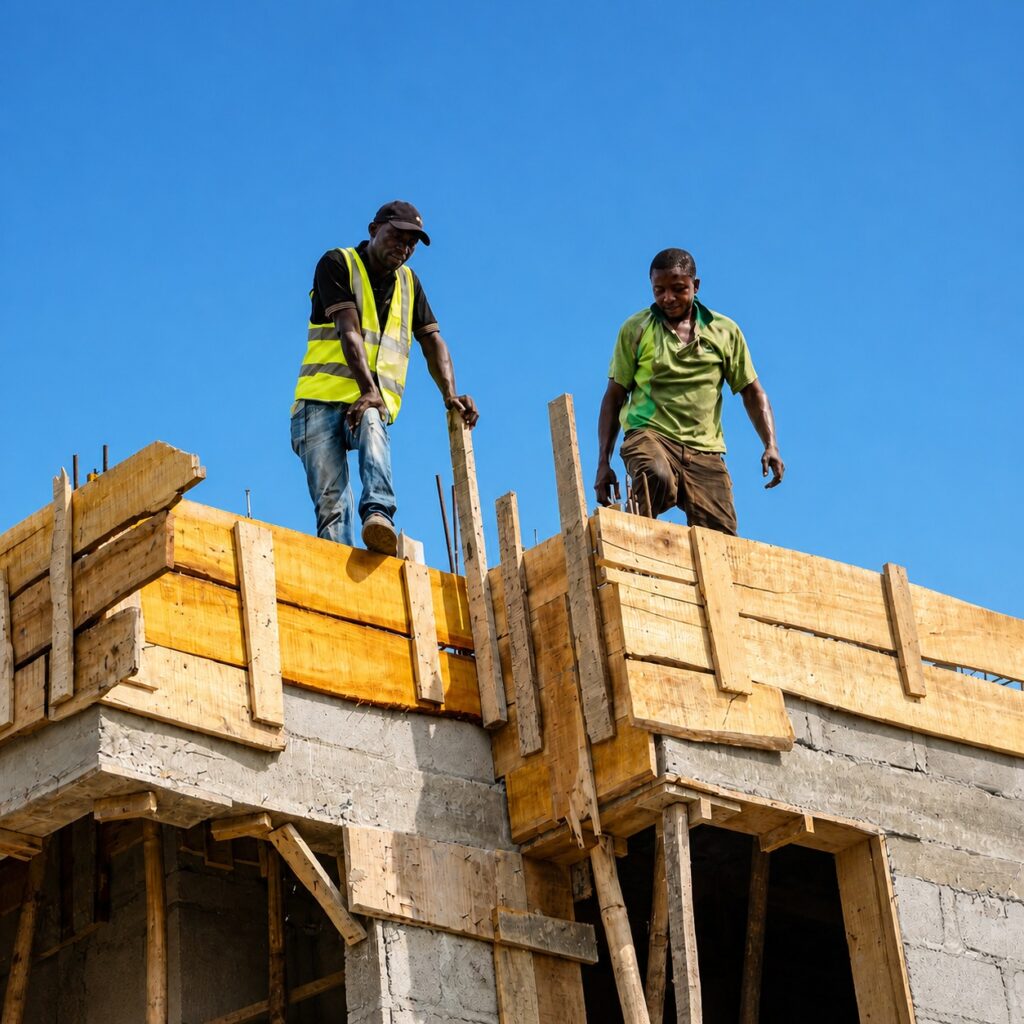
Honouring the Hands That Build Nigeria: The Role of Local Labor in Construction Growth

INTRODUCTION Behind every road, bridge, and building in Nigeria are skilled and dedicated individuals whose efforts shape the nation’s future. Construction is not just about concrete and steel, it is about people. From the hands that mix concrete to the minds that plan and supervise projects, every contributor plays a role in transforming ideas into reality. Local labor remains at the heart of this transformation, driving economic growth, empowering communities, and supporting sustainable development across the country. THE POWER OF LOCAL LABOR IN CONSTRUCTION Employing local workers ensures that development projects directly benefit the communities in which they are carried out. It creates employment opportunities, reduces unemployment, and stimulates local economies. When workers earn within their communities, they spend locally, which further strengthens small businesses and promotes economic circulation. Beyond economic benefits, engaging local labor also improves project efficiency. Local workers understand the environment, terrain, and cultural dynamics of their communities, making them valuable assets in project execution. By investing in local talent, construction companies are not only delivering projects but also contributing to long-term national growth and stability. SKILLS DEVELOPMENT AND CAPACITY BUILDING The construction industry requires a wide range of technical skills and expertise. Through structured training programs, workers can acquire competencies in masonry, carpentry, welding, plumbing, electrical installations, and equipment handling. These skills elevate workers from unskilled laborers to certified professionals capable of handling complex projects. Capacity building does not end on-site. Workers who receive proper training gain long-term career opportunities, allowing them to work on future projects, start their own businesses, or train others. This continuous transfer of knowledge strengthens the construction industry and contributes to national workforce development. ECONOMIC AND SOCIAL IMPACT The impact of local labor extends far beyond construction sites. With stable income, workers are able to support their families, invest in education, and improve their overall standard of living. This leads to stronger households and more resilient communities. Infrastructure projects also act as catalysts for development. Roads improve transportation and trade, buildings create spaces for businesses and services, and public facilities enhance access to healthcare and education. As a result, communities experience both economic and social transformation, driven by the involvement of their own people. SUSTAINABILITY AND COMMUNITY DEVELOPMENT Incorporating local labor into construction projects supports sustainability in multiple ways. It reduces the need for external labor, lowers project costs, and promotes community ownership. When people are directly involved in building their environment, they are more likely to maintain and protect it. Furthermore, empowering local workers fosters a sense of pride and responsibility. Communities become active participants in development rather than passive observers, ensuring that progress is inclusive and long-lasting. CONCLUSION Construction is more than the creation of physical structures—it is a powerful driver of national progress. By prioritizing local labor, we are not just building roads, bridges, and homes; we are building skills, creating opportunities, and strengthening communities. Investing in people remains one of the most effective ways to achieve sustainable development and secure a better future for Nigeria.

Honouring the Hands That Build Nigeria: The Role of Local Labor in Construction Growth Read More »
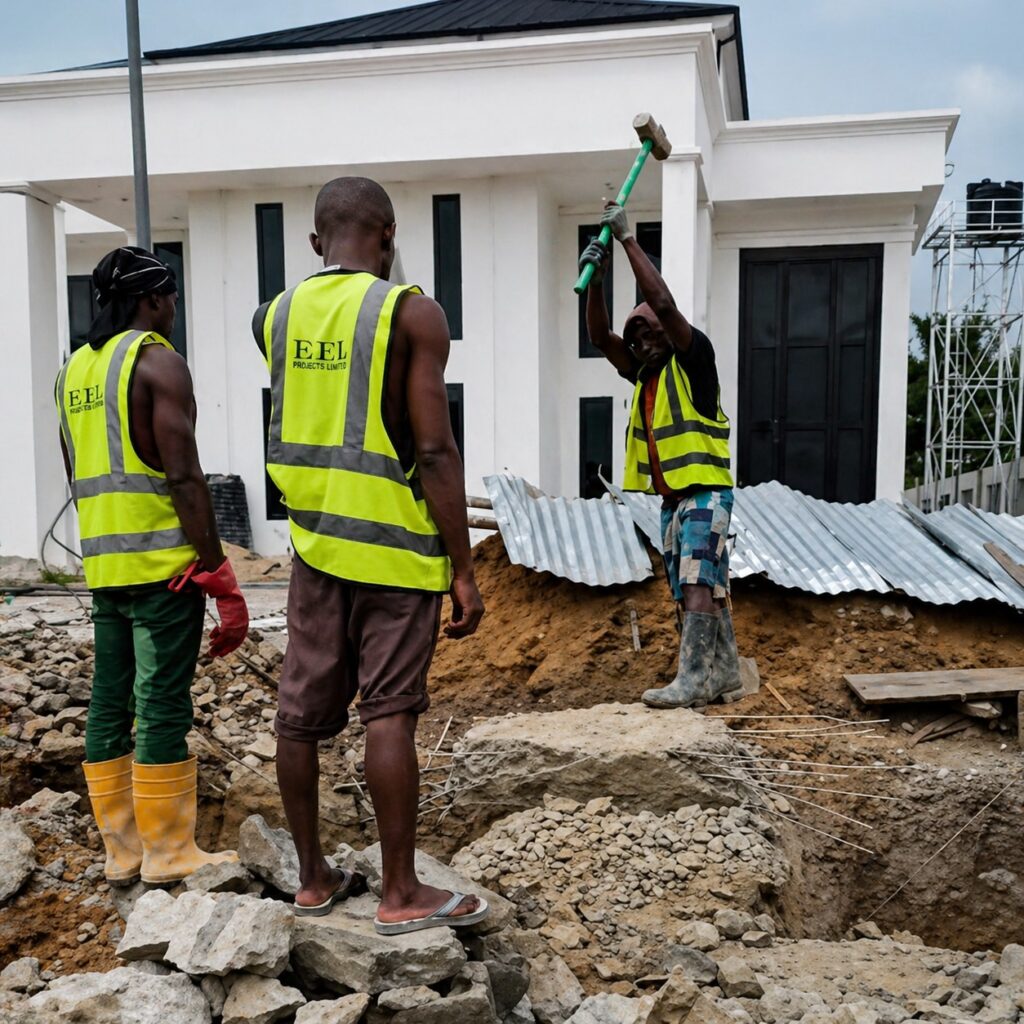
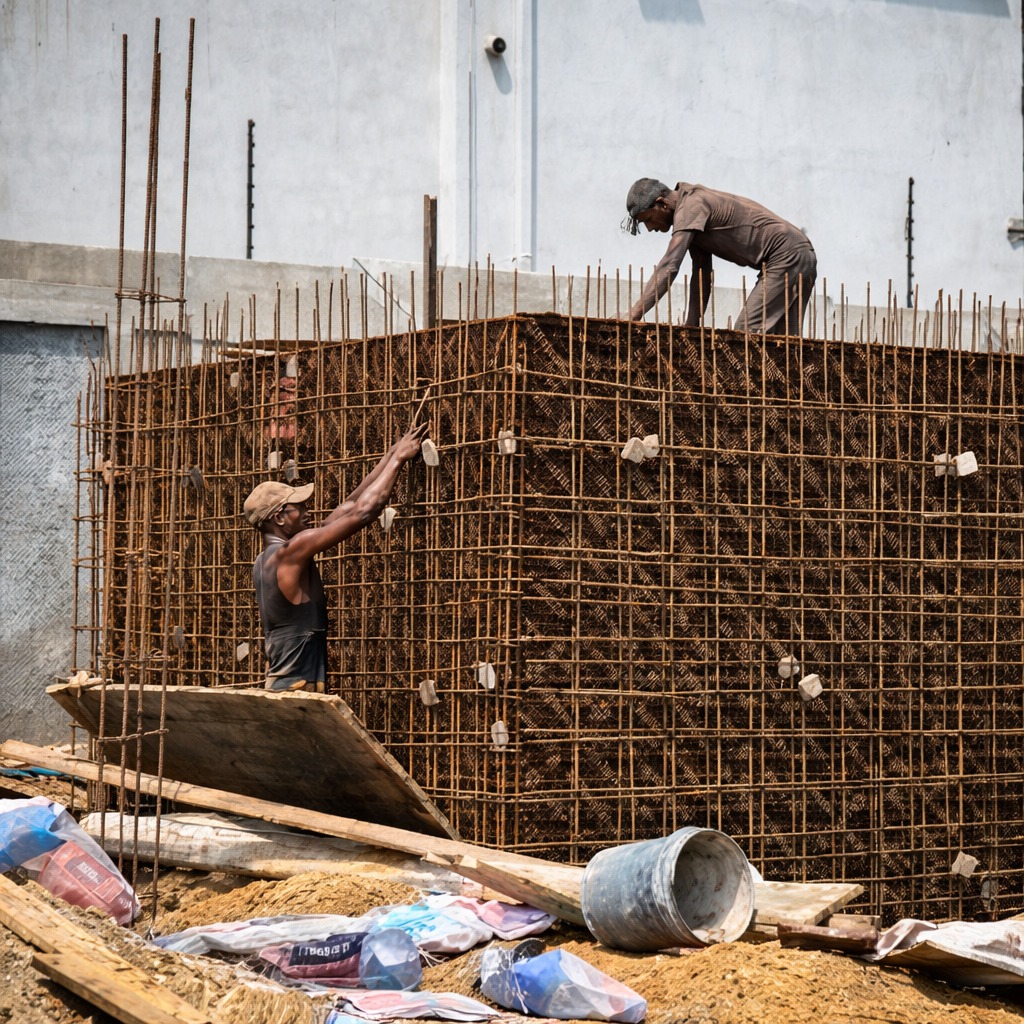
Sustainable Construction in Nigeria: Building for the Future

Sustainable Construction in Nigeria

Introduction Sustainability has become an essential part of modern construction, especially in Nigeria where rapid urban growth continues to increase the demand for durable, efficient, and environmentally responsible buildings. Sustainable construction focuses on creating structures that are strong, safe, cost-effective, and less harmful to the environment. Eco-Friendly Construction Practices Eco-friendly construction involves using materials and methods that reduce waste, conserve energy, and protect natural resources. This includes responsible sourcing of building materials, proper waste management, energy-efficient designs, and the use of durable materials that reduce the need for frequent repairs. Energy Efficiency in Buildings Energy efficiency is a major part of sustainable building in Nigeria. Good building orientation, natural lighting, proper ventilation, quality roofing, and energy-saving fittings can help reduce electricity consumption and improve comfort for occupants. Health and Safety Sustainable construction also supports healthier living and working spaces. Proper drainage helps prevent flooding and water damage, while good ventilation improves indoor air quality. Safe construction practices, strong structural planning, and quality installations also reduce risks during and after construction. Quality Control and Durability Strict inspection and quality control ensure that every stage of construction meets required standards. From foundation work to finishing, proper supervision helps prevent defects, improves durability, and protects the client’s investment. Conclusion Sustainable construction is not just about protecting the environment; it is about building smarter, safer, and stronger structures for the future. By combining eco-friendly construction practices, quality control, and efficient design, we can create buildings that serve people today while preserving resources for tomorrow.

Sustainable Construction in Nigeria Read More »

Construction as Art: Blending Design, Innovation, and Functionality

Introduction Construction is far more than assembling materials, it is a creative and technical process that merges engineering precision with artistic vision. In today’s rapidly evolving world, especially within the context of architectural design Nigeria, construction has become a powerful medium for expressing culture, innovation, and purpose. Every structure tells a story, combining aesthetics, durability, and functionality to meet both human and environmental needs. Architecture as Expression Architecture serves as a visual language that communicates identity, values, and creativity. Modern buildings in Nigeria increasingly reflect a blend of cultural heritage and contemporary trends, resulting in unique and inspiring designs. From sleek urban high-rises to thoughtfully designed residential homes, modern building design Nigeria emphasizes: Aesthetic appeal that enhances the surrounding environment Functional layouts that improve usability and comfort Sustainable materials that promote eco-friendly living These elements transform ordinary buildings into works of art that stand the test of time. The Role of Construction Innovation Innovation is at the heart of modern construction. With advancements in technology, materials, and building techniques, the industry continues to evolve, delivering smarter and more efficient solutions. Construction innovation in Nigeria now includes: Smart building systems for energy efficiency and automation Use of durable and sustainable materials Advanced construction methods that reduce time and cost Integration of green building practices These innovations not only improve the quality of structures but also ensure they meet global standards while adapting to local needs. Client-Centered Design At the core of every successful project is a deep understanding of the client’s vision. Client-centered design ensures that every building is tailored to specific preferences, lifestyle needs, and functional requirements. This approach involves: Active collaboration and communication with clients Custom design solutions that reflect individual tastes Flexibility to adapt designs during project development By prioritizing the client, construction becomes a personalized experience, resulting in spaces that are both meaningful and practical. From Concept to Reality The journey from idea to finished structure is a carefully coordinated process. Each stage plays a crucial role in ensuring quality and excellence: Planning: Understanding project goals, site conditions, and feasibility Design: Creating architectural drawings and 3D visualizations Execution: Bringing designs to life through skilled construction Finishing: Adding final touches that enhance aesthetics and usability This structured approach ensures that every project is delivered efficiently, meeting both design expectations and structural standards. Conclusion Construction is truly an art form, one that blends creativity, innovation, and technical expertise to shape the environments we live and work in. As architectural design in Nigeria continues to evolve, the fusion of modern techniques and artistic vision will drive the creation of more sustainable, functional, and visually striking buildings. Ultimately, great construction goes beyond structures, it turns ideas into lasting realities that inspire and endure.

Construction as Art: Blending Design, Innovation, and Functionality Read More »

Craftsmanship & Expertise in Construction: What Sets Quality Builders Apart

Craftsmanship & Expertise in Construction: What Sets Quality Builders Apart

Introduction Construction is a multifaceted industry that seamlessly combines engineering expertise with creative innovation, transforming concepts into durable, functional, and visually compelling structures that meet modern standards, enhance environments, and stand the test of time. Architecture as Expression Architecture goes beyond the act of building; it is a powerful form of expression where creativity meets purpose. Every structure tells a story through its design, blending aesthetics, functionality, and innovation to create spaces that inspire, serve communities, and elevate the quality of life. Client-Centered Design At the core of our approach is a deep commitment to our clients. We take the time to understand their needs, preferences, and long-term goals, ensuring that every detail is thoughtfully considered. By fostering collaboration and clear communication, we deliver tailored solutions that reflect each client’s unique vision while maintaining the highest standards of quality and efficiency. From Concept to Reality Our process is comprehensive and carefully structured to ensure excellence at every stage. From initial concept development and strategic planning to detailed architectural design, precise execution, and high-quality finishing, we manage each phase with professionalism, technical expertise, and a strong focus on delivering outstanding results within scope and timeline. Conclusion We are dedicated to transforming ideas into lasting realities by combining innovation, craftsmanship, and attention to detail. Our goal is to deliver structures that are not only strong and functional but also timeless, impactful, and aligned with our clients’ aspirations, leaving a lasting legacy for generations to come.

Craftsmanship & Expertise in Construction: What Sets Quality Builders Apart Read More »

Scroll to Top