Why Quality Materials and Professional Standards Define Successful Construction Projects

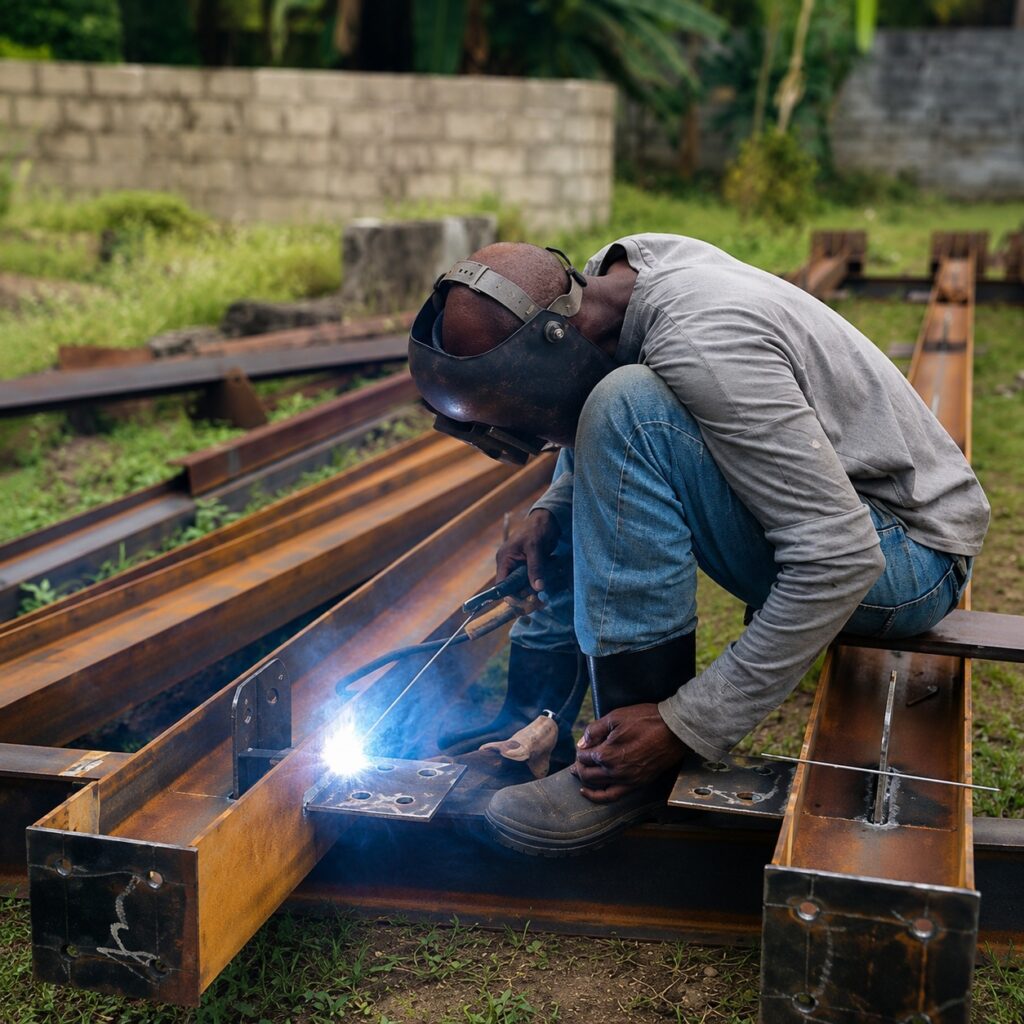
Introduction Every successful construction project begins with a strong foundation built on quality materials, professional expertise, and strict construction standards. In Nigeria’s rapidly growing construction industry, developers, property owners, and investors are becoming increasingly aware that cutting corners during construction can lead to serious structural and financial consequences. A building is more than just walls and roofing—it is a long-term investment that must provide safety, durability, comfort, and value. This is why quality and professionalism are no longer optional in modern construction; they are essential. The Importance of Quality Materials The quality of construction materials directly affects the strength, durability, and lifespan of any structure. Using substandard materials may reduce initial costs, but it often results in long-term problems such as cracks, leakages, corrosion, structural weakness, and expensive maintenance. High-quality materials help ensure that buildings can withstand environmental conditions, heavy usage, and the effects of time. Materials such as durable cement, reinforced steel, quality electrical fittings, reliable plumbing systems, and properly tested blocks contribute significantly to structural stability and safety. Quality materials also improve: Structural strength and durability Safety for occupants Resistance to weather and environmental damage Reduced maintenance and repair costs Long-term property value Investing in quality materials from the beginning helps prevent future construction failures and protects the integrity of the entire project. Strict Quality Control Processes Professional construction projects follow carefully planned quality control procedures at every stage of development. These processes ensure that materials, artistry, and site operations meet industry standards and project specifications. Key quality control measures include: Material Inspection and Verification Before materials are used on-site, they are properly inspected and verified to ensure they meet required quality standards. This helps eliminate the risk of using weak or defective materials. Compliance With Industry Standards Professional construction companies adhere to approved engineering practices, building regulations, and safety guidelines to maintain structural integrity and project reliability. Continuous Site Monitoring Regular supervision and inspections during construction help ensure that work is carried out correctly and in accordance with approved plans. This reduces errors, delays, and costly corrections. By maintaining strict quality control, construction teams deliver projects that meet both safety and performance expectations. Professional Standards and Safety Professional construction practices go beyond building structures—they focus on creating safe, functional, and sustainable environments. From planning and design to execution and finishing, every stage requires skilled professionals who understand industry best practices. Adhering to professional standards ensures: Proper structural design and execution Safe working conditions on-site Compliance with safety regulations Efficient project management Accurate construction techniques Long-lasting building performance Safety remains one of the most important aspects of construction. Poor artistry or negligence can lead to dangerous structural failures that put lives and property at risk. Professionalism helps minimize these risks while ensuring quality delivery. Long-Term Value of Quality Construction Many property owners focus solely on short-term construction costs, failing to consider long-term value. However, buildings constructed with quality materials and professional standards often require less maintenance, experience fewer structural issues, and maintain higher market value over time. Quality construction also enhances: Investor confidence Occupant comfort and safety Building lifespan Energy efficiency Overall property reputation Choosing quality from the start ultimately saves money and increases the project’s long-term success. Conclusion Quality construction is not simply about appearance—it is about durability, safety, reliability, and long-term performance. Every successful construction project depends on verified materials, strict quality control, and professional construction standards. By prioritizing quality at every stage, construction companies can deliver buildings that stand the test of time and provide lasting value to clients, investors, and communities.  

Why Quality Materials and Professional Standards Define Successful Construction Projects Read More »
Honouring the Hands That Build Nigeria: The Role of Local Labor in Construction Growth

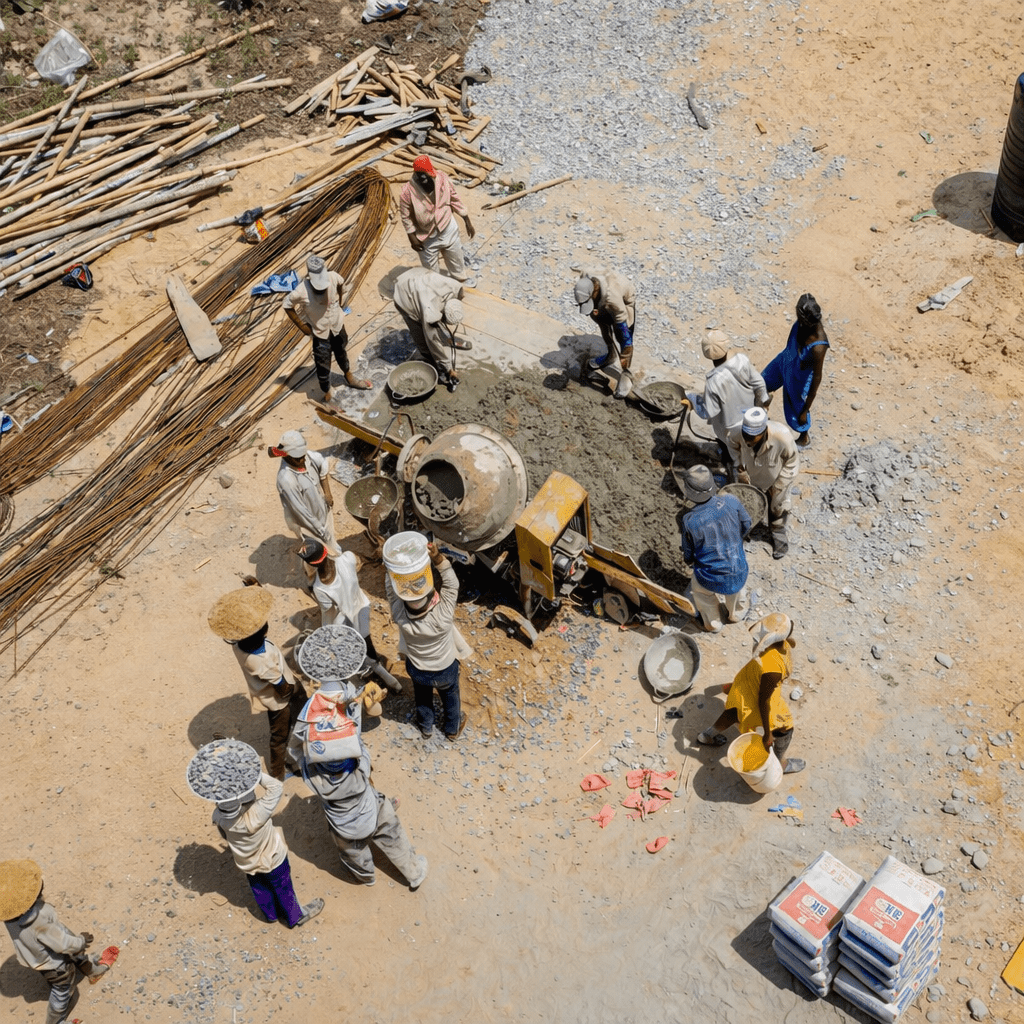
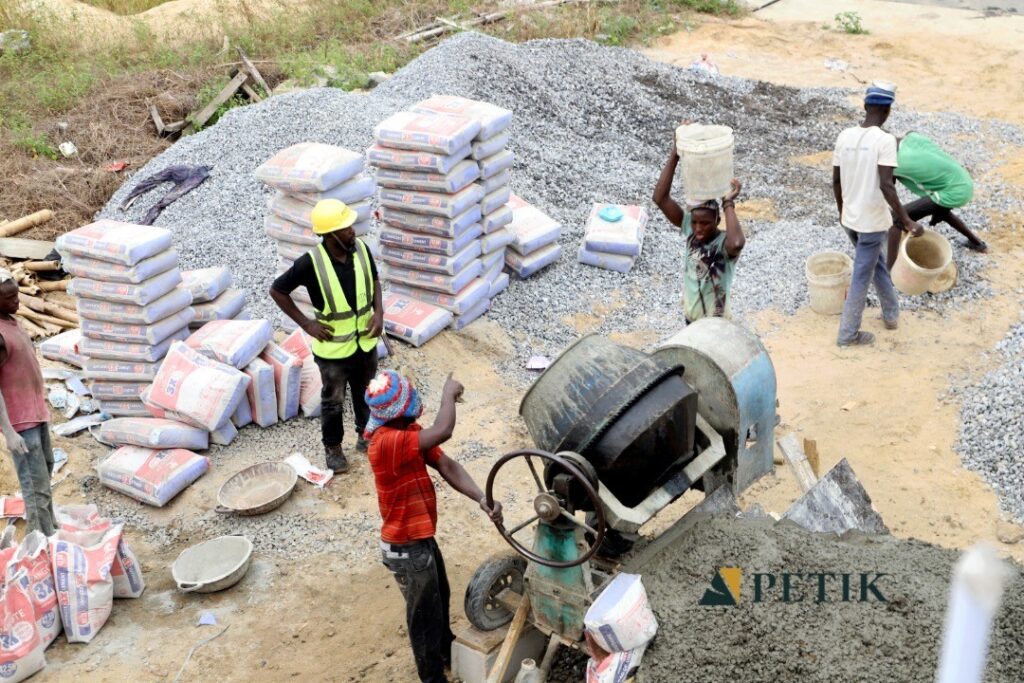
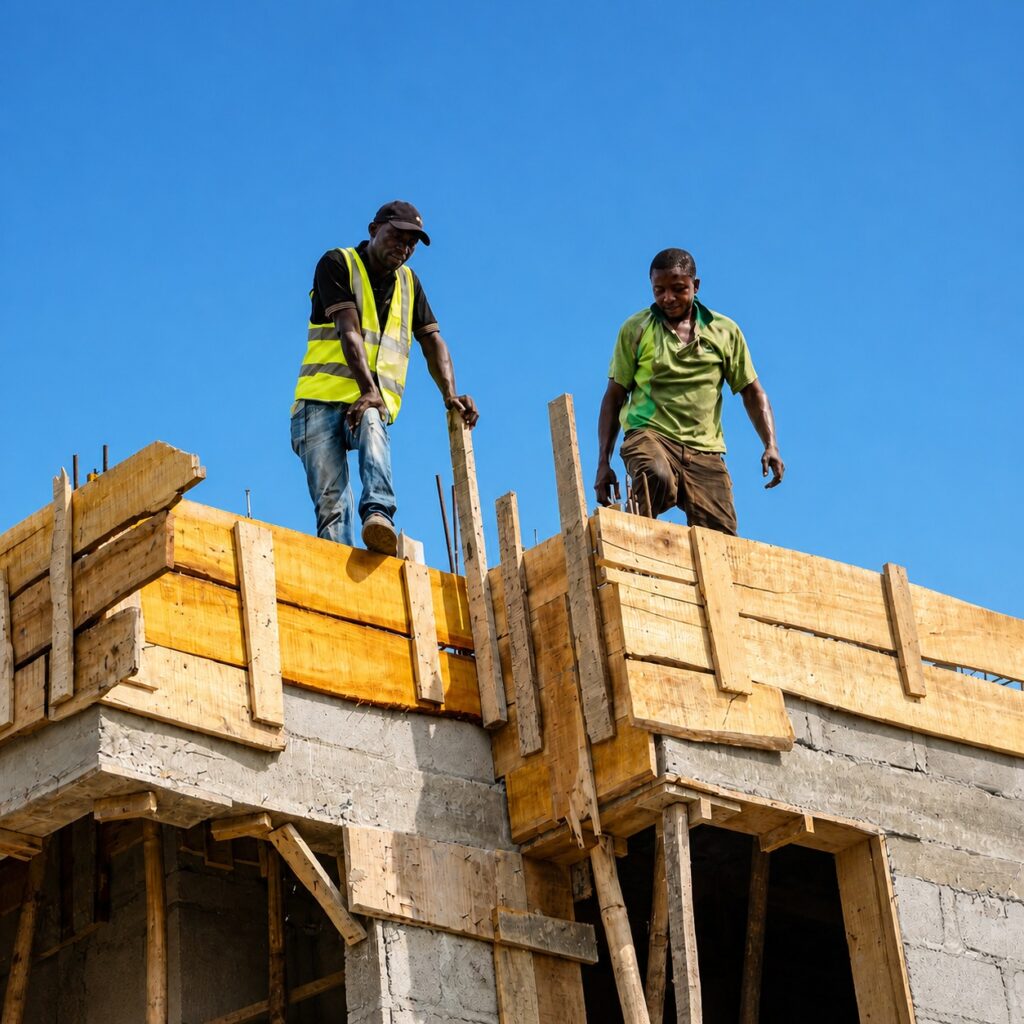
INTRODUCTION Behind every road, bridge, and building in Nigeria are skilled and dedicated individuals whose efforts shape the nation’s future. Construction is not just about concrete and steel, it is about people. From the hands that mix concrete to the minds that plan and supervise projects, every contributor plays a role in transforming ideas into reality. Local labor remains at the heart of this transformation, driving economic growth, empowering communities, and supporting sustainable development across the country. THE POWER OF LOCAL LABOR IN CONSTRUCTION Employing local workers ensures that development projects directly benefit the communities in which they are carried out. It creates employment opportunities, reduces unemployment, and stimulates local economies. When workers earn within their communities, they spend locally, which further strengthens small businesses and promotes economic circulation. Beyond economic benefits, engaging local labor also improves project efficiency. Local workers understand the environment, terrain, and cultural dynamics of their communities, making them valuable assets in project execution. By investing in local talent, construction companies are not only delivering projects but also contributing to long-term national growth and stability. SKILLS DEVELOPMENT AND CAPACITY BUILDING The construction industry requires a wide range of technical skills and expertise. Through structured training programs, workers can acquire competencies in masonry, carpentry, welding, plumbing, electrical installations, and equipment handling. These skills elevate workers from unskilled laborers to certified professionals capable of handling complex projects. Capacity building does not end on-site. Workers who receive proper training gain long-term career opportunities, allowing them to work on future projects, start their own businesses, or train others. This continuous transfer of knowledge strengthens the construction industry and contributes to national workforce development. ECONOMIC AND SOCIAL IMPACT The impact of local labor extends far beyond construction sites. With stable income, workers are able to support their families, invest in education, and improve their overall standard of living. This leads to stronger households and more resilient communities. Infrastructure projects also act as catalysts for development. Roads improve transportation and trade, buildings create spaces for businesses and services, and public facilities enhance access to healthcare and education. As a result, communities experience both economic and social transformation, driven by the involvement of their own people. SUSTAINABILITY AND COMMUNITY DEVELOPMENT Incorporating local labor into construction projects supports sustainability in multiple ways. It reduces the need for external labor, lowers project costs, and promotes community ownership. When people are directly involved in building their environment, they are more likely to maintain and protect it. Furthermore, empowering local workers fosters a sense of pride and responsibility. Communities become active participants in development rather than passive observers, ensuring that progress is inclusive and long-lasting. CONCLUSION Construction is more than the creation of physical structures—it is a powerful driver of national progress. By prioritizing local labor, we are not just building roads, bridges, and homes; we are building skills, creating opportunities, and strengthening communities. Investing in people remains one of the most effective ways to achieve sustainable development and secure a better future for Nigeria.

Honouring the Hands That Build Nigeria: The Role of Local Labor in Construction Growth Read More »

Construction Quality Control Standards in Nigeria

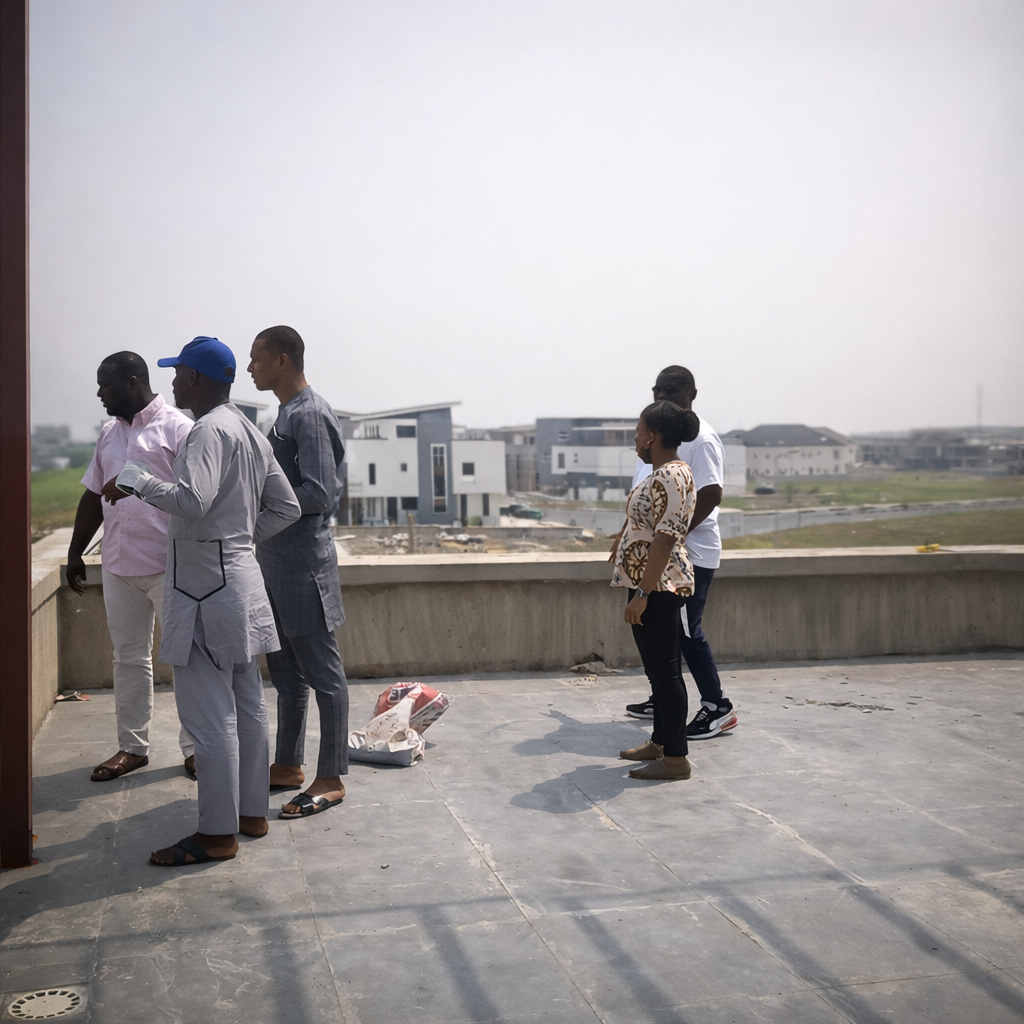
Introduction True construction excellence is measurable. Successful building projects depend on strong construction quality control standards that ensure durability, safety, and compliance with engineering specifications. At Petik Limited, our quality control framework focuses on consistent monitoring, proper material verification, and professional site supervision. These systems help ensure that every stage of construction meets approved standards. Quality Assurance Framework Our construction quality control process in Nigeria includes structured procedures designed to maintain accuracy and accountability throughout the project. Key elements of our quality assurance framework include: 1. Material Verification: All construction materials are carefully inspected before use to confirm that they meet required engineering standards. This includes verifying cement quality, reinforcement materials, aggregates, and other structural components. 2. Site Supervision: Professional site supervision in Nigeria ensures that construction activities follow approved architectural and engineering drawings. Supervisors monitor daily site activities and ensure that workers follow proper building procedures. 3. Stage-by-Stage Inspections: Regular inspections are conducted at critical stages of the construction process, including foundation work, structural framing, and finishing phases. This step-by-step inspection approach helps identify issues early and maintain high construction standards. Why Construction Standards Matter Without structured monitoring and inspections, construction projects can develop hidden defects that may lead to long-term structural problems. Strong construction standards in Nigeria help to: Improve building safety Reduce construction errors Prevent structural defects Lower long-term maintenance costs Ensure compliance with engineering regulations Quality control ensures that buildings remain safe, durable, and structurally reliable. Conclusion In professional construction, quality cannot be left to chance. It must be monitored, tested, and verified throughout the entire building process. Through strict construction quality control systems, structured inspections, and professional site supervision, Petik Limited delivers construction projects that meet high engineering standards. Quality is not assumed, it is verified.     

Construction Quality Control Standards in Nigeria Read More »

From Blueprint to Reality: Engineering Excellence in Nigerian Construction

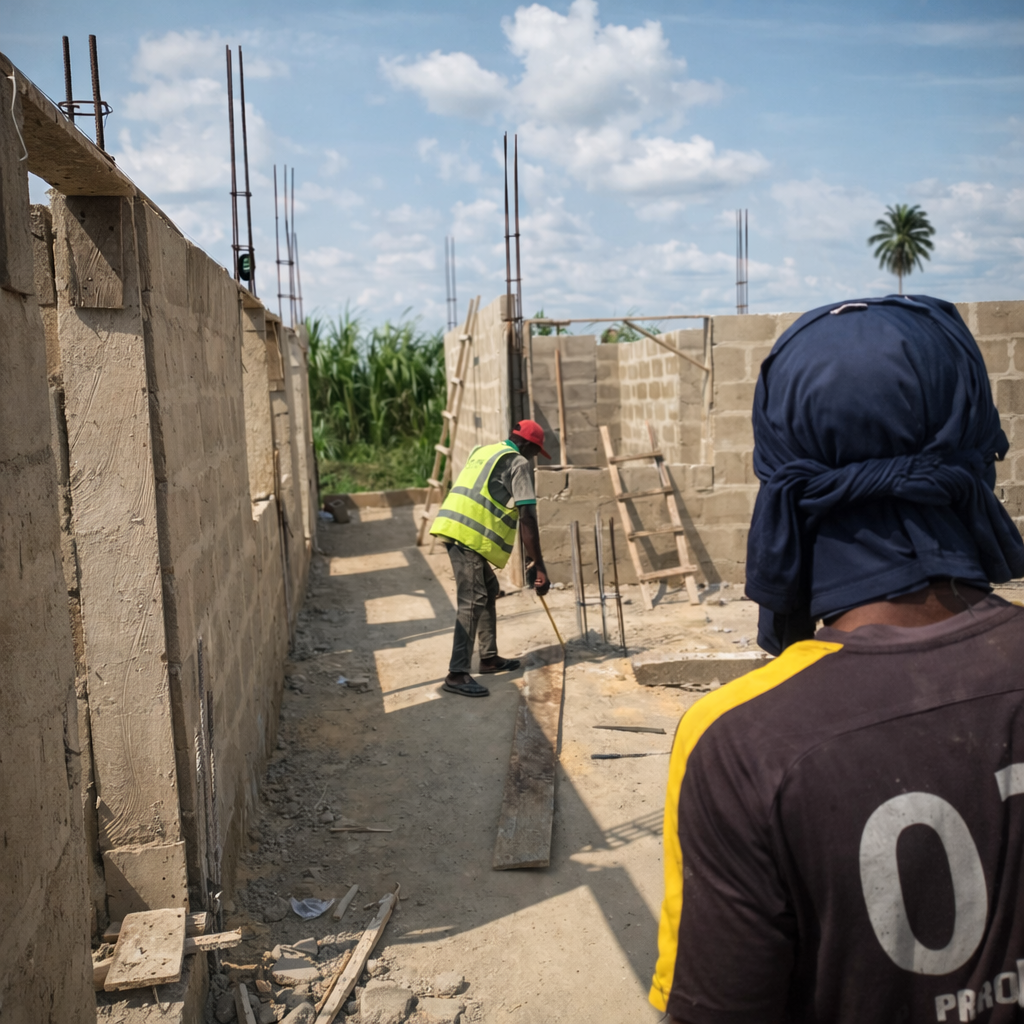
Introduction Behind every completed building is a structured engineering construction process supported by professional supervision, accurate planning, and strong quality control. At Petik Limited, architectural designs are carefully transformed into durable structures through expert structural engineering, foundation precision, and effective building project management in Nigeria. Structural Engineering Process Before construction begins, a proper engineering evaluation is essential to ensure structural safety and long-term performance. Our structural engineering process includes evaluating: Soil conditions to determine foundation requirements Load calculations to ensure structural stability Drainage systems to prevent water damage Environmental impact to ensure sustainable construction These assessments allow engineers to develop safe and efficient construction plans. Foundation and Reinforcement The foundation is the most critical part of any building. Precision during this stage determines the durability and strength of the structure. Our process focuses on: Accurate excavation and site preparation Proper reinforcement alignment Correct concrete mix ratios Adequate curing time for structural strength These practices ensure long-lasting quality building construction. Structural Framing and Slab Casting Once the foundation is complete, the structural frame begins to take shape. During this stage, we focus on: Measurement accuracy for structural components Alignment checks for beams and columns Compliance with approved architectural and engineering drawings Maintaining strict standards during framing ensures that the structure remains stable and properly aligned. Continuous Quality Inspections Quality assurance is essential throughout the entire construction engineering process. Regular inspections are conducted at every stage to verify: Structural integrity Material quality Compliance with engineering specifications Overall construction safety Continuous monitoring helps maintain high standards and prevents costly construction errors. Conclusion Engineering excellence is what transforms architectural blueprints into strong, safe, and durable structures. Through expert structural engineering, careful foundation work, and professional building project management in Nigeria, Petik Limited delivers construction projects that meet modern engineering standards. Great buildings begin with strong engineering, and strong engineering creates structures that last.

From Blueprint to Reality: Engineering Excellence in Nigerian Construction Read More »

Building Without Barriers: Diversity, Safety & Professional Construction Standards inNigeria

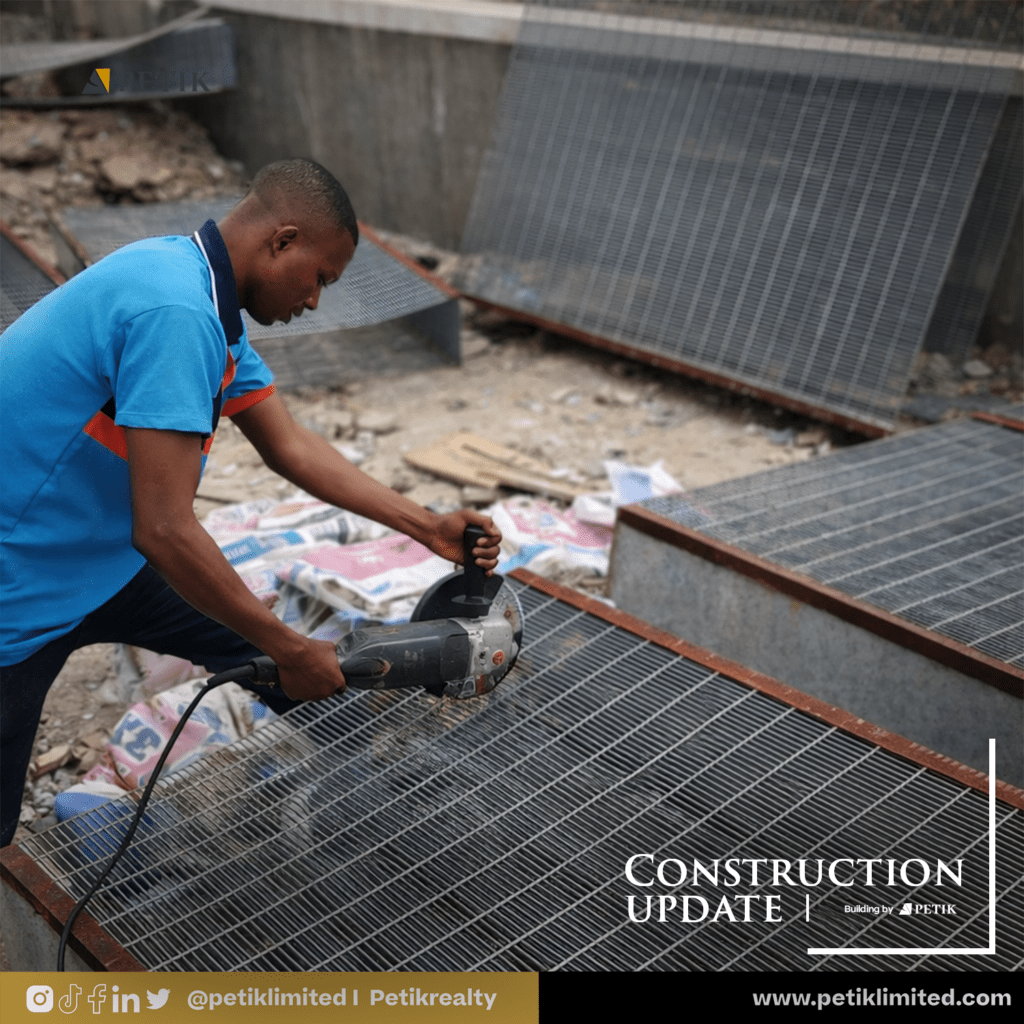
Introduction Choosing the right construction company in Nigeria goes beyond comparing prices. Successful construction projects require strong engineering expertise, effective teamwork, and reliable project management systems. At Petik Limited, we believe that strong buildings begin with strong standards. Our approach combines inclusive teamwork, strict construction safety standards, and structured construction project management to deliver projects that are durable, efficient, and professionally executed. Why Diversity Strengthens Construction Projects Modern construction requires collaboration between engineers, architects, supervisors, artisans, and project managers. When these professionals work together effectively, projects benefit from improved planning and better decision-making. Diverse teams bring different skills and perspectives, which help improve innovation, problem-solving, and accountability. This coordinated approach reduces delays and ensures that construction work progresses smoothly from planning to completion. Construction Safety Standards Safety is essential in every construction project. At Petik Limited, we maintain strict construction safety standards to protect workers and maintain productive job sites. Our safety system includes: Daily toolbox meetings to discuss safety procedures and site tasks Strict enforcement of PPE, including helmets, safety boots, and reflective vests Risk assessment protocols to identify and manage potential hazards Ongoing worker training to maintain safe construction practices Safe construction sites improve efficiency, reduce accidents, and support better project outcomes. Structured Construction Project Management Professional construction project management in Nigeria ensures that projects are delivered on time, within budget, and according to engineering standards. At Petik Limited, our management system includes: Clear documentation for all project activities Defined timelines for each construction stage Milestone tracking to monitor progress Budget monitoring to control project costs Continuous site inspections to maintain quality standards These systems help reduce risks and ensure that every project meets professional construction standards. Conclusion Delivering successful construction projects requires strong teamwork, effective safety practices, and reliable management systems. Through inclusive collaboration, strict safety standards, and structured project management, Petik Limited continues to deliver professional construction services in Nigeria. Petik Limited builds without barriers, and builds to last.

Building Without Barriers: Diversity, Safety & Professional Construction Standards inNigeria Read More »

Progress You Can Measure, Not Just Admire: How We Track Quality at Cowrie Creek Estate

1. How We Define Real Progress At Cowrie Creek Estate, progress is not simply about completed slabs or rising walls. Real progress means: Every stage aligns with approved architectural and structural drawings Materials meet required engineering specifications Workmanship passes technical supervision checks Structural elements comply with safety standards Construction only advances when each phase satisfies these defined benchmarks. Visibility alone is not validation — verification is. 2. Our Quality Tracking Process Quality at Cowrie Creek Estate is monitored through structured inspections before, during, and after execution. We assess: Reinforcement placement – Correct spacing, positioning, and binding before concrete casting Structural alignment – Ensuring columns, beams, and walls follow approved layouts Concrete consistency – Proper mix ratios, curing process, and strength standards Workmanship quality – Clean finishes, accurate detailing, and structural integrity Each transition between construction stages reflects disciplined oversight and documented inspection approvals. This ensures no stage moves forward without meeting performance standards. Clean transitions between foundation, framing, and finishing stages are not accidental, they are the result of systematic quality control. 3. Why This Matters to Homeowners and Investors Quality tracking is not just a technical process; it is a value protection system. For homeowners, it means: Structural durability Reduced long-term maintenance issues Confidence in safety and building integrity For investors, it means: Protection of capital Sustained property value Consistency across the estate Measured quality ensures that every structure within the estate meets the same standard, protecting both individual homes and the collective value of the development. At Cowrie Creek Estate, progress is not just something you see,  it is something you can trust.

Progress You Can Measure, Not Just Admire: How We Track Quality at Cowrie Creek Estate Read More »

Chaos or Control? How Professional Site Management Changes Everything

A busy construction site does not automatically mean a well-managed one. Noise, movement, and heavy activity can easily be mistaken for productivity. But true professionalism lies in control, coordination, and planning. In Nigeria’s fast-growing real estate environment, especially in areas like Lekki, effective construction site management in Nigeria standards determine whether a project succeeds smoothly or struggles with costly delays. Why Site Management Matters Poor site management often leads to: Wasted materials Rework and structural corrections Safety risks Delays in timelines Inconsistent workmanship Without structured coordination, even experienced workers can become inefficient. Materials may be delivered too early and damaged. Tasks may overlap incorrectly. Small mistakes compound into major problems. Professional site control, on the other hand, ensures: Efficient material usage Clear task allocation Timely inspections Safety compliance Accountability at every stage A controlled workflow transforms construction from chaotic activity into strategic execution. What Professional Management Looks Like on Site At Cowrie Creek Estate, organization is immediately visible. Materials are delivered when needed, not piled randomly across the site. Workers operate within defined roles and designated zones. Multiple activities, concrete mixing, material movement, and formwork adjustments, happen simultaneously without disorder. The site demonstrates: Structured workflows Clear access pathways Coordinated equipment movement Active supervision and oversight This level of organization minimizes errors and keeps the project progressing steadily. This is what separates ordinary contractors from professional builders Lekki developers trust. Construction Workflow: The Difference Between Motion and Progress A proper construction workflow ensures that each stage prepares the foundation for the next. Foundation work is inspected before structural framing begins. Structural elements are aligned before finishing work starts. Quality checks happen continuously, not at the end. When workflow is controlled, problems are identified early. When it is not, issues are often concealed beneath later stages,  leading to expensive corrections. Quality Is a Management Outcome Quality does not happen by chance. It is the result of supervision, sequencing, and accountability. When tasks are planned and monitored properly: Workmanship improves naturally Errors are corrected early Materials are used efficiently Timelines remain predictable At Petik Limited, we believe a controlled site produces a controlled outcome. The progress at Cowrie Creek Estate reflects that philosophy. In every project under Petik Limited projects, structure is not optional, it is foundational. Final Thought Construction does not have to be chaotic to be productive. The real difference between a struggling site and a successful one is not the number of workers present, it is the quality of management guiding them. Because in construction, control changes everything.

Chaos or Control? How Professional Site Management Changes Everything Read More »

If You Care About Durability, This Construction Stage Should Worry You

Durability in construction is not determined by paint finishes, tiles, or lighting fixtures. It is decided much earlier, during structural concrete works. This is the stage that permanently defines the strength, stability, and long-term performance of a building. Once concrete sets, there is no undo button. Mistakes made here are locked into the structure for decades. If durability matters to you as a homeowner or investor, this is the stage you should pay close attention to. 1. Why Concrete Work Is a Make-or-Break Stage Concrete is more than just a mix of cement, sand, and aggregates. It is the backbone of slabs, beams, columns, and foundations. At this stage, every technical decision matters: The quality of materials used The accuracy of the mix ratio The amount of water added Proper reinforcement placement The method of pouring and compaction The curing process Concrete captures every one of these decisions permanently. When excess water is added to make pouring easier, strength is reduced. When reinforcement bars are displaced during pouring, structural capacity is compromised. When concrete is poured too quickly or unevenly, segregation can occur, weakening the slab internally. The most concerning part? Many of these defects are invisible at first. They stay hidden beneath screeding, tiles, ceilings, and paintwork. Years later, they begin to show up as: Cracks in walls and ceilings Floor deflection Structural fatigue Moisture intrusion Costly structural repairs By the time they appear, corrections are complex and expensive — sometimes impossible without major reconstruction. 2. What Proper Concrete Handling Should Look Like High-quality concrete work requires discipline and technical control. It involves: Accurate batching and controlled water ratios Proper vibration to eliminate air pockets Even distribution to prevent weak spots Careful monitoring of reinforcement alignment Strict curing procedures to ensure strength development Concrete gains strength over time, but only if it is protected during curing. Poor curing leads to shrinkage cracks and reduced load-bearing capacity. Speed without control is the enemy of durability. 3. How Concrete Is Handled at Cowrie Creek Estate At Cowrie Creek Estate, developed by Petik Limited, concrete works are treated as a precision-critical operation. Before any pouring begins: Reinforcement grids are aligned and securely tied to maintain design spacing. Structural steel placement is inspected to ensure compliance with engineering drawings. Temporary walkways are installed to prevent workers from stepping directly on reinforcement bars and shifting them out of position. During pouring: Concrete is distributed evenly across slabs and structural elements. Levelling is done carefully to prevent segregation. Compaction is controlled to eliminate voids without disturbing reinforcement placement. After pouring: Adequate curing time is strictly observed. Moisture retention is maintained to allow proper hydration. Structural elements are not prematurely loaded. The focus is not just on completing the pour, but on preserving structural integrity. 4. Strength Over Speed In many projects, construction timelines drive decisions. Faster pours, quicker finishing, and earlier handover. But concrete does not respond well to impatience. At Petik Limited, the priority is long-term structural reliability over short-term speed. Concrete is allowed to cure properly, reducing shrinkage cracking and improving load-bearing performance. This deliberate approach enhances: Structural stability Long-term durability Resistance to environmental stress Overall property value 5. Why This Matters to You If you are buying a home or investing in property, finishes can be upgraded. Fixtures can be replaced. Interiors can be redesigned. But structural concrete cannot be redone without major reconstruction. This stage determines: How well the building handles the load How it resists cracking over time How does it withstand environmental exposure How much maintenance will it require in the future Durability is not a visible feature, but it is the most valuable one. And it is built into the structure long before the paint goes on. At the end of the day, lasting value is not created by aesthetics.It is created in the concrete.

If You Care About Durability, This Construction Stage Should Worry You Read More »

Scroll to Top